Follow Us on Google
From Abel Leonard, Lafia
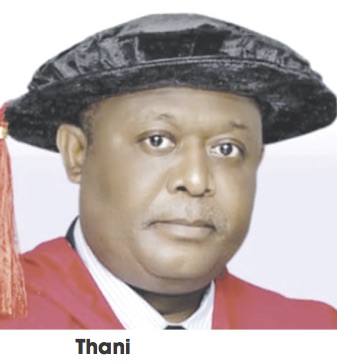
Rev. Jonathan Thani is Provost, College of Agriculture, Akwanga, Nasarawa State. He spoke with The Education Report recently. Excerpts:
What do you perceive as challenges in Nigeria’s educational system, particularly at the primary and secondary levels?
The primary school issue lies in the lack of qualified teachers, with approximately 99 per cent not meeting the necessary standards. This deficiency greatly impacts the foundational education of students, leading to a cycle of low academic achievement.
How pervasive is the issue of students resorting to paying for success in exams?
Unfortunately, it has become quite prevalent. Many students are inclined to pay for exam success rather than relying on their knowledge and abilities. This trend has given rise to the emergence of “miracle centres,” which exploit the desperation of students seeking easy routes to pass their exams.
Is there any discrepancy between budget allocations and actual implementation in public schools?
Indeed, while the government allocates funds for education in its budget, the execution often falls short. Many public schools suffer from a lack of proper infrastructure due to inadequate implementation of the allocated budget. This disparity hampers the quality of education these institutions can offer.
What crucial steps should be taken to address these pressing challenges?
Firstly, there’s an urgent need for a comprehensive overhaul in teacher training and qualification standards. Investing in professional development for educators is crucial. Additionally, stringent measures must be implemented to eradicate the prevalence of “miracle centres” and restore integrity to the examination process.
Lastly, government needs to ensure transparent and efficient execution of allocated funds to improve infrastructure in public schools.
Some stakeholders say reform is imperative to enhance Nigeria’s educational landscape. What is your view?
Absolutely, the foundation of a nation’s progress lies within its educational system, and it’s time we address these challenges for a brighter future.
Collaboration is key to addressing these challenges. Government needs to engage in active dialogue with educators, administrators, and experts to develop and implement effective policies that prioritise educational quality. Educational institutions should also be proactive in ensuring teacher quality and creating an environment conducive to learning.
Communities play a pivotal role by supporting schools, advocating for quality education, and actively participating in their children’s academic journeys. Creating awareness about the detrimental effects of shortcuts in education and fostering a culture that values learning over exam results is crucial.
How can technology be leveraged to improve the educational system, particularly in addressing these challenges?
Technology presents vast opportunities in education. It can enhance teaching methodologies, facilitate access to quality educational resources, and provide interactive learning experiences.
Utilising technology effectively can help bridge gaps in teacher capacity, offer personalized learning experiences and create a more engaging classroom environment.
What would you consider a successful transformation in education, and how can this vision be achieved?
A successful transformation would entail a system where qualified teachers are adequately supported, where integrity in examinations is restored, and where every child, regardless of their background, has access to quality education and opportunities for holistic development.
Achieving this requires a commitment from all stakeholders – government, educators, communities and even international partners – to collaborate, invest wisely, and prioritise education as a cornerstone of Nigeria’s progress.
What are the hurdles in effectively managing educational structures?
Challenges in management could range from ensuring proper utilisation of resources, maintaining infrastructure, implementing educational policies effectively, to providing continuous professional development for teachers and administrators.
Without efficient management practices, there’s a risk that the gains made could regress, hindering the sustained improvement of the educational system.
What is your advice to the citizens for an exemplary education system?
Citizens can actively engage through participation in community initiatives, advocating for quality education, supporting educational institutions and holding authorities accountable. Collective efforts are imperative for achieving enduring progress in education.