Follow Us on Google
…Says local refining to exceed 1m bpsd soon
From Adanna Nnamani, Abuja
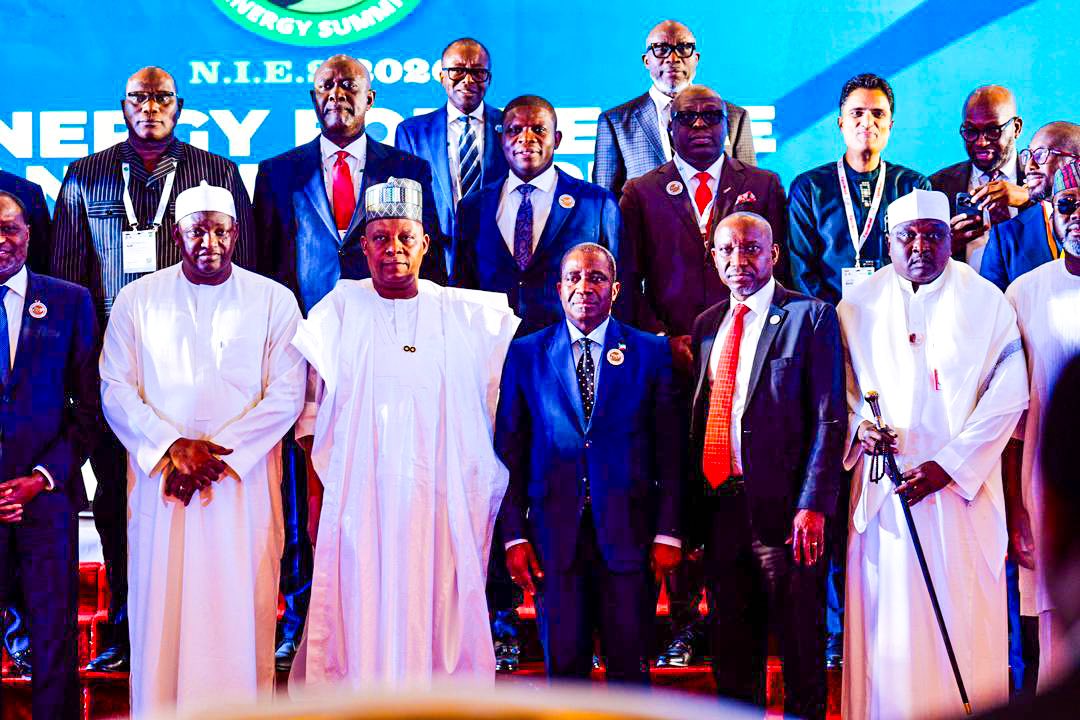
Chief Executive of the Nigerian Midstream and Downstream Petroleum Regulatory Authority (NMDPRA), Saidu Mohammed, has revealed that bold economic reforms by President Bola Tinubu’s administration saved the country over N6 trillion on petroleum product imports in just the first nine months of 2025.
Mohammed, who disclosed this while speaking at the Nigeria International Energy Summit (NIES) in Abuja on Wednesday, said the savings were the result of full downstream deregulation, harmonization of the forex market, and the trading of crude and petroleum products in Naira.
He added that these bold moves have created stability in the downstream petroleum market, encouraged investment, and ensured sufficient supply of petroleum products across the country.
The NMDPRA boss also revealed that the nation’s refining capacity is expected to surpass 1 million barrels per stream day (bpsd) in the medium term.
He said the surge in domestic refining capacity is being driven by a combination of new refinery investments, the rehabilitation of existing Nigerian National Petroleum Company Limited (NNPCL) refineries, and strategic private-sector participation.
According to him, the planned investments in other refineries, along with issued Licences to Establish (LTEs) for new facilities, will continue to expand Nigeria’s refining footprint, reducing dependence on imported products and stabilizing domestic supply.
He said: “For decades, our downstream value chain has been associated with negative sectoral performance indicators such as infrastructural deficit; weak market structures; sub-optimal supply chain efficiency; inadequate investment; poor regulatory compliance; and unacceptable operational safety and environmental indices.
“Today, I am pleased to affirm that this narrative is rapidly changing and that the sector is truly witnessing the early but irreversible signs of a renaissance type of transformation that is driven by bold reform; enabled by investment; and sustained by effective market and operational regulatory enablement.
Other News
“In the few years of the operationalization of the new legal framework of the Oil and Gas sector in Nigeria (PIA 2021) the Nigeria’s downstream sector has evolved into a fully liberalized market and is no longer defined by scarcity and supply uncertainty.
Supply stability has consistently ensured sufficiency of all Petroleum products. The pricing structure of the downstream sector is becoming more driven by the fundamentals of the market and generally attaining the stability level required for encouraging investment in this expansive sector of the economy.
“The supply chain landscape of the sector, which depended significantly on import of nearly all Petroleum Products for a long time is rapidly transforming with growing supply through the nation’s domestic refining capacity, expanding gas-based alternative fuels, improved logistics, and increased private-sector participation.
“At the heart of this transformation stands the Dangote Petroleum Refinery, the largest single-train refinery in the world with an installed capacity of 650,000 barrels per stream day (bpsd), which is currently contributing a significant portion and in some cases 100 percent of our domestic requirement of Petroleum Products. The optimal operationalization of the plant’s installed capacity and future upscaling of the plant is undoubtedly needed to fulfill the national aspirations of making Nigeria a regional and continental energy hub.
“The capacity for enhanced domestic supply of Petroleum product in Nigeria will continue to grow as the planned investments in our refinery sector matures. We are optimistic that the issued Licences to Establish (LTEs) refineries which are being progressed through various levels of completion, coupled with the rehabilitation of the NNPCL refineries will improve the overall installed refining capacity in Nigeria to well over 1 million bpsd in the medium term.
“The bold economic reforms of President Bola Tinubu, has created the renaissance that the downstream sector is enjoying and would continue to leverage upon for sustained sectoral growth in the future. The cumulative impact of the full deregulation of the downstream sector; the harmonization of the forex market; the incentivization and deepening the use of gas and the trading of crude and product in Naira has reduced the fiscal economic losses of importing Petroleum Product by over N6 trillion in the 1st nine months in 2025.
“We congratulate and celebrate Mr. President and our Ministers for these enduring leadership legacies in the downstream energy sector.”
Mohammed also highlighted the growth in the nation’s gas sector, which is helping industrial development, cleaner power, transport fuels, and manufacturing linkages that broaden the country’s energy and economic impact.
He urged government, investors, operators, financiers, and consumers to work together to sustain growth, attract more investment, and make Nigeria a leading energy hub in Africa.