Follow Us on Google
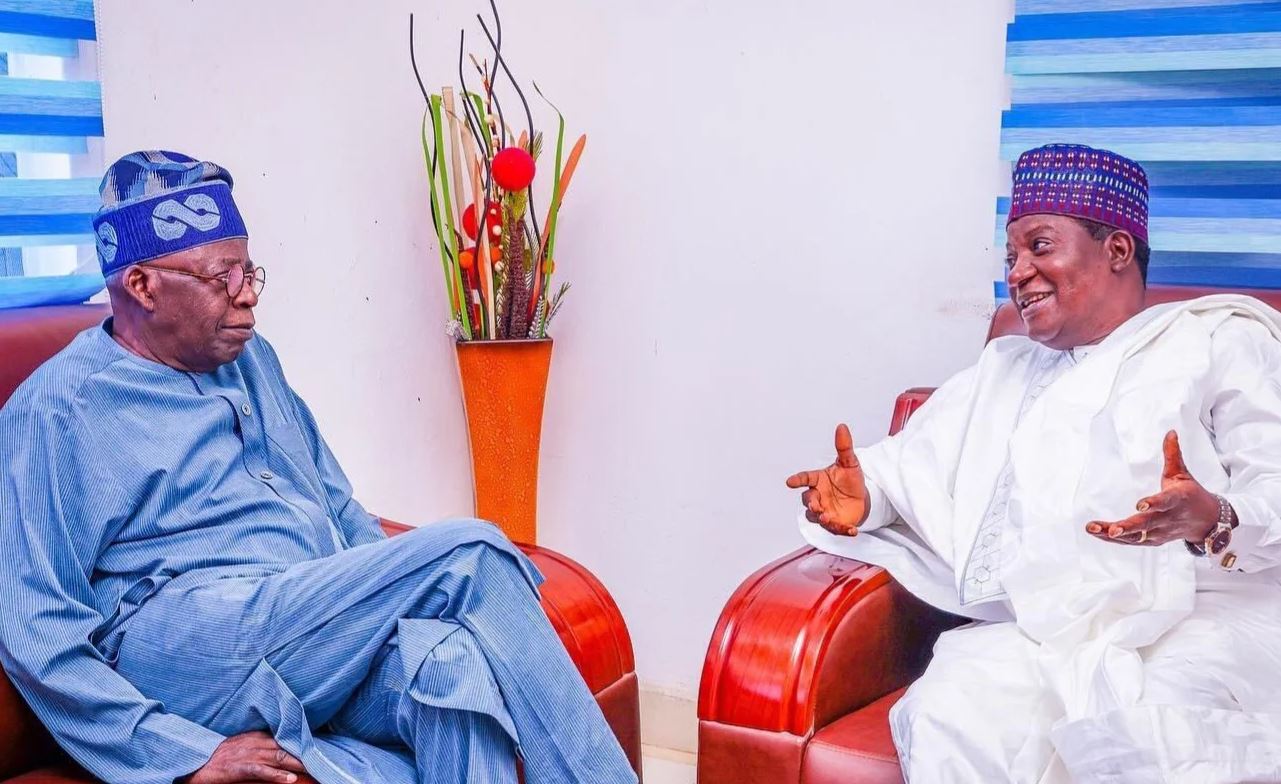
Former Plateau State Governor and former Speaker of the Plateau State House of Assembly, Simon Lalong, has called on Nigerians to return President Bola Tinubu in 2027, arguing that the President should be given the opportunity to complete the far-reaching economic reforms his administration has initiated.
Lalong said Tinubu had demonstrated the courage to take difficult decisions, particularly the removal of petrol subsidy, and urged Nigerians to judge the administration’s trajectory with an understanding that the full benefits of such reforms would take time to materialise.
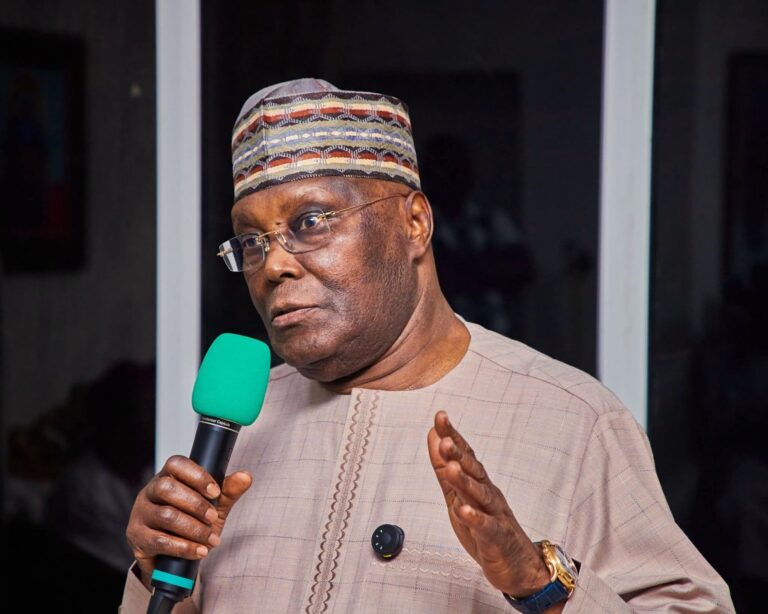
Speaking as Guest Speaker at a national forum of Former Presiding Officers of State Houses of Assembly in Nigeria, themed “Bold Leadership, Bold Reforms: From Subsidy to Renewed Hope,” Lalong said the country was at a critical point where continuity was necessary to consolidate the changes already set in motion.
He said the President had chosen the difficult path of reform rather than political convenience, stressing that leadership should be measured by the willingness to confront structural problems rather than avoid them.
Lalong said: “President Bola Ahmed Tinubu has exemplified those bold steps and come 2027, Nigerians will reward him to complete the great work.”
He argued that Tinubu’s decision to remove petrol subsidy was one of the most difficult and consequential economic decisions taken in recent years, noting that successive administrations had struggled to confront the issue despite its implications for the nation’s finances.
According to him, the subsidy regime had allowed Nigeria to continue consuming resources without adequately investing in productive capacity.
“For decades, Nigeria consumed what we did not produce. We succeeded in making our future children pay for cheap petrol,” he said.
Lalong added: “Everyone knew the truth but no leader had the courage to confront it.”
He said Tinubu’s announcement of subsidy removal on 29 May 2023 therefore represented a major break from the past, describing the decision as painful but necessary.
“It was not an easy decision. It was not a politically convenient decision. But sometimes, leadership is tested not by the decisions that are easy to make, but by the courage to make decisions that the moment demands,” he said.
The former governor said the significance of the reform went beyond the removal of a single subsidy, arguing that it had forced the country to confront the question of how to move public resources from consumption to productive investment.
“The real significance of subsidy removal therefore is not simply that one subsidy disappeared. It is that Nigeria has been compelled to confront a fundamental question: how do we move from consuming public resources to investing these resources in productive capacity for our nation?” he asked.
Lalong maintained that the reforms required time and collective responsibility to succeed, urging political leaders to help Nigerians understand the rationale behind the difficult measures.
“Our duty today goes beyond assessment. Our duty is to be ambassadors of this difficult but necessary reform,” he said.
“President Tinubu has done his part by taking the bold decision. Our part is to help our people understand that the pains of today are the gains of tomorrow.”
Other News
He added: “We must tell Nigerians that bold leadership is not about being popular today, it is about being right for society.”
According to Lalong, the next phase of the reform agenda should focus on converting the resources freed by the changes into investments that improve the productive capacity of the economy.
“We must invest in agriculture, manufacturing, infrastructure, education, energy, and technology,” he said.
He said Nigeria must create an environment where citizens could produce more, businesses could expand and young people could find meaningful opportunities, describing this as the pathway from subsidy to Renewed Hope.
Lalong also stressed the importance of the legislature in sustaining the reform process, saying lawmakers must continue to scrutinise public expenditure, exercise effective oversight and represent the concerns of citizens.
He called for greater fiscal responsibility, stronger democratic institutions, effective oversight and continued efforts to strengthen the autonomy and capacity of national institutions.
He said history would remember the period as one in which Nigerian leaders were confronted with difficult choices, adding that Tinubu had chosen reform as the response to the country’s structural challenges.
“This is one of those periods when President Bola Ahmed Tinubu has chosen the path of reform. The road has required difficult decisions, but the responsibility of leadership is not to avoid every difficulty. It is to confront the structural challenges that have held the country back and begin the work of building something more sustainable,” he said.
Lalong said the country’s journey from subsidy to Renewed Hope should ultimately move Nigeria from dependency to productivity, consumption to investment and short-term fixes to long-term economic transformation.
He said the process required courage from the executive, responsibility from the legislature, discipline across government and patience from Nigerians.
“The journey from subsidy to Renewed Hope is a journey from dependency to productivity, from consumption to investment, and from short-term fix to long-term economic transformation,” he said.
“It is a journey that requires courage from the executive, responsibility from the legislatures, discipline across government and patience from the people.”
He added: “President Bola Ahmed Tinubu has demonstrated the courage to begin this difficult journey. Our responsibility is to ensure that reforms succeed, that their gains are consolidated, and that Nigerians emerge stronger, more productive, more prosperous.”
Lalong concluded with a call for continued commitment to the reform agenda, saying: “The time for bold leadership is now. The time for bold reform is now. And the time to build a stronger, more productive and more prosperous Nigeria is now.”