Follow Us on Google
From Juliana Taiwo-Obalonye, Abuja
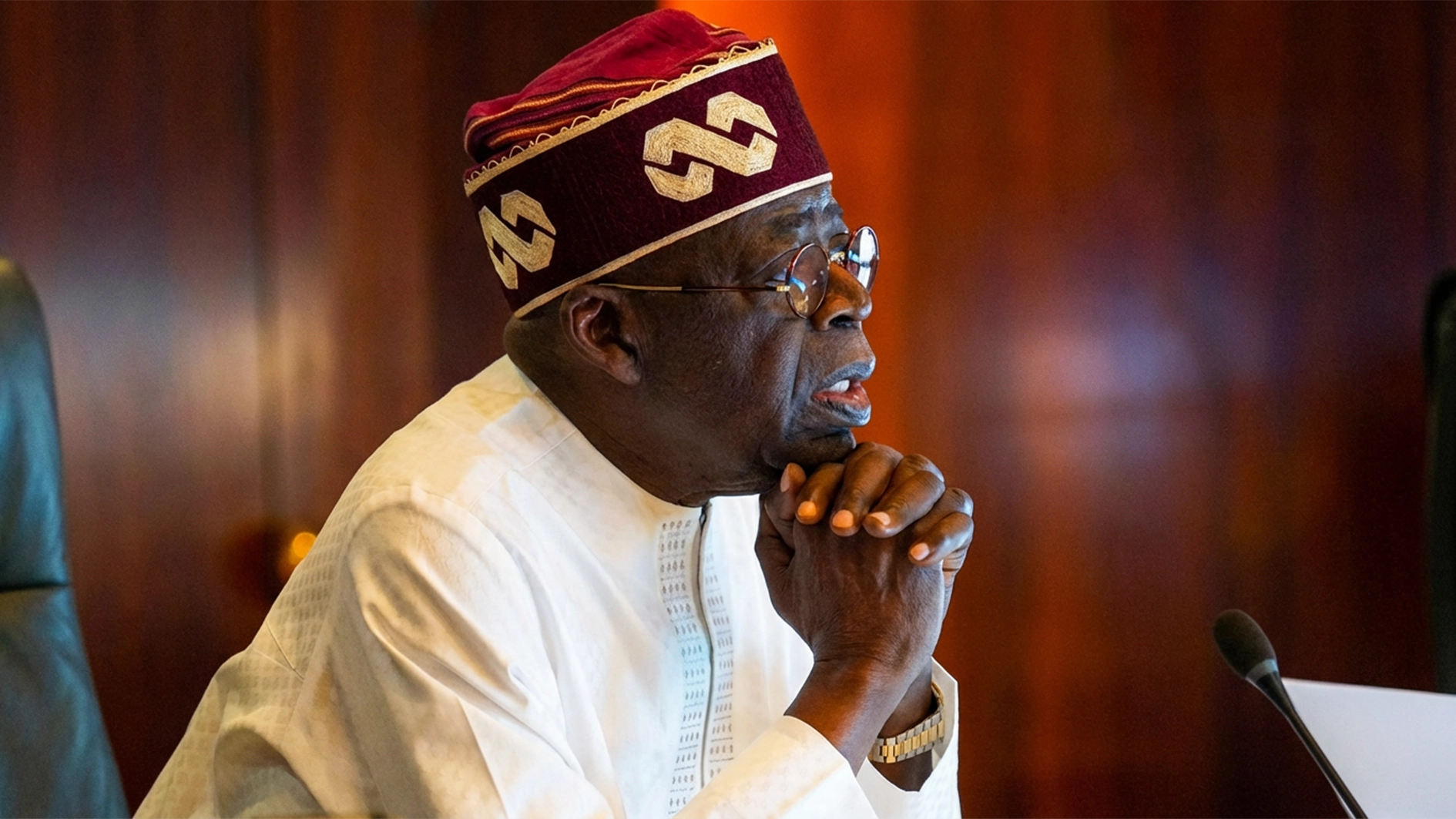
President Bola Tinubu has moved to stem the relocation of Nigerian technology companies, intellectual property and jobs abroad, directing the full implementation of the country’s Digital Free Zones initiative within 180 days.
At the heart of the initiative is the $500 million Itana Innovation project in Lagos, designed to provide an environment where Nigerian and other African technology and service companies can establish, raise capital and scale globally without moving their headquarters or intellectual property overseas.
The President said the initiative would enable Nigeria to retain more of the economic value generated by its growing technology talent, including jobs, investment, intellectual property and demand for professional services.
Tinubu, in a statement by his Special Adviser on Information and Strategy, Bayo Onanuga, on Thursday, said Nigerian entrepreneurs should no longer have to establish their businesses abroad merely to access international capital and markets.
“For too long, some of our most promising young entrepreneurs have felt compelled to establish their companies and intellectual property abroad to access global capital and markets. I do not accept that this must remain the case,” Tinubu said.
“I want the next generation of African technology, finance and service companies to be built, headquartered and scaled to the world from Nigerian soil.”
To drive the initiative, the President directed the Minister of Industry, Trade and Investment, Dr Jumoke Oduwole, who serves as Vice-Chairman and Implementation Coordinator of the Presidential Steering Committee on Digital Free Zones, to work with the Itana Innovation project and the committee to develop a roadmap for full implementation within 180 days.
Tinubu established and chairs the Presidential Steering Committee as part of efforts to overhaul Nigeria’s more than three-decade-old free zone framework and adapt it to the demands of the digital economy.
Itana, described by the Presidency as Nigeria’s first Digital Free Zone, has already been licensed by the Nigeria Export Processing Zones Authority (NEPZA).
The initiative is expected to provide a platform for global and pan-African digital and service businesses to establish and operate from Nigeria while serving markets across the world.
Other News
The $500 million Itana Innovation project at Alaro City, Lagos, backed by the Africa Finance Corporation, is expected to combine an enabling policy environment with an innovation campus, access to capital and other ecosystem services for African startups.
According to the Presidency, the project is intended to enable African startups to build at scale while retaining more of the value they create on the continent.
Tinubu said the administration was targeting a digital economy in which Nigerians could work for global businesses without having to leave the country.
“I want a young Nigerian in Kano, Enugu, Warri, Minna, Maiduguri or Ibadan to be able to work for a global company without leaving home,” he said.
The President also wants Nigerian founders to be able to raise capital internationally while retaining their companies and intellectual property in the country.
“When these businesses grow here, they employ Nigerians, use Nigerian professional services and retain more of the value they create in our economy,” he said.
The Presidential Steering Committee is expected to address regulatory, taxation, banking, immigration, arbitration and government digitisation issues that could affect the ease of operating digital businesses within the free zones.
Tinubu said the initiative would also position Nigeria to take advantage of the expansion of Africa’s digital economy and digitally enabled trade under the African Continental Free Trade Area.
“Nigeria has the talent, enterprise and ambition to build companies that can compete anywhere in the world. Our responsibility as a government is to ensure that Nigerians do not have to leave Nigeria or rely on other jurisdictions to realise that potential,” he said.
The President said Nigeria had the talent and market to play a greater role in Africa’s technology and digital economy value chain.
“This is what our Renewed Hope commitment to a digital economy looks like in practice, and this is how we transform reform into opportunities,” he said.