Follow Us on Google

From Stanley Uzoaru, Owerri
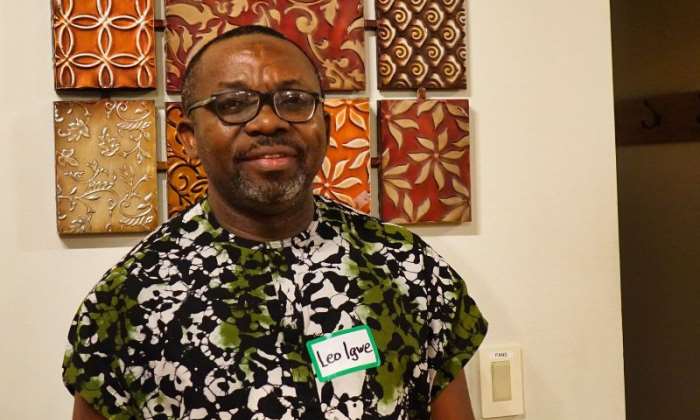
The Director of the Critical Thinking Social Empowerment Foundation (CTSEF), Leo Igwe, has called for philosophy to be made a critical element in child pedagogy in Africa, as part of activities marking World Philosophy Day.
Igwe made the call in a statement to mark the day, which UNESCO celebrated to promote philosophical thinking and underscore the value of critical reflection across all human endeavours.
He noted that UNESCO, on its X page, highlighted “the enduring value of philosophy in shaping human thought, fostering dialogue and encouraging critical thinking across cultures”, and that philosophy “invites us to question, reflect and engage with the world around us”.
Igwe, however, questioned who the ‘us’ refers to, and whether school pupils are invited to the philosophical fiesta.
“But who is this ‘us’? Does the ‘us’ include children? Are school pupils invited to the philosophical fiesta?” he asked.
He said philosophy is necessary for an intellectual presence and has the potential of transforming the world, agreeing with UNESCO’s position that philosophy is an inspiring discipline as well as an everyday practice that can transform societies.
According to him, by enabling the discovery of the diversity of intellectual currents in the world, philosophy stimulates intercultural dialogue, and by awakening minds to thinking and the reasoned confrontation of opinions, it helps build a more tolerant and respectful society.
Other News
Igwe observed that in discussing the importance of philosophy, emphasis is often placed on adults and the aged, with focus on what grey-haired people think, while little attention is paid to what children think.
He said not much is said about doing philosophy for or with children, especially in Africa, where children are brought up not to question or challenge what their parents, elders or teachers say.
“The impression is that children are not old enough to think. Rote learning, memorization and blind obedience are the mainstay of everyday life. In fact, the misconception that philosophy corrupts children and youths persists,” he said.
Igwe maintained that philosophy’s potential cannot be realised without children, and that for philosophy to endure, flourish and be rooted, children must come on board and embrace inquiry-based learning.
He said children must cultivate a philosophical temper and orientation, and from a very early age, should be invited to question, reflect, and engage the world.
“Children must learn to think for and by themselves and think with others. They should not be shunned, shamed, or sanctioned for asking questions or for exercising their curiosity and inquisitiveness. Children should learn to express their minds and cultivate dialogue and reflective inquiry. Children should be encouraged to appreciate diversity of thoughts, opinions, and ideas,” he said.
He added that philosophical thinking is important for intellectual resilience and thoughtfulness, and will help free children from extremism and radical ideologies.
“Philosophical inquiry will liberate children from the shackles of adult dogmas, tyrannies and superstitions. UNESCO should highlight philosophy for children as part of World Philosophy Day celebrations,” Igwe said.