Follow Us on Google

For some time, some of us have been concerned that empathy, compassion and humaneness have taken flight from public and even private sector services to our people. We carry on and do things not minding the outcomes and their effects on those we claim we are serving. It is only in our country and perhaps a few countries which western countries teleguide where you will hear their leaders say we have to suffer first perhaps die in numbers before we can see development.
We take in the model, introduce all manner of obnoxious programmes and policies and then tomorrow comes. Rather than see improvements, things move from bad to worse and then worst. The refrain continues “wait till” another 10 years. While the waiting and struggles continue we experience more wickedness in forms of actions, policies and programmes. The attitudinal disposition is something or phenomenon no one can comprehend let alone describing.
We begin from the leadership class. A citizen who was prancing the street for years, never afraid of anyone, greeting, currying for affection, who finds himself or herself in office suddenly turns a into demi-god overnight. His first act after ascending power or authority would be to build a wall between him/herself and those he used to mingle and share jokes with as well as eat together. Close allies and indeed everyone can’t see him easily again, a fence of protocol is quickly erected. The next would be that his personal preferences now substitute for the will, dreams and aspirations of the people. This is the point when foundation for different wrongs against the people are laid.
Contact with constituents are severed, yet leaders who yesterday couldn’t afford three meals a day but now in power are prescribing high levels of taxation and certification on property and other basic needs, which they themselves would have been unable to pay when they were outside the corridors of power and authority.
If they weren’t taking this path of infamy they would be into other acts of administrative brazenness. Some take over citizens’ lands and property without adequate notice and compensation. Some sleep and wake up, focus on a market or settlement and demolish the buildings guarded by state security apparatchik. It doesn’t matter if the citizens have alternatives or not, whereas where the government was alive and properly attuned to its core responsibilities, the welfare of the citizens should be the primary concern of the government.
Why would the cost of living be going very high and in particular beyond the reach of citizens and the government would pretend nothing extraordinarily terrible is happening? Why would house rents be jumping far above what an average citizen can afford, no means for mass transportation at very affordable rates, astronomical cost for electricity, not make the government give her best shots to have the situation reversed? Many of us in the critical section have been concerned about the absence of compassion in the management and execution of public service in the country and what we could do about the discovery.
Other News
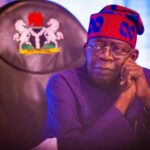
It has been for us a very serious issue because we know when compassion is removed the citizens’ state of being is destroyed and the man in them takes plenty of draining, producing a distortion antithetical to good process and development that ordinarily should follow. Doing away with compassion takes away confidence and leaves citizens with the feeling they are less than human. We were on this when our President, Senator Bola Tinubu a few weeks ago in Rwanda told a gathering,: “About my country when I came into office I decided to take action without minding the pain it would cause the people.”
The outburst touched the nerve of the issue in our minds. It confirmed our fears that compassion in management of public affairs has taken flight from our nation. The position wasn’t misdirected it was out of place with modern management technique. Leaders don’t just make policies and throw them at the people and country. They look into policy and sift through, rigorously looking at all aspects and what it holds out for the citizens’ welfare. They are concerned about how it will impact the people.
Where the effect would be negative the leaders work out how to cushion the effects. You want to demolish settlements you begin with looking out for alternative locations and building them up. You want to retrench citizens from jobs the government ensures appropriate entitlements are paid and in some instances new training is given. Some countries give children upkeep allowance. There are various kinds of mass transit to ferry people in mass at very affordable cost. High insurance makes treatment of all kinds of health challenges possible. Jobless citizens are paid until they get jobs. We leave it there. What we can do in our case and circumstance has been an issue that has kept us agitated and very disturbed. What and what can we do to bring compassion and humaneness to our management of the Nigerian entity?
Now the Odinkalu angle. Many of us know that in developed worlds citizens can sue leaders for introducing policies and actions that hurt. They can get huge compensatory rewards. At the lecture session Odinkalu surprised many when in his paper presentation he dealt extensively on compassion and humanism in government. He said: “Be frank, those who know that the constitution expressly provides for humaneness in public affairs, please raise your hands.” To the amazement of all present no one raised his hand. He smiled and continued. Below is an excerpt of the lessons he taught.
“That our constitution places primary obligation on government to guarantee and secure the welfare of its people makes sense, however, only in the context of even more fundamental duties that the same Constitution places on government. Accordingly, section 17(2)(b) of the same Constitution requires that “the sanctity of the human person shall be recognized, and human dignity shall be maintained and enhanced.” Under the Nigerian constitution, human dignity is more than just an anchor of coexistence. Its enhancement is a constitutional metric of the performance of the government. In other words, the government exists to enhance the dignity of its people, not to diminish it. This is why section 34(1) of the Constitution makes dignity a human right and guarantees that “every individual is entitled to respect for the dignity of his person.”
Third, the constitution does not stop here. It also provides a method for how the government should pursue the provision and enhancement of dignity. In the shortest provision in the Nigerian constitution, section 17(2)(c) provides in just five simple words: “governmental actions shall be humane.” This is arguably the most important provision in the Nigerian constitution and the one provision that every politician in the country should be made to read and inhale before they embark on seeking for office.”