Follow Us on Google
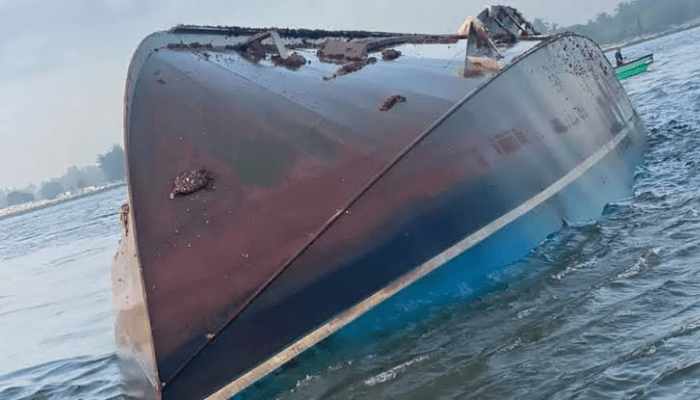
The boat disaster at Gorau village in Goronyo Local Government Area of Sokoto State claimed about 47 lives. The incident is one of the nation’s gruesome waterway tragedies. The scale of the loss is concerning but the familiarity of the circumstances is even more disturbing. The rickety boat was reportedly overloaded with passengers before the unfortunate incident.
The Gorau accident occurred on August 20 with the National Inland Waterways Authority (NIWA) initially putting the death toll at 47 and other reports subsequently recording 57. Later reports put the death toll at 65 deaths, with 11 survivors. That discrepancy is itself a reminder of the need for better systems for recording passengers and accounting for victims. But whether the final toll is 47, 57 or 65, the central fact remains: far too many Nigerians have died in circumstances that should be preventable.
President Bola Tinubu has expressed condolences to the families and people of Sokoto. He directed NIWA and the National Emergency Management Agency (NEMA) to work with the state government to prevent a recurrence and enforce waterway safety standards.
The response is appropriate, but Nigerians have heard such assurances too many times.The scale of previous disasters demonstrates why the crisis requires more than condolences and assurances. In June 2023, a boat carrying people returning from a wedding ceremony in Niger State capsized on the Niger River. The figures reported at the time varied: the Kwara State Police Command put the death toll at 103, some other accounts put it at 110. Whatever the exact figure, more than 100 people died in the incident.
In May 2021, 98 people were confirmed dead after an overloaded passenger boat carrying more than 160 people between Niger and Kebbi states broke apart and sank on the Niger River. In October 2022, another disaster in Ogbaru, Anambra State, claimed 76 lives. The vessel capsized during severe flooding. There was the Gummi tragedy in Zamfara in September 2024, in which at least 64 people were feared dead after a wooden boat carrying about 70 farmers capsized. Only six survivors were initially rescued.
There were reports that overcrowding was a major problem because hundreds of farmers depended on limited boats to cross the river. These are not isolated accidents. They expose a systemic failure that should be corrected. Overloading is one recurring problem. So is the use of poorly maintained or unsuitable boats. Life jackets are frequently absent or unused. Night sailing increases danger, while inadequate training and disregard for navigation and passenger-safety rules compound the risks.
NIWA itself has reiterated that boat operations are restricted from 6.30am to 6pm and has urged operators to observe approved weight limits and passengers to wear life jackets. The rules exist but are hardly enforced by relevant agencies.
We urge boat operators and passengers to observe safety rules and wear life jackets. The boats should not be overloaded and they should not sail at night. Government can replace rickety boats with ferries. Operators flouting safety rules must be sanctioned by NIWA officials and other relevant authorities. Let government provide enough life jackets to ensure safety of passengers and boat operators.
There must be consequences for reckless and unprofessional conduct. Investigations must identify not merely what happened but who permitted it to happen. Where criminal negligence is established, prosecutions should follow. Licences of operators who repeatedly breach safety rules should be withdrawn. Officials who knowingly overlook violations should also face disciplinary or legal consequences.
NIWA and other relevant regulatory authorities must move from reactive enforcement to continuous monitoring. Passenger manifests should be compulsory on commercial boats, making it possible to know how many people have boarded before departure. Boats should undergo regular inspection and certification. Operators should receive proper training and demonstrate competence before being licensed.
Above all, every passenger must have access to, and be required to wear, an appropriate life jacket. Overloading and over-speeding should attract immediate sanctions. Night sailing restrictions must be enforced, not merely announced after an accident.
Government must also recognise that many communities depend on waterways transportation system because roads are inadequate or impassable during floods. This mode of transport should be made safe and reliable. Where passenger traffic is substantial, government should consider properly designed ferries and modern boats. Wooden and rickety vessels should not be permitted to undertake deep-river passenger transportation.
The loss of so many lives in the Sokoto boat mishap is regrettable. We commiserate with those who lost their loved ones in the tragedy and urge the government to compensate them. The dead of Gorau deserve more than prayers. They deserve justice. And the best memorial to them would be a waterway system in which safety rules are strictly enforced.