Follow Us on Google
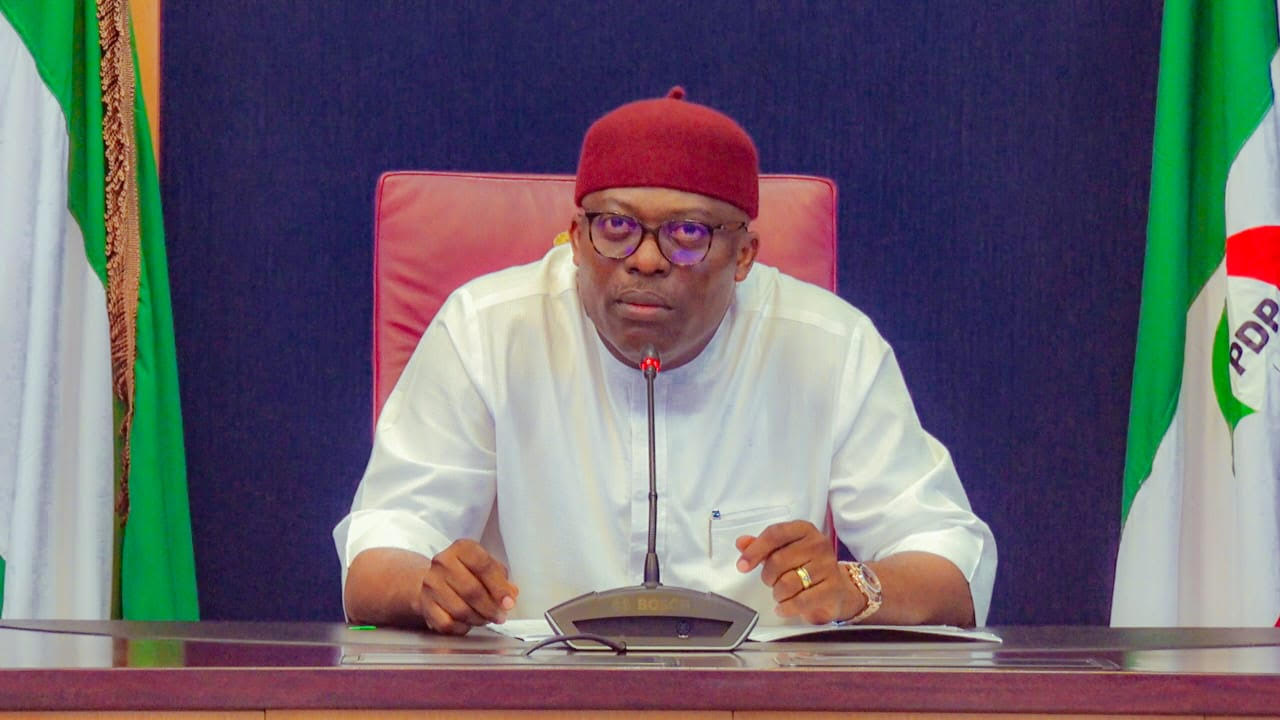
Following the recent lifting of the six-month emergency rule by President Bola Tinubu, Siminalayi Fubara returned to his seat as governor of Rivers State last week. The state deputy governor, Prof. Ngozi Odu, and members of the State House of Assembly have also resumed duties. The President said he lifted the emergency rule because peace had returned to the state. According to him, there is a groundswell of a new spirit of understanding, a robust readiness, and potent enthusiasm on the part of all stakeholders in Rivers State for an immediate return to democratic governance.
The President had declared the state of emergency on March 18, 2025. According to him, it was to save the state from total paralysis of governance. He noted his futile intervention to bring peace to the state and blamed Fubara for the crisis. The governor, he regretted, did not disown some militants who threatened to deal with his perceived enemies and that he and the legislators were not able to work together. Political crisis had engulfed Rivers State soon after Fubara assumed office in 2023. The crisis was essentially between the governor and his predecessor, who is also the Federal Capital Territory Minister, Nyesom Wike. Members of the state House of Assembly were dragged into the fray, with 27 of them supporting Wike and four others supporting Fubara.
The 27 lawmakers loyal to Wike had attempted to impeach the governor in October 2023. As this was playing out, fire and explosion rocked the state Assembly complex. Fubara sent bulldozers to demolish the complex in December 2023. At some point, the factional Speaker of the Assembly loyal to Fubara, Edison Ehie, declared the seats of the 27 lawmakers vacant following their purported defection from the Peoples Democratic Party (PDP) to the All Progressives Congress (APC). The 27 lawmakers led by Martin Amaewhule went to court. The Supreme Court, last February, declared that they remained members of the State House of Assembly. The apex court also nullified the local government election held in the state last year and ordered that the monthly allocation to the state be withheld.
To the chagrin of many observers, Tinubu appointed Vice Admiral Ibok-Ete Ibas (retd) as Sole Administrator. He based his action on section 305 of the 1999 Constitution (as amended). Soon after he assumed office, Ibas removed all political appointees and suspended heads of all Ministries, Departments and Agencies of government in the state. He also approved the reconstitution of some boards of agencies, commissions, and parastatals. The new Chairman and members of the Rivers State Independent Electoral Commission which he appointed conducted another local government election on August 30. The APC won 20 seats while the PDP won three.
This turn of events raised suspicions and condemnation in Rivers and elsewhere. Some individuals and groups faulted the President’s action, saying it was unconstitutional for him to remove an elected governor, his deputy and the state lawmakers under emergency rule. The court case instituted by the 11 governors elected on the platform of the PDP against the appointment of Ibas was still pending when the emergency rule expired on September 18, 2025.
So far, there have been calls by some stakeholders for a probe of the administration of Ibas, especially how he spent the N254.37 billion that the state received between March and August from the Federation Accounts Allocation Committee (FAAC). Already, the Rivers State House of Assembly led by the Speaker, Martin Amaewhule, plans to probe this expenditure. The suspicion is that there was no transparency in the spending of the huge FAAC allocations. But the former Sole Administrator said the state lawmakers lacked the power to investigate him and that he was only answerable to the President who appointed him.
We think that this altercation is needless. The most important thing is that the emergency rule has been lifted and democratic governance fully restored. All stakeholders should endeavour to sustain this new-found peace. All the participants in the sordid political drama in the state must have learnt their lessons. The governor, the legislature and others should work together to move Rivers State forward. They should hit the ground running as there’s even no time to waste. They should allow peace to reign. What Rivers people need now is good governance, development, and unity of purpose.
It is good that the governor thinks along this line. In a statewide broadcast after his resumption, he said no sacrifice was too great to secure peace, stability, and progress of Rivers State. He added that all the combatants, including Wike, the state lawmakers and himself, had accepted to bury the hatchet and embrace peace and reconciliation in the best interest of Rivers State. There is no time for grandstanding anymore. Politicians should spare the state of avoidable crisis. They should put the past behind them and put the state first before any other consideration.