Follow Us on Google

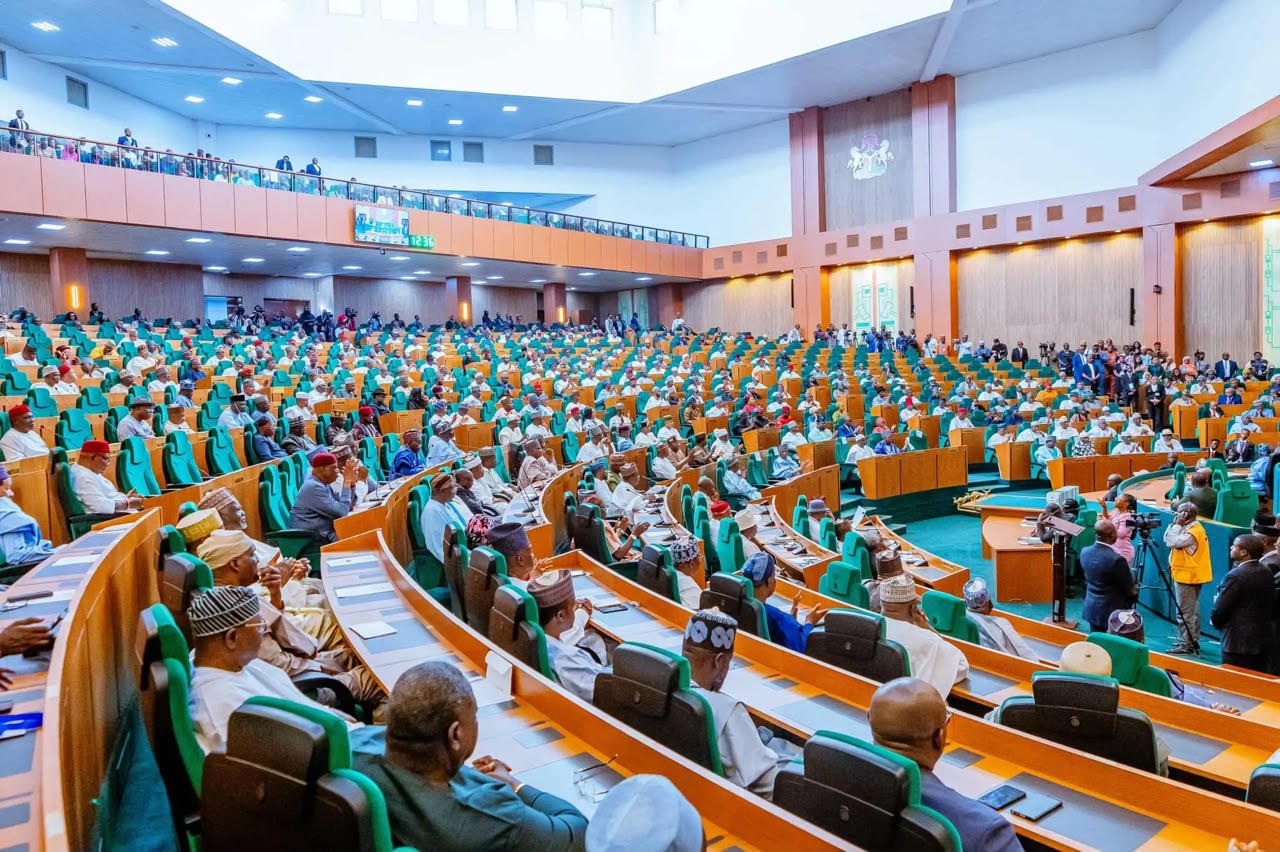
The Association of Licensed Telecommunications Operators of Nigeria (ALTON) and major telecom operators, have dragged the House of Representatives, the Speaker and the Inspector General of Police before a Federal High Court in Abuja, over a legislative investigation into quality of network service.
They want the court to restrain the House Committee on Communications from taking further steps against them in connection with the probe, including threats of arrest.
In an Originating Summons filed before the Court, they are challenging the constitutional basis of the House’s investigation and the summons issued to the chief executives of the telecommunications companies recently.
They argued that the National Assembly’s investigative powers under Section 88 of the Constitution does not include usurping the regulatory responsibilities of the Nigerian Communications Commission (NCC).
They stressed that the NCC is the statutory regulator responsible for overseeing telecommunications service quality and related industry standards and should be allowed to do their job.
The legal suit followed a disagreement at a recent hearing of the House Committee on Communications, where ALTON reportedly sought to represent the collective interests of telecommunications operators.
According to accounts of the proceedings, the committee declined to recognise the association’s representation and maintained that the summoned companies should comply with its directives.
The disagreement reportedly intensified after ALTON representatives referred to the ongoing legal questions surrounding the scope of the National Assembly’s oversight powers.
The operators maintain that addressing network service challenges required consideration of the broader operational difficulties facing the telecommunications industry, including electricity supply and infrastructure-related constraints.
They argued that compelling individual chief executives to appear before the committee, while the regulatory responsibilities of the NCC remain in place, raises constitutional and jurisdictional questions.
They are asking the court to determine whether the House’s actions fall within its constitutional investigative powers and whether the committee could exercise the functions that are clearly within the NCC’s regulatory mandate.
They are also seeking perpetual injunctions against the defendants in relation to the disputed summons and any proposed enforcement measures.
The court’s determination is expected to clarify the boundaries between legislative oversight and the statutory regulatory responsibilities of the NCC.
The claims and arguments presented in the suit remain the positions of the plaintiffs and have not been established as findings of the court.