Follow Us on Google
By Agatha Emeadi
Telecommunications infrastructure is powering a new generation of Nigerian businesses that operate almost entirely online, with some entrepreneurs generating between N10 million and N50 million in monthly revenue without maintaining conventional physical offices, financial analyst Tosin Olaseinde has said.
Olaseinde, who co-founded Money Africa and the Ladda savings and investment app, made the observation during an X Space hosted by financial planner Kalu Aja on Sunday.
She said the expansion of mobile connectivity and affordable access to data had fundamentally changed the way businesses could be established and operated in Nigeria, allowing entrepreneurs to reach customers without the traditional costs associated with offices and physical outlets.
According to her, she regularly comes across businesses generating significant revenues through social media platforms, with mobile data serving as the critical infrastructure connecting them to their customers.
“I see people making crazy revenue. I’m hearing companies doing as much as N10 million per month, N50 million per month. They do not have a physical office. All they do is sit on social media, leveraging data to be connected and run businesses,” she said.
Olaseinde again said the experience of Ladda, the digital savings and investment platform she co-founded, illustrates the relationship between telecommunications infrastructure and digital entrepreneurship.
She said the platform has grown to more than 75,000 users, who rely on internet connectivity to download and use the application.
“If they’re not connected, it’s not possible,” she said. “We have a business with over 75,000 users because people can actually download our app using data in order to save and invest.”
The analyst identified fintech, e-commerce, digital banking, remote work and online education among the sectors whose growth is increasingly tied to reliable telecommunications infrastructure.
She noted that financial technology companies depend on connectivity to process transactions, while banks have increasingly shifted customer services to digital platforms.
Similarly, small and medium-sized businesses can market and sell products through social media without necessarily operating conventional shops.
The expansion of remote work has also enabled Nigerian professionals to provide services to clients outside the country.
Olaseinde cited the example of workers based in Lagos who are able to serve customers and companies in cities such as Nairobi, New York and London through internet connectivity.
She also pointed to online education as another area where telecommunications infrastructure has widened the reach of Nigerian professionals.
According to her, the COVID-19 pandemic demonstrated the viability of online learning, while the model has continued to expand beyond the emergency circumstances that initially accelerated its adoption.
“You’re seeing lots of online tutoring. Somebody sitting in Lagos tutoring children in Kaduna, children in Nairobi, just all over,” she said.
The discussion comes against the backdrop of the growing contribution of telecommunications to Nigeria’s economy.
Data referenced during the discussion showed that the telecommunications sector accounted for 9.19 per cent of Nigeria’s gross domestic product in the first quarter of 2026.
Olaseinde described the contribution as approaching the 10 per cent threshold, underscoring the increasing importance of telecommunications to economic activity beyond the traditional telecommunications industry.
Aja, who hosted the discussion, also highlighted the scale of investment required to maintain the infrastructure supporting the digital economy.
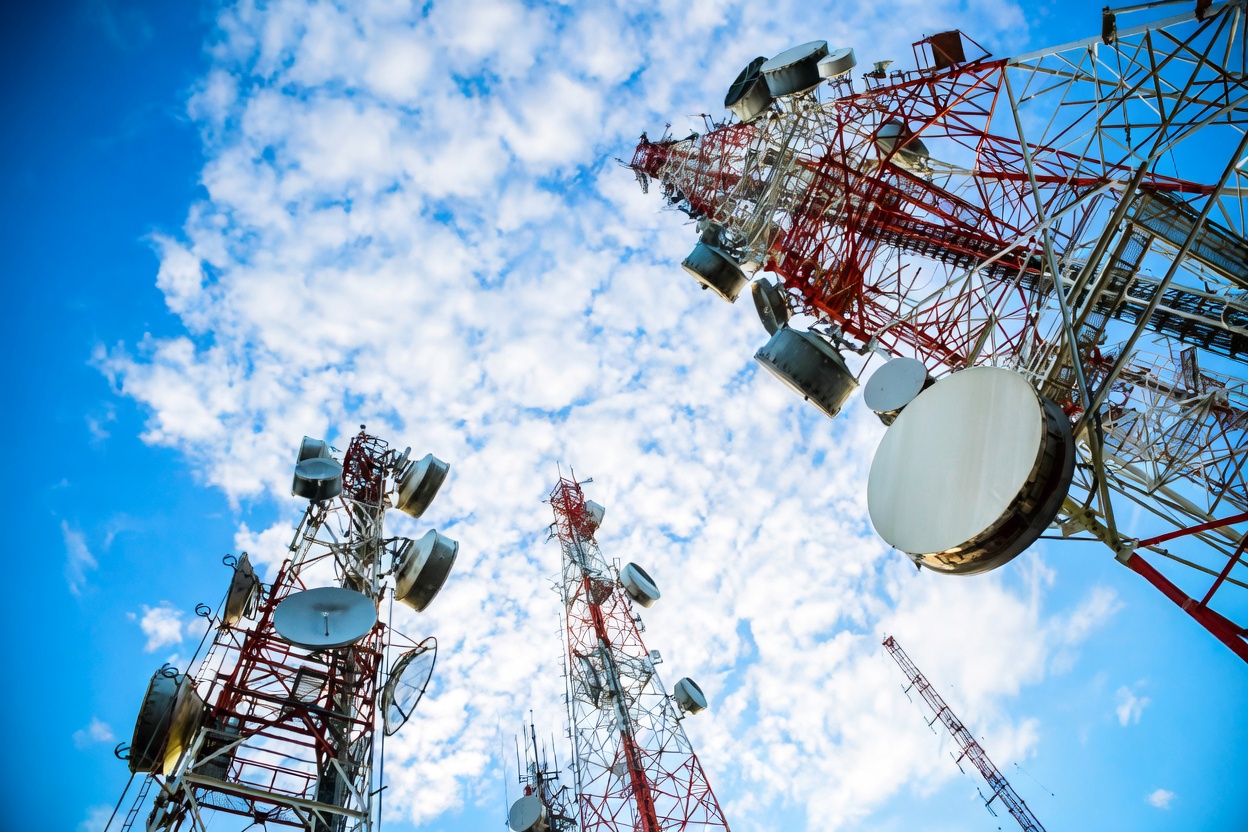
He put MTN’s underlying infrastructure investment at about N1.62 trillion, covering areas including fibre-optic networks, telecommunications towers, spectrum licences, power infrastructure and distribution networks.
Aja argued that the economic consequences of such infrastructure extend well beyond the services directly purchased by consumers.
He said large corporations contribute to employment, tax revenues and shareholder returns while supporting economic activities across their respective value chains.
“What would happen if there was no corporate Nigeria? First, the jobs would go. The tax revenues would go. The dividends would go. It’s a massive hole nobody can fill,” he said.
Olaseinde also argued that the influence of major corporations on the Nigerian economy goes beyond infrastructure and direct employment.
According to her, large companies can influence the standards adopted by smaller businesses through the way they interact with customers and conduct their operations.
She cited customer service, digital communication and professional standards as examples of practices that entrepreneurs may seek to replicate after interacting with established companies.
“It also raises the level of competence and service delivery in Nigeria,” she said, citing the customer experience offered by companies such as GTCO.
She argued that exposure to organised corporate systems could encourage entrepreneurs to demand similar standards from their own businesses as they grow.
Beyond operational standards, Olaseinde said the growth of major Nigerian companies could also influence entrepreneurs’ perception of what is achievable.
“These companies all started from very small backgrounds. Look at where they are now. So what these companies are doing is setting precedents. ‘Oh, so X is possible,’” she said.
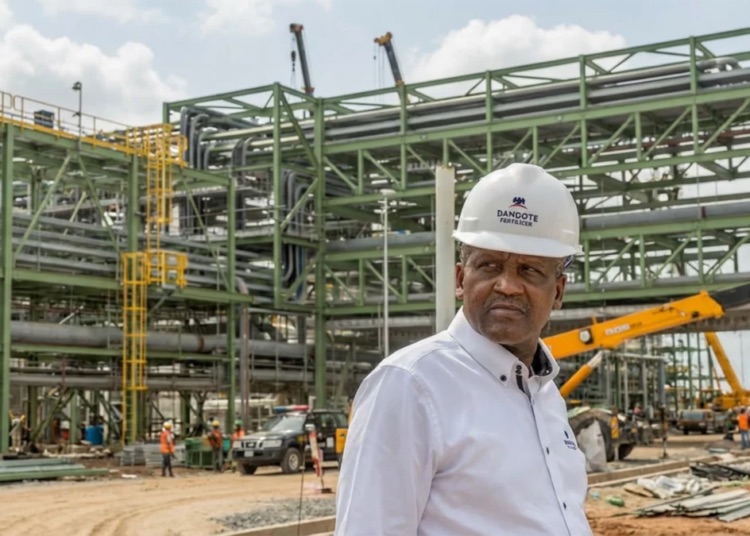
The discussion was part of a broader examination of the contribution of corporate Nigeria to economic development, with MTN, Dangote Cement and GTCO used as case studies across telecommunications, manufacturing and financial services.
The conversation highlighted the changing nature of economic infrastructure in Nigeria, where physical assets such as offices, shops and branches are increasingly complemented — and in some cases replaced — by digital connectivity.
For millions of entrepreneurs, the mobile phone and internet connection have become gateways to customers, financial services, education and international markets, making telecommunications infrastructure an increasingly important component of Nigeria’s emerging digital economy.