Follow Us on Google

•Police, Rivers Govt sue for calm, promise probe
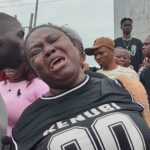
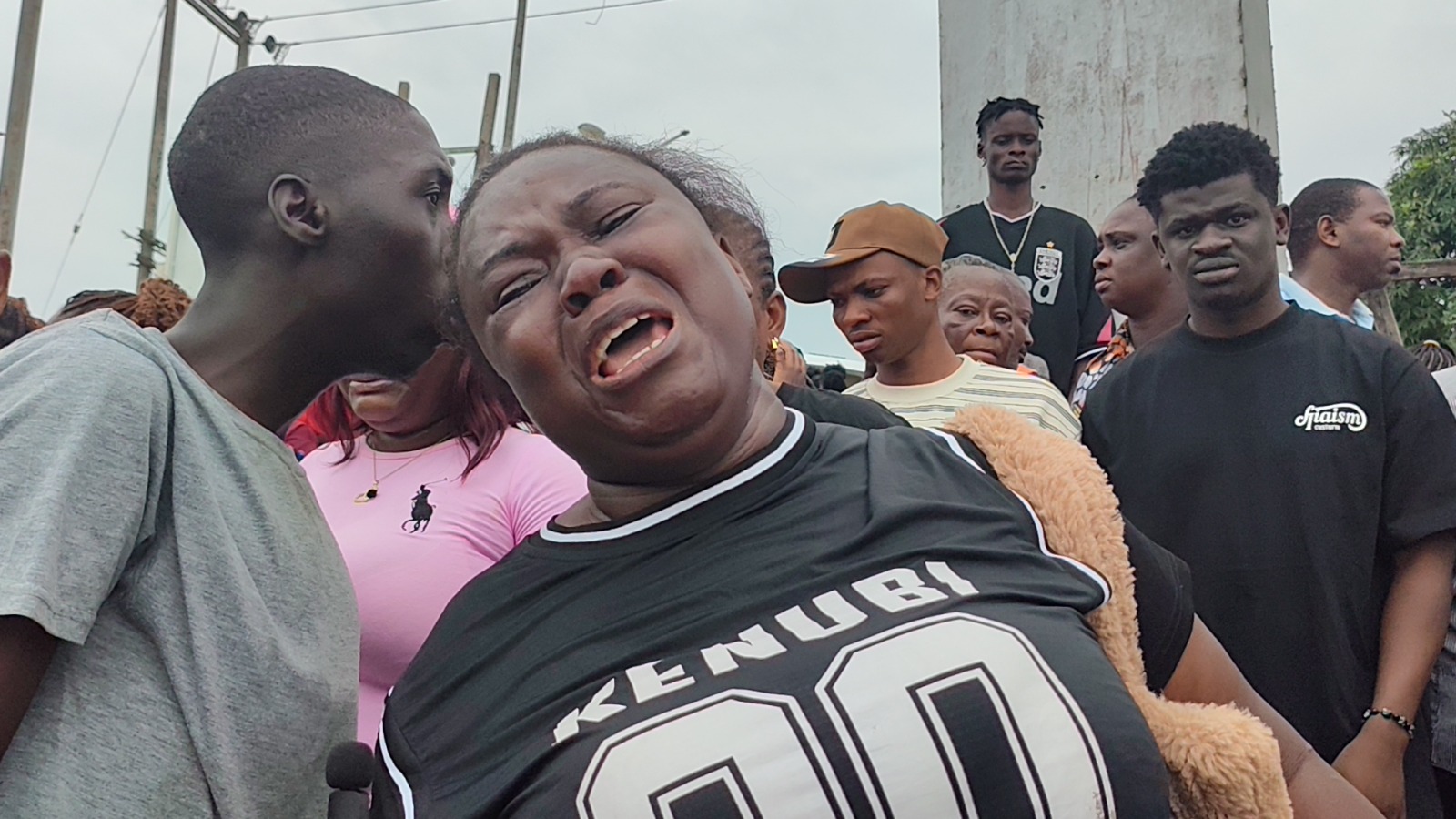
It was a scene of tears, wailing and raw anger at Robertkiri waterways in Kula Kingdom, Akuku-Toru Local Government Area of Rivers State on Thursday, as the search and rescue team recovered five out of seven bodies of victims of Tuesday’s boat mishap.
The bodies recovered were those of the Kula Community Development Committee, CDC, Secretary, Mr. Davies Opiri, a personnel of local security outfit known as Amama Soldiers, Endwell Ameme, Aboy Umeonu and Nye Oriye.
Two others, David Sukubo and another Amama Soldier, were still missing as at Thursday evening as search continues.
The victims were among 15 persons in a speedboat that capsized on Tuesday, October 20, 2026, after a tugboat towing a 200,000-barrel capacity oil vessel operated by the Ibeto Group caused their boat to capsize. Eight persons were rescued alive, seven died.
The protesters were members of Kula satellite communities and fishing settlements who had barricaded the Anambra Basin FSO vessel over alleged pollution of their waterways, fishing ports and creeks, violation of the Petroleum Industry Act, PIA, provisions on host communities and failure to pay local vendors before exiting the field after concluding operations.
From Degema Jetty to Government House, Port Harcourt
When the bodies arrived at Abonnema Police Divisional Headquarters on Thursday, relatives, friends and sympathizers could not hold back tears. They wept uncontrollably, rolling on the ground in trauma.
From Abonnema, the bodies were moved to Degema Jetty for formal identification by families, before being conveyed in a motorcade of ambulances to Government House, Port Harcourt and the State Police Command headquarters on Moscow Road to register their grievances.
Prominent Kula indigenes, including Chief Anabs Sara-Igbe and the President of the National Youth Council of Nigeria, NYCN, Sukubo Sara-Igbe Sukubo, led the protest with the corpses.
Addressing officials at Government House, Chief Sara-Igbe said Ibeto Group must be held responsible for murder and environmental pollution in Kula Kingdom.
Responding, Chief of Staff to Governor Siminalayi Fubara, Sonny Ekwule, commiserated with the families and the entire Kula Kingdom, assuring that whoever is found culpable would be brought to book.
“We assure you of government intervention to ensure justice is done. Please, remain calm and maintain peace,” Ekwule said.
At the Police Command headquarters, NYCN President, Sukubo, described the incident as a deliberate murder of innocent and peaceful persons by the operator of the oil vessel, insisting that Police must bring the culprits to book to prevent resort to self-help.
Responding on behalf of the Commissioner of Police, Assistant Commissioner of Police, Iyke Okoro, commiserated with the families and urged a lawful approach.
He advised the community to forward a formal petition to the Commissioner to aid investigation.
As at press time, the five recovered bodies had been deposited in a Port Harcourt mortuary, while search continues for the remaining two.
Meanwhile, Max Shipping Services Limited, owners of ANAMBRA BASIN FSO, had in a statement by its Legal Officer, Ikeh Chidimma Sylvia, clarified that it is vessel owner, not oilfield operator, saying the vessel was hired to Menal Technical Services Limited under a Marine Equipment Hire Agreement dated September 20, 2024, which assumed responsibility for community settlements and security.
The company said it was only retrieving its equipment after prolonged unpaid hire fees and had held meetings with community leaders for peaceful resolution.
“We are deeply saddened by reports that a community boat capsized and that allegedly lives may have been lost. We appeal to all parties to remain calm,” the company said.
Similarly, the Youths and Environmental Advocacy Centre, YEAC-Nigeria, through its Executive Director, Dr. Fyneface Dumnamene Fyneface, condemned militarisation of oil disputes and called for transparent probe by Police and Nigerian Navy.
“No crude oil vessel is worth the blood of community people. The Niger Delta has seen too many avoidable deaths over oil,” YEAC said.