Follow Us on Google
From Emmanuel Adeyemi, Lokoja
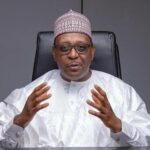
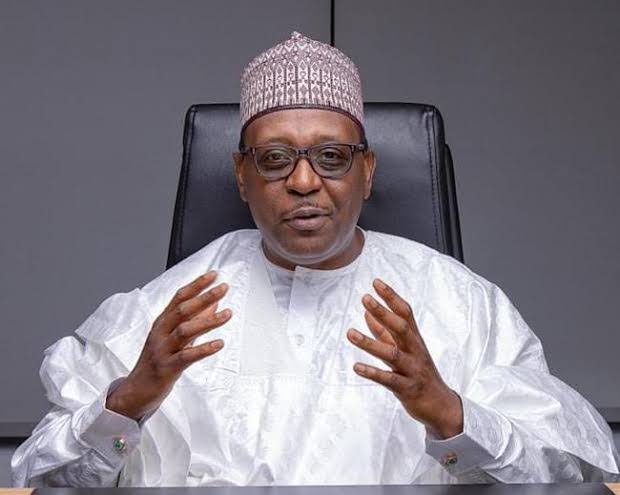
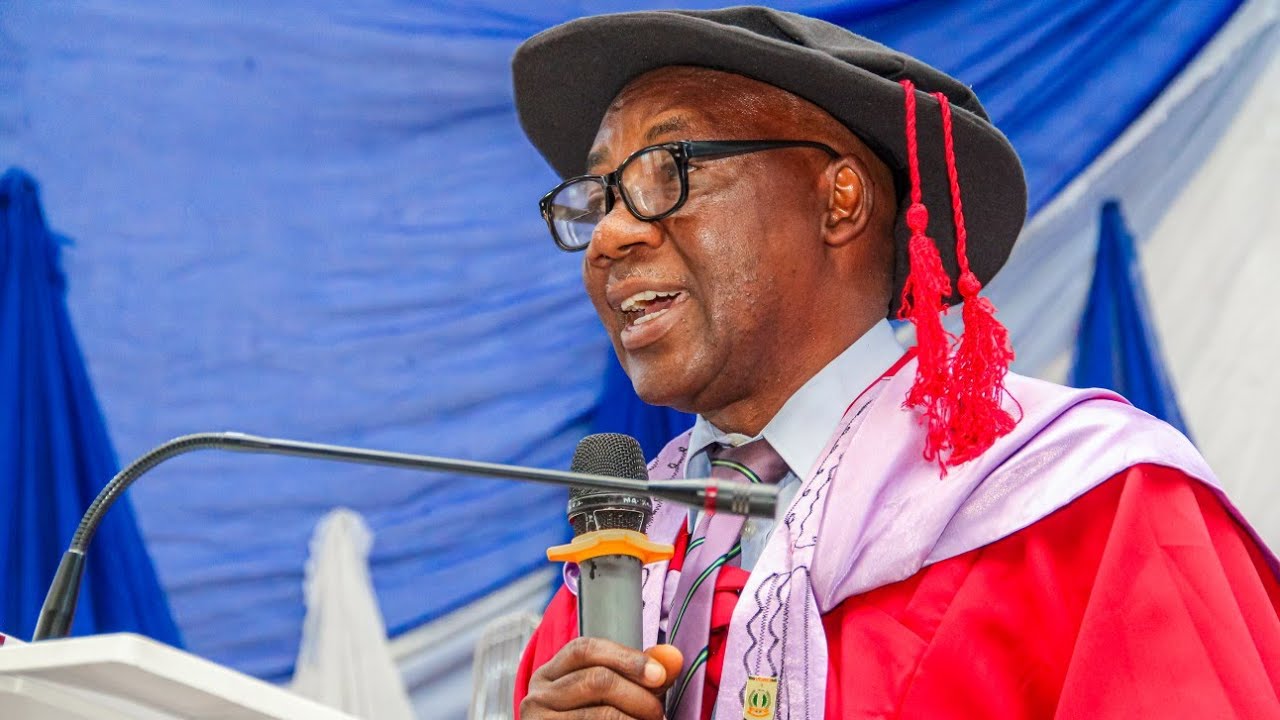
The Provost of College of Health Sciences of the Federal University, Lokoja, Prof Michael Ozovehe Ogirima, has called on the Federal Government to allocate more funds for research and modern equipment to teaching hospitals in the country to save them from collapse.
Ogirima, who is an orthopaedic and trauma surgeon, said the current state of some teaching hospitals in the country was not encouraging and said TETFUND should be extended to them as these are the training and research centres for medical students and postgraduate students.
He however said if this is not possible, special medical education trust fund should be put in place to take care of the poorly equipped teaching hospitals and health centres.
Prof Ogirima gave this advice over the weekend while delivering a lecture at the 32nd Inaugural Lecture series of the Federal University, Lokoja with the theme “Improvising to Greatness: The Surgeon’s Sojourn”.
He also called on the Federal Government to urgently establish more orthopaedic hospitals, trauma centres and rehabilitation services in all the six geopolitical zones.
He said these orthopaedic hospitals, trauma centres and rehabilitation services should be strategically established along busy routes for accident victims who may fall into coma and to cater for people with fractured bones so as to reduce avoidable deaths and permanent deformities as a result of accidents on the highway.
He said the absence of well-organised and coordinated emergency medical system with emergency medical services with 24-hour ambulance services was responsible for pre-hospital deaths on our roads.
While acknowledging that brain drain is a phenomenal problem of the country, he said medical doctors, nurses and medical academics are leaving the country in droves including old and experienced hands coupled with medical tourism which he said was costing the country huge amount of money.
In his words:
“The teaching hospitals are not adequately funded or supervised. There is relative neglect because they belong to the Ministry of Health while the University is under the NUC/Ministry of Education. We, the clinical staff, are caught in between two poorly funded supervisors—a double jeopardy.
“The academic staff is not well motivated for serious research and training activities. Inadequate ambient environment to conduct a meaningful research activity is hampered by ignorance, poor communication and lack of more preservative tools in the research laboratories to carry out some experimental inquest on human subjects.
Other News
“To curb these anomalies, I therefore advocate for more investments by individuals and corporate organisations in medical education and researches. Targeted grants to some projects in the university should be encouraged. Grants like fellowships, hands-on workshops and clinical attachments can be institutionalised by philanthropists and private firms through endowment of academic chairs.
“More philanthropists like Pa Afe Babalola, SAN of Ado Ekiti should be encouraged to set up private medical schools to shore up the quantity and qualities of medical and allied health professionals. The more the market is saturated with more doctors with attractive incentives the more the defeat of the brain drain (JAPA syndrome). Equally there is the urgent need to support the private sector in orthopaedic care to be more responsive and complementary.
“Health insurance and highly subsidised services will need to be more robust and expanded to guarantee access to care in joint replacements and spine deformity corrections; and encouragement of public private partnership to reduce medical tourism to overseas and capital flights.
“The TETFUND should be extended to the Teaching hospital as these are the training and research centres for medical students and postgraduate students. However, if this is not possible, special medical education trust fund should be put in place to take care of our poorly equipped health centres. There is a need to enforce various existing policies on health insurance and social welfare schemes for the institutions and the vulnerable.
“Government is encouraged to establish more specialised universities as there is always competitive funding among various programmes in the university. The medical programmes are expensive to run and the tendency for neglect and underfunding exist. It is recommended that the medical education of any university should have between 30 to 40% of the annual capital budget of that institution.
“Clustering of medical colleges may be necessary to make available the few medical teachers in the country accessible to students through utilisation of ICT and e-learning facilities and AI assisted tools. A medical college could therefore be affiliated to many teaching hospitals and well-equipped private hospitals.
“The University management should be the one to supervise the Teaching Hospitals linked to them for ease of administration and funding. This was the policy until two decades ago. It encourages efficiency with hierarchy and merit. There is an urgent need to revisit the old order where there was meritocracy and hierarchy in the appointment of leaders in the hospital administration for efficiency. The tenure of the Chief Executives of the Teaching hospitals should be single tenure of five years like the Vice Chancellors.
“There is a need to have theatre suites built and equipped by the university to augment the existing ones owned and managed by the teaching hospital. Telemedical facilities should be part of the design of operation rooms.
“In addition, the university should establish clinical and surgical skills laboratories (for simulation) that are specialty specific to encourage more clinical experience for our undergraduates and as research laboratories for the teachers. In the same vein, hospitals should establish more specialty specific suites for both elective and emergency cases.
“Good remuneration packages should be introduced for serious academic activities to minimise brain drain and attract more medical teachers to the classrooms,” he added.