Follow Us on Google
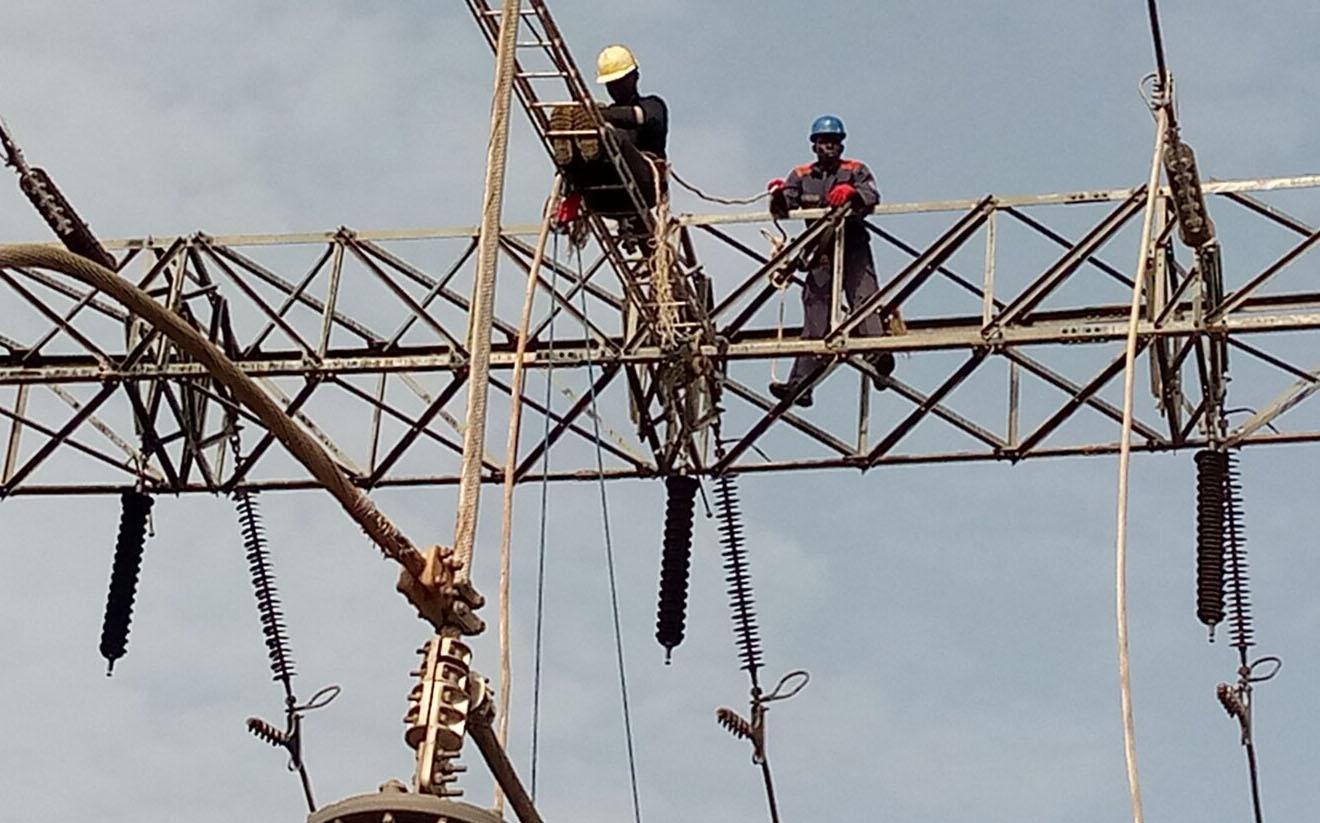
As vandalism of Transmission Company of Nigeria’s (TCN) infrastructure intensifies across the country, the company today disclosed that it has cost it over N1.4 billion to replace and repair demolished equipment in the last one year.
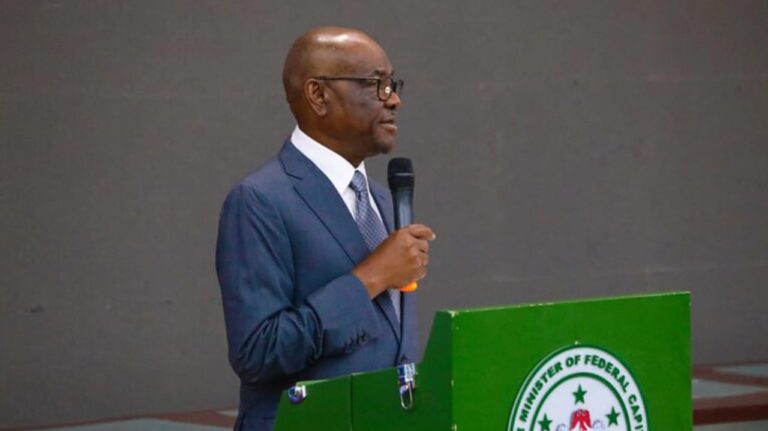
In his presentation at a workshop organised by TCN in Keffi, Nasarawa State, the Executive Director, Transmission Service Provider (TSP) of TCN, Engineer Oluwagbenga Ajiboye, said that the money is from multilateral and development agencies.
“And we want to let you know that they don’t come cheap at all. The investment made so far accumulated in the last 12 months, to N1.4 billion from multilateral and development financing agencies,” he said.
Highlighting the importance of power to development, Ajiboye explained that power comes before development.
According to him, people need power to develop, adding that the infrastructure for development resides with the government.
“People don’t develop before they need power. They need power to develop. So, who is going to fill the vacuum? It’s only government that can fill that vacuum.
“You don’t expect somebody to invest in anticipation because it might not come. So, that is why TCN relies on donor agencies and government to fund proposed expansion,” he noted.
Other News
TCN also emphasised that it can conveniently wield 8,700 megawatts if the distribution companies (DisCos) can pick the load. But in a situation where TCN wields the power and DisCos cannot pick it, it’s a wasted effort.
“If the DisCos are ready to pick load here, we can conveniently wield 8,700 megawatts.
“But we have a caveat. The distribution companies have this problem with us. They claim that where they want power is not where we have the capacity.
“But I keep on asking one question. Who in Nigeria doesn’t deserve to have power? Why is it that you don’t want to take power to some places? These are the problems and the question we should be asking ourselves. Who doesn’t deserve power? Who doesn’t deserve it in Nigeria?” he asked.
TCN claimed that the DisCos are the weakest link in the power supply chain because they go to where they get business.
The industry, he said, has capacity but the distribution companies go to places they can get revenue.
“Not because this industry doesn’t have the capacity, but because the distribution companies are claiming that this is business. If they are not getting their revenue, they are not ready to take the power. So, that is limiting us,” TCN lamented.