Follow Us on Google

By Chinwendu Obienyi
Nigeria’s business expansion slowed significantly in January 2026 as sweeping tax reforms intensified cost pressures across key sectors, according to the latest Business Confidence Monitor (BCM) released by the Nigerian Economic Summit Group (NESG).
The report shows that the cost of doing business index surged sharply to 90.5 points in January from 54.7 points in December, while input prices climbed to 96.9 points from 68.9 points.
NESG attributed the spike largely to the impact of new tax measures, compounded by fuel price adjustments and the lingering effects of inflation.
“These elevated cost pressures are primarily driven by a ‘perfect storm’ of new tax reforms, fuel price adjustments, and the lagged effects of inflationary pressures,” the report noted, adding that the changes significantly strained firms’ operating margins.
Reflecting these pressures, the overall NESG-BCM index declined to 105.8 points in January from 112.0 points in December 2025, marking its lowest level in six months and signaling weakening business activity across most sectors.
The slowdown was most pronounced in agriculture and trade, both of which slipped into contraction territory. Agriculture fell to 99.5 points in January from 112.9 points in December, while trade declined sharply to 92.7 points from 123.8 points, as higher tax-related costs weighed on distribution, logistics, and consumer demand.
Manufacturing and services remained in expansion territory but showed signs of deceleration. Manufacturing eased to 115.8 points from 117.9 points, while services slipped to 102.1 points from 104.3 points. The non-manufacturing sector was the only segment that sustained a relatively stable expansionary trend during the month.
NESG also reported broad-based softening across key sub-indices, including general business conditions, production levels, demand, investment, financial conditions, supply orders, inventory accumulation, access to credit, and cash flow.
Other News
According to the group, these declines reflect a combination of post-festive moderation in activity and weaker consumer demand, exacerbated by higher tax burdens and operating costs.
Beyond taxation, businesses continued to face structural challenges such as limited access to finance, irregular power supply, and rising commercial property costs, all of which further constrained investment decisions and overall performance.
On the outlook for the economy, the report revealed that business optimism moderated but remained positive.
It said, “The Future Business Expectation Index declined to 124.7 points in January from 132.6 points in December, as firms weighed the implications of the new tax regime alongside broader macroeconomic uncertainties”.
The firm also added that while optimism persists, it hinges on a supportive and predictable tax and policy environment, improved currency stability, and stronger export demand.
Manufacturing recorded the strongest near-term outlook, while agriculture remained the least confident sector, reflecting its heightened sensitivity to tax changes and cost pressures.
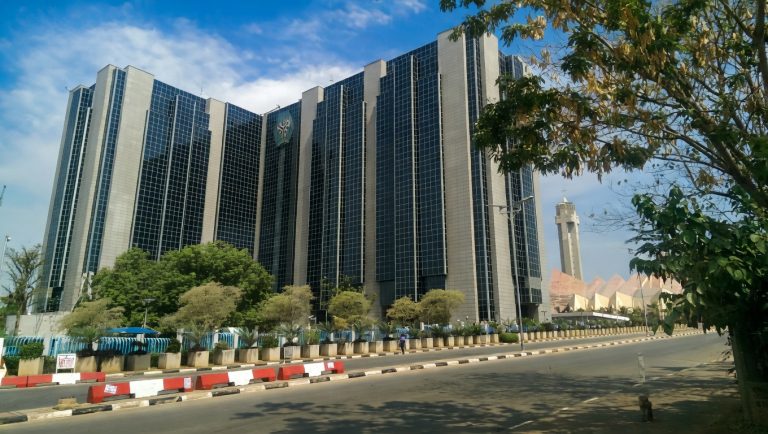
In the coming weeks, attention will also turn to the Central Bank of Nigeria (CBN), which is expected to release its own economic and business conditions report.
Businesses as well as markets across the country will closely assess the CBN’s findings for further insight into how recent tax reforms, inflationary pressures, and monetary policy are shaping business activity and investment sentiment in the near term.
It will be recalled that the Stanbic-IBTC reported on Tuesday that private sector activity had weakened at the start of 2026, falling into contraction for the first time since the Purchasing Managers Index (PMI) survey began in 2014.