Follow Us on Google
By Henry Uche
As controversies over the 2025 tax laws, expected to be implemented from 1 January 2026, deepen, the Chartered Institute of Taxation of Nigeria (CITN) has called for immediate verification of the contested tax Acts.
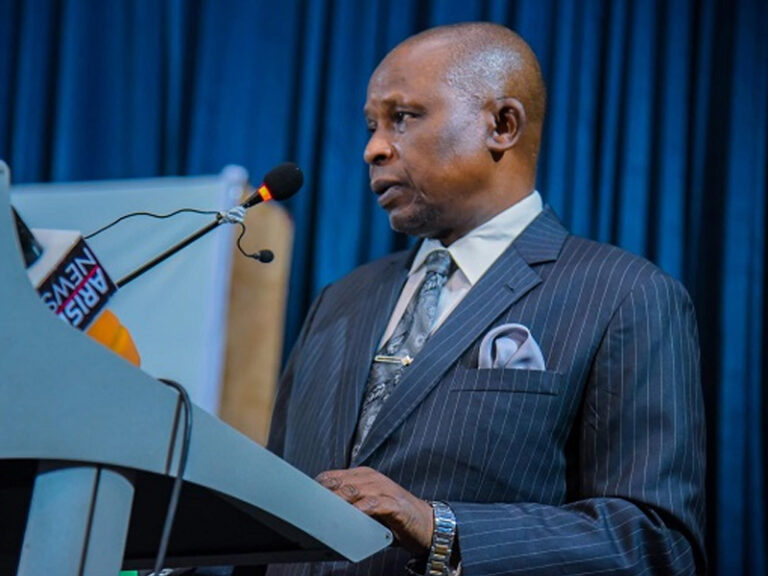
In a position statement signed by the 17th President/Chairman in Council of CITN, Mr Innocent Ohagwa, the Institute said the verification should be done by comparing the versions passed by the National Assembly; the enrolled and gazetted Acts; a clear public clarification where discrepancies are identified; and prompt corrective action in line with constitutional and legislative procedures.
The CITN President stressed that the questions raised about alignment between various legislative versions and the gazetted copies currently in circulation must be addressed accordingly because the integrity of tax legislation must not be compromised but must be given due diligence.
“The integrity of the legislative process is fundamental to the rule of law, good governance, and public confidence in democratic institutions. Tax legislation, in particular, requires the highest level of accuracy, transparency, and procedural fidelity due to its far-reaching implications for government revenue, businesses, professionals, and citizens.
“Recent public discourse has raised concerns that certain provisions of the newly enacted tax laws may differ from the versions passed by the National Assembly, allegedly through modification, insertion, or removal of clauses after legislative passage. As a professional body committed to ethical standards, legal certainty, and national development, we consider it necessary to state our position on this matter.
“To uphold professional and ethical standards; to promoting legal certainty and best practices; to support sound public policy and governance; and to protect the public interest through informed professional engagement.”
Expressing serious concern over allegations that the final gazetted versions of certain tax Acts may not accurately reflect the Bills as debated and passed by the National Assembly, the tax professionals noted that if established, such discrepancies — whether arising from procedural lapses, administrative errors, or unauthorised alterations — could undermine the supremacy of the legislature, create legal ambiguity and compliance risks, erode public and investor confidence, expose taxpayers and professionals to unintended liabilities, and weaken trust in governance institutions.
Other News
“Our concern, as the pre-eminent tax institution in Nigeria, is in ensuring that due legislative process is observed and not breached, especially in respect of an important subject matter as taxation, which thrives on exactitude of tax legislation. We believe, therefore, that no efforts should be spared in getting it right from the onset, to avoid overwhelming challenges in the future.”
Emphasising the importance of legislative fidelity, the Institute explained that the Nigerian Constitution and established parliamentary practice require that laws assented to and gazetted must be identical to those duly passed by the legislature, and any post-passage changes must follow constitutionally recognised procedures. They raised the alarm that, where clarity and certainty are essential, even minor alterations can have disproportionate consequences.
Calling for verification and transparency, CITN urged that its position on this matter be followed to the letter in the interest of institutional credibility and public trust, adding that such steps will strengthen confidence in the legislative process and prevent prolonged uncertainty.
“To prevent recurrence, we recommend strengthened document control and version-tracking mechanisms for Bills and Acts; clear audit trails throughout the legislative drafting and enrolment process; enhanced inter-institutional checks before presidential assent; and structured stakeholder review for major tax legislation. These measures will enhance transparency, accountability, and institutional resilience.”
The tax Institute maintained that its position is guided by professionalism, respect for democratic institutions, and commitment to national interest, saying, “We reaffirm that the authority of the National Assembly must be preserved, laws must faithfully reflect what was lawfully debated and passed, and most importantly transparency and accountability are essential to sustainable governance.”
The Institute acknowledged that the matters under debate are being addressed through established legislative processes, with reports indicating that the House of Representatives has initiated a review in respect of issues arising from the legislative process relating to the 2025 tax laws.
“We stand ready to offer our technical expertise and professional support to all relevant authorities towards promoting clarity, certainty, transparency, confidence and effectiveness of Nigeria’s tax laws and the tax system in general,” the Institute affirmed.