Follow Us on Google
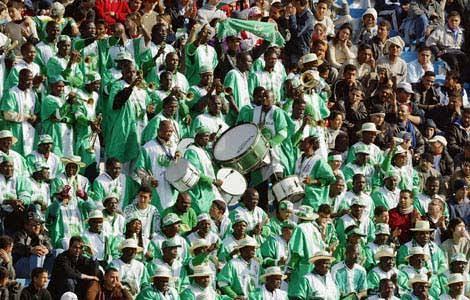
A leadership arrangement meant to last just twelve months has now dragged on for a year and a half — and Nigeria’s football supporters clubs are still waiting for the elected leaders they were promised.
The five club presidents heading the Unification and Interim Management Committee (IMC) for Nigerian Football and Sports Groups are facing mounting criticism over their failure to complete the very job they were appointed to do: unite the country’s fractured supporters clubs, restructure the organization, and hand power to a democratically elected executive.
The IMC’s authority rests on a Memorandum of Understanding that took effect on February 13, 2025, granting the committee a strictly one-year term that, by its own wording, could not be renewed or extended under any circumstances. That deadline came and went on February 13, 2026, without the transition being completed. Seven months later, in September 2026 — roughly 19 months since the committee was formed — no election has been held, no unified leadership installed, and no full account of the group’s stewardship has been delivered to stakeholders, leaving the same five presidents in place well beyond their contractual window.
Facing scrutiny, the IMC has pointed to a structural obstacle: the various supporters clubs are separately registered with the Corporate Affairs Commission, which the committee says makes a single, unified merger legally complicated to execute. It has also cited the Super Eagles’ failure to qualify for the FIFA World Cup as a factor that disrupted its work. Neither explanation is landing well with observers, who note that untangling registration hurdles was precisely the kind of administrative challenge an interim body exists to solve, while a national team’s qualification campaign has no obvious bearing on whether an internal supporters’ election gets organized on schedule.
Adding to the frustration is a string of contradictory public statements. In one release, the IMC unveiled concrete steps toward an election, including plans to set up a Constitutional Drafting Committee and an Electoral Committee — seemingly signaling that the long-delayed transition was finally underway. Barely 48 hours later, however, a follow-up statement suggested the same leaders would instead wait for further directives from the Nigeria Football Federation (NFF) and the National Sports Commission (NSC) before deciding how to proceed, leaving stakeholders to wonder why a process was announced if it wasn’t actually ready to move.
Perhaps the sharpest criticism leveled at the committee is structural rather than procedural. The five presidents, critics argue, cannot reasonably be the ones to determine whether their own stewardship has succeeded. They were handed a mandate with a fixed duration and clearly defined goals — and when those goals go unmet, the responsible path is accountability and transparency, not self-justification. Instead, recent public messaging from the group has focused largely on explaining away the missed deadline and defending its own continued relevance.
Supporters, critics say, deserve better: an independent review of what actually happened over the past 18-plus months, a clear account of the decisions made along the way, and a transparent roadmap toward genuine elected leadership. The list of unanswered questions keeps growing — why the election was never conducted, why a promised transition report was never delivered, what specifically prevented the IMC from finishing a one-year assignment in the time allotted, and under what authority it has continued operating well past its expiration date.
As one assessment put it, an interim committee exists to build a bridge to a permanent structure — not to become the permanent structure itself. For Nigeria’s supporters clubs, the message from critics is unambiguous: the time for excuses has passed, and the time for accountability has arrived.