Follow Us on Google
From Sola Ojo, Abuja
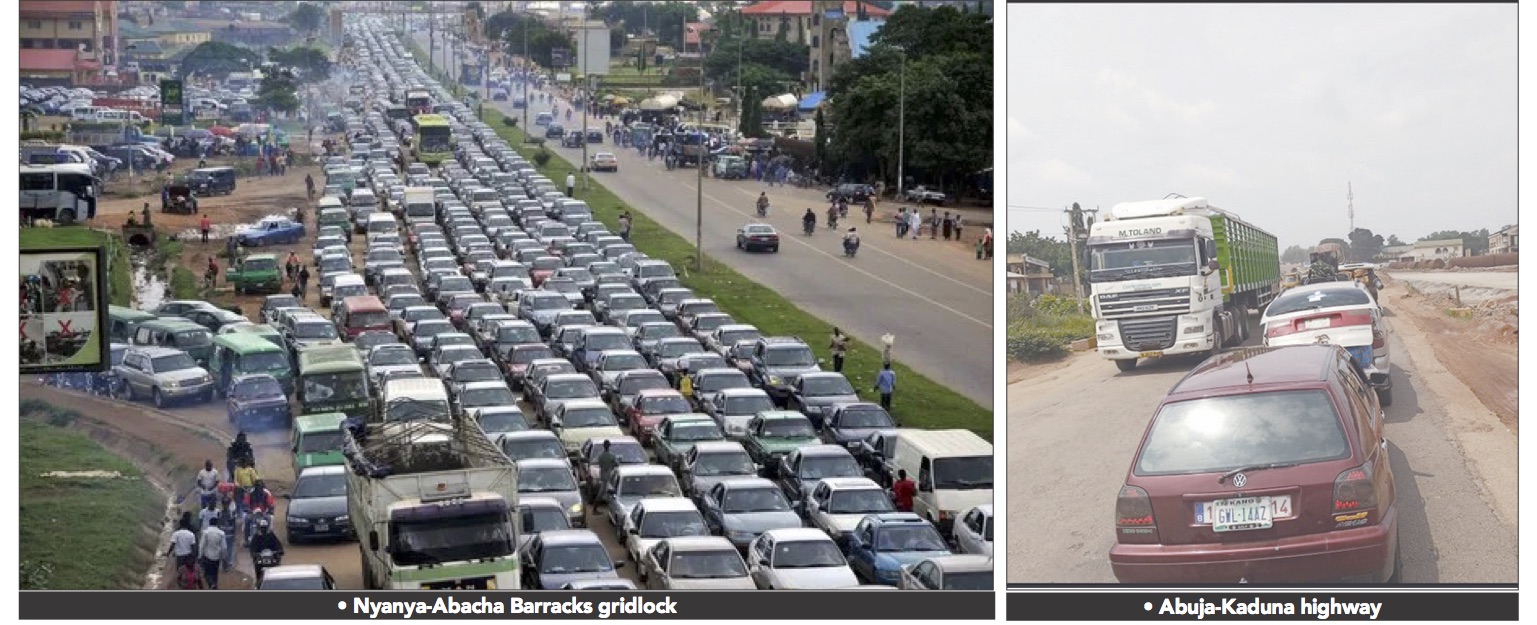
From Kugbo bridge, stretching all the way to Abacha Barracks pedestrian bridge, the grinding traffic along one of Nigeria’s busiest highway corridors slows daily life to a near crawl. Motorists and commuters navigate a road so narrowed it often forces delays measured in hours, crushing punctuality and patience alike.
Parents dropping children late after the 7:30am school resumption time, workers arriving hours behind schedule despite timely departures—these are daily tales spun from the slow crawl of traffic. Cars overheat or stall, fuel is wasted in jerky starts and stops, and tempers fray in gridlock.
At Nyanya Motor Park, on the outskirts of Abuja, near Nasarawa, the scene is a mix of desperation and resilience. Engines roar early, while ‘agberos’ call destinations like Kaduna, Kano, Lokoja and Minna, beckoning passengers eager for work or home. Civil servants who cannot afford central Abuja rents have made Nyanya a bustling community, fuelling the park’s growth.
Ismail Yusuf, secretary of the National Union of Road Transport Workers (NURTW), Nyanya branch, describes the park as a lifeline for hundreds dependent on transportation for income.
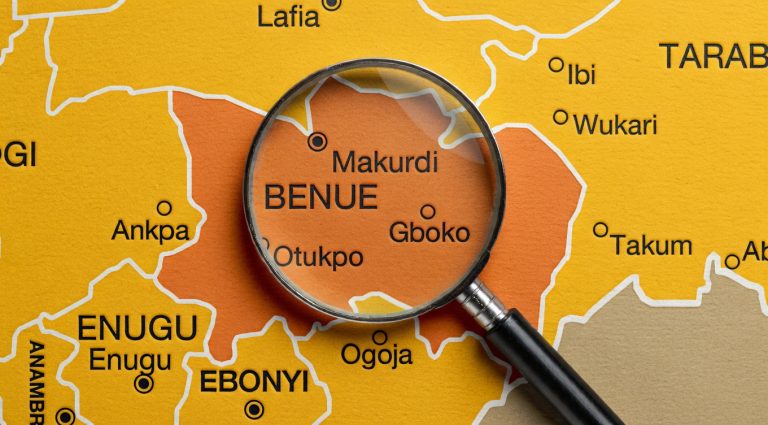
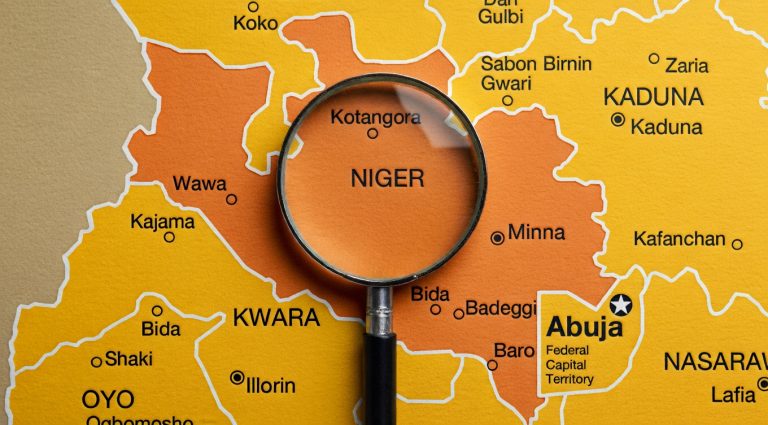
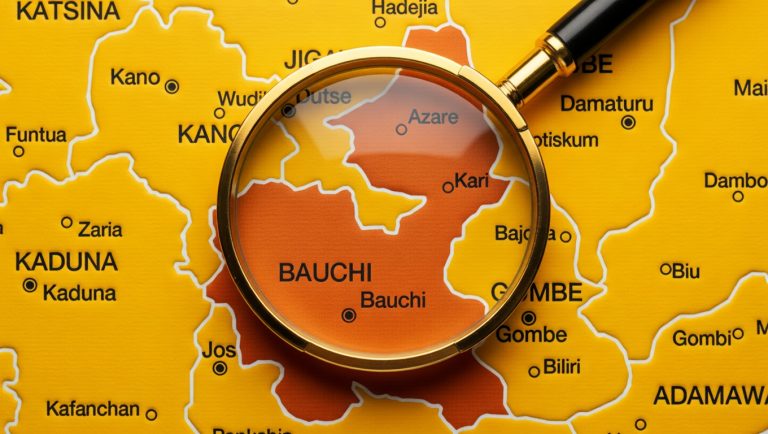
“We operate routes from Nyanya to Kaduna, Kano, Katsina, Lokoja and Minna. For local routes, we go to Suleja, Zuba and Gwagwalada. Across the road, our neighbours serve Makurdi, Lafia, Jos, Bauchi, Nasarawa and Keffi,” he says.

While public road works have slightly eased intra-city traffic, the tortuous stretch from Kugbo to Abacha Barracks continues to test commuters’ endurance. Yusuf highlights the economic pinch: “Since the removal of fuel subsidy, fares have gone up sharply. Because of that, movement has reduced. People only travel now when it’s absolutely necessary.”
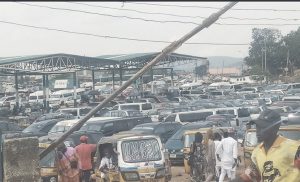
Nyanya park is more than a transport hub—it is a micro-economy where food vendors, tea sellers, and payment operators hustle to survive. “Over a hundred people earn their living here, including drivers, loaders, staff—all depending on transport.”
The park itself has evolved from chaotic roadside loading points to a secure, well-managed terminal, credited to efforts during former Minister Bala Mohammed’s tenure and Alhaji Siaka Baba’s stewardship.
“Now we have clean toilets, water and facilities that make it comfortable for everyone,” Yusuf explains. Their accountability system tracks passengers and recovers lost items, a rare comfort in Nigeria’s bustling transport scenes.
Yet, the bigger battle lies on the road. The federal highway from Masaka to Nyanya, once a less-than-one-hour drive from Keffi, now consumes three to four hours, turning simple commutes into exhausting ordeals.
Baba Alababa, a senior commercial driver with 47 years’ experience, sees the slow repair work as more than inconvenience: “The Federal Ministry of Works should speed up repairs on all highways in and out of Abuja. Good roads reduce accidents, boost the national economy and extend our lives.”
Every pothole brings a price in vehicle damage, wasted fuel, lost hours and, sadly, sometimes, lost lives.
Veteran driver, Ismaila Alimi, cruising between Kaduna and Abuja since 1980, recalls the road’s ups and downs through decades of insecurity and neglect.
“It’s bad now,” he admits. “But at least kidnapping cases have reduced. Things are calmer.”
Recent road reconstruction after contract changes from Julius Berger to another firm improved stretches between Madalla and Tafa, yet slow progress fuels frustration.
“They are working on the road, but the pace is slow. Nigerians deserve smooth journeys on that dual carriageway,” Alimi insists.
For Yusuf, Alababa and Alimi, the message is unified: Nigeria’s transport system is a pulse check on the nation’s well-being. The roads reflect not only economic health but also the daily rhythm of millions—families, workers, traders, drivers—relying on movement, connection and time.
The federal government’s road repair is not just infrastructure—it is a vital public service sustaining lives and livelihoods amid the gridlock.