Follow Us on Google
From Fred Ezeh, Abuja.
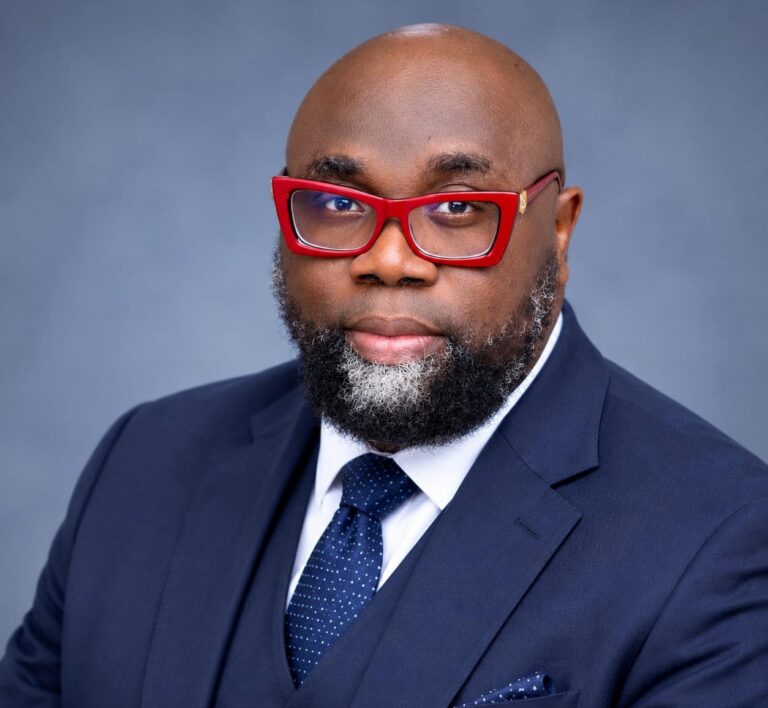
Chairman of the Economic and Financial Crimes Commission (EFCC), Mr. Ola Olukoyede, has challenged Christian and Muslim leaders to stop celebrating unexplained wealth in churches and mosques, warning that doing so could give moral cover to proceeds of corruption and financial crimes.
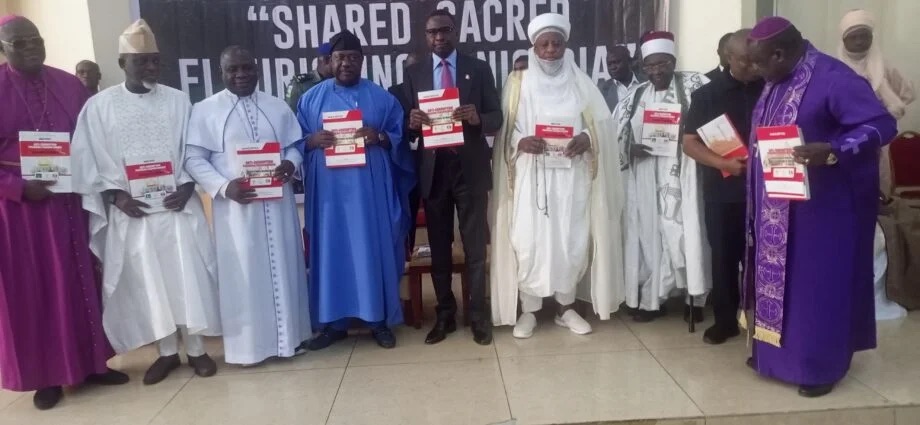
Olukoyede, who spoke at a meeting of the Nigeria Inter-Religious Council (NIREC), in Abuja, yesterday, said religious leaders had a critical role to play in preventing corruption by shaping the values of their congregations and refusing to confer social and religious honour on people whose wealth could not be explained.
He said the fight against corruption could not be left to law enforcement agencies alone, stressing that religious institutions must become active partners in preventing financial crimes.
According to him, EFCC could investigate, prosecute and recover proceeds of crime, but religious leaders command the influence and loyalty to shape the character and values of individuals before they commit such offences.
“EFCC can investigate a person’s conduct, but faith communities can influence that person’s character. We can prosecute fraud, but religious leaders can cultivate honesty. We can confiscate illicit wealth, but you can challenge the values that make society worthy,” he said.
He said the issue was particularly important in a deeply religious country like Nigeria, where public respect was sometimes accorded to people primarily because of their wealth, regardless of how the wealth was acquired.
He challenged religious leaders to examine the message being sent to young Nigerians when wealthy individuals are celebrated without questions about the sources of their wealth. “What message do we send when plain, unexplained wealth commands more respect than integrity?” he queried.
The EFCC chairman also questioned situations where religious leaders publicly condemn corruption but continue to honour wealthy individuals whose sources of income are questionable.
He gave examples of public officials who, according to him, had built expensive religious structures or made huge donations to churches or mosques despite earnings that could not reasonably support such expenditure.
“In such circumstances, religious leaders should not simply celebrate or dedicate the structures and donations without asking questions about their sources.
“Somebody says he has built a mosque that is worth more than what he will earn in the next 500 years, and you are there to dedicate it. You are dedicating sources of crime,” he said.
Other News
He also cited a situation where a public servant allegedly donated N50 million to a church despite being on a relatively low government salary. “You are blessing sources of crime,” he warned.
He said religious institutions must therefore establish a culture in which legitimate wealth was celebrated, while illicit wealth lost its social and religious prestige.
He insisted that charitable donations will not cleanse money obtained through corruption, fraud or deprivation of the public.
The EFCC boss thus said the agency’s partnership with religious leaders was based on the understanding that corruption was both a legal and moral problem.
“Financial crime has no religion. Corruption has no tribe. Consequences of corruption affect Christians, Muslims and people of other faiths alike. Money stolen from hospitals denies Nigerians healthcare, diverted education funds deprive children of opportunities, stolen road funds result in abandoned projects and lost lives, while pension fraud strips elderly citizens of dignity,” he said.
He said corruption effectively allowed an individual to flourish at the expense of the wider society, contrary to the principle of shared sacred flourishing being promoted by NIREC.
He also disclosed that the EFCC had developed a Fraud Risk Assessment and Control mechanism as part of efforts to prevent corruption before it occurred, rather than relying exclusively on arrests and prosecution after public funds had been lost.
He said the commission was also determined to maintain integrity within its own ranks, revealing that more than 40 EFCC personnel had been dismissed following findings of corrupt practices and gross misconduct.
“If you must come to equity, your hands must be clean. An anti-corruption institution such as EFCC could not effectively fight corruption if it tolerated misconduct within its own ranks,” he said.
The EFCC chairman thus urged religious leaders to use the anti-corruption manual developed by the commission and religious scholars to incorporate integrity, accountability and financial responsibility into sermons, Friday khutbahs, Sunday messages, youth programmes, seminaries and other faith-based activities.
He said the objective should be to create a society where young Nigerians understood that honest labour was not failure, and that wealth without accountability should not be regarded as success.
Olukoyede was optimistic that the partnership between the EFCC and religious institutions must ultimately produce a society in which no faith community provided moral shelter for corruption and no offender was shielded because of his religious, ethnic, political or social identity.