Follow Us on Google
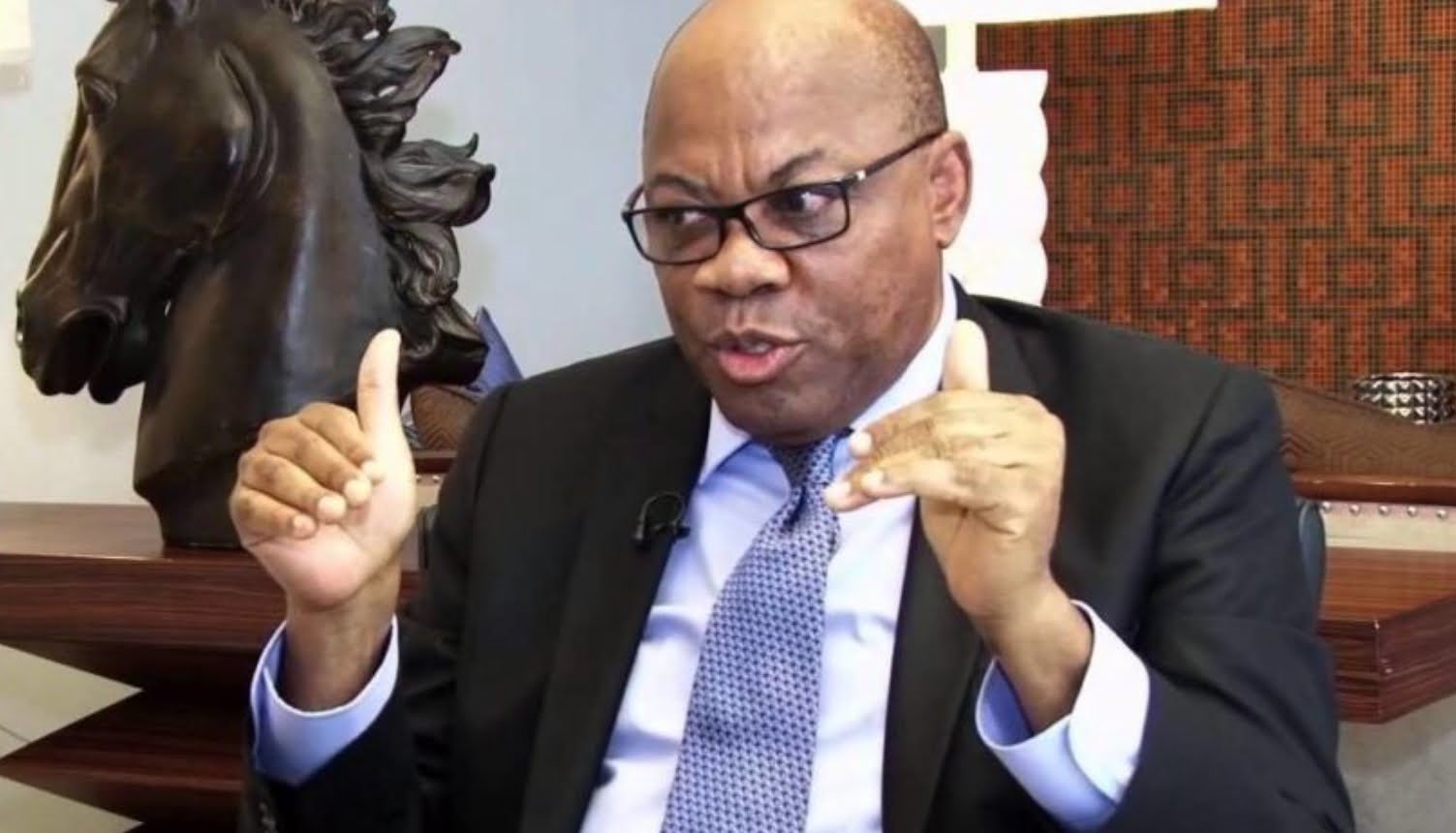
By Lawrence Agbo
Senior Advocate of Nigeria, Olisa Agbakoba, has called for wider constitutional reforms to accompany the proposed creation of state police, warning that the initiative could be hijacked for political purposes if adequate safeguards are not built into the system.
In a letter to the Secretary to the Government of the Federation, Senator George Akume, the former President of the Nigerian Bar Association welcomed President Bola Tinubu’s decision to send an executive bill to the National Assembly seeking constitutional backing for state police.
Agbakoba described the proposal as a necessary step towards improving internal security, saying decentralised policing would bring law enforcement closer to the people and enable quicker responses to local security threats.
“I commend the President for transmitting to the National Assembly an executive Bill proposing the amendment of Section 214 of the 1999 Constitution to introduce the long-awaited state police. This is a welcome development that will, if properly implemented, enhance public security and bring law enforcement closer to the communities it serves,” he wrote.
Despite backing the initiative, he argued that creating state police without strengthening democratic institutions would only replace one form of centralised control with another.
According to him, experience has shown that institutions lacking constitutional independence often end up under the influence of political officeholders.
“Devolution without institutional protection is reform in name only,” he stated, warning that state police could become instruments of executive power instead of impartial law enforcement agencies.
Other News
The senior lawyer said the conversation should not be limited to policing alone but should include broader devolution of powers, allowing states and local governments to assume greater responsibility for areas such as prisons, marriage registration, business name registration, trade regulation, arbitration and driver’s licences.
Agbakoba pointed to the operation of State Independent Electoral Commissions and local government councils as examples of institutions that have struggled to maintain independence from state governments.
He urged Nigeria to emulate South Africa’s constitutional model, where oversight institutions derive their authority directly from the constitution and are insulated from political interference.
According to him, agencies such as the Independent National Electoral Commission, the Economic and Financial Crimes Commission, the Independent Corrupt Practices and Other Related Offences Commission, the Central Bank of Nigeria and the National Judicial Council should enjoy similar constitutional protection and guaranteed funding.
He also proposed a balanced appointment process for state police leadership, recommending that the Police Service Commission, governors and State Houses of Assembly jointly participate in appointing and removing state police heads to prevent abuse of power.
Agbakoba maintained that no single arm of government should have unilateral control over the leadership of the proposed police formations.
He warned that failing to establish independent oversight mechanisms would expose state police to manipulation, ultimately undermining public confidence and weakening Nigeria’s democratic institutions.
The legal luminary urged the Federal Government to use the ongoing constitutional amendment process to create a policing system that protects citizens, strengthens accountability and serves the public interest rather than political actors.