Follow Us on Google
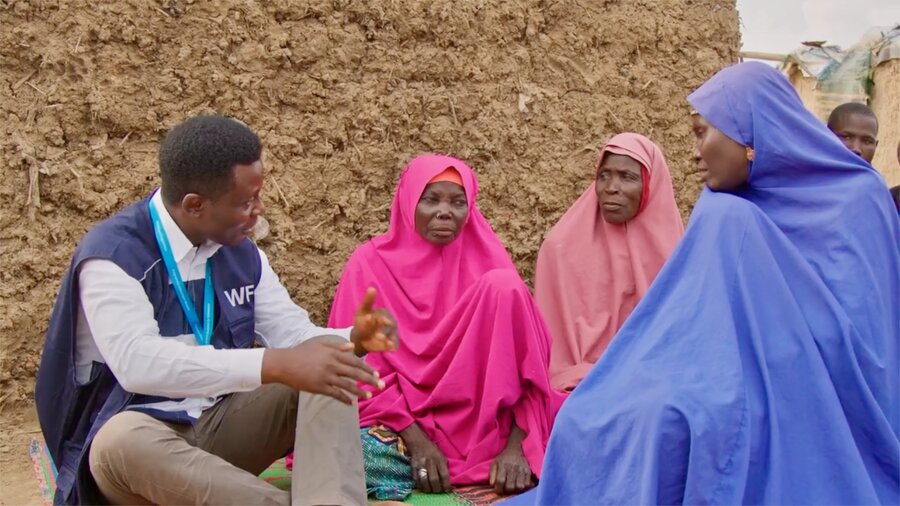
The United Nations World Food Programme (WFP) has secured critical donor support just in time to avert a potential shutdown of lifesaving operations in north east Nigeria, where conflict has pushed millions into hunger. New funding from the United States will help sustain emergency food and nutrition programmes in communities devastated by violence, affecting over 5 million people and leaving more than 2.5 million children malnourished.
“This support comes at a pivotal moment for Nigeria and the wider region. Escalating conflict is driving farmers from their fields. Over the past nine months, WFP and partners have recorded more than three attacks each day on communities across the northeast, with farmers among the hardest hit. This disruption to food production has left families with no means to feed themselves, while those left behind face hunger, displacement, and the risk of recruitment by armed groups”, said David Stevenson, WFP Country Director in Nigeria.
The new contributions will keep 187 nutrition clinics operational across Borno, Adamawa, and Yobe states, ensuring continued treatment for more than 300,000 malnourished children and mothers, a service previously at risk of closure.
Stevenson emphasised that Nigeria, as Africa’s largest democracy, plays a crucial role in regional stability and preventing the spread of insecurity across the Sahel. “WFP’s continued operations not only provide lifesaving food but also help restore Northern Nigeria’s potential as the nation’s breadbasket,” he said.
Other News
Support from the United States and other donors will sustain WFP’s operations for the next three months, reaching 850,000 people in camps and host communities. Yet this is still a significant reduction from the 1.5 million people assisted in July, underscoring ongoing funding shortfalls.
WFP is urgently calling on additional donors, including the Nigerian government and private sector, to help close the gap and co-invest in the region. “Without further contributions, operations will face deeper cuts, putting millions at risk of worsening hunger,” Stevenson warned.
The agency expressed gratitude to donors who have already stepped in since July, including the United States, United Kingdom, Saudi Arabia, EU-ECHO, France, African Development Bank, and UN CERF.