Follow Us on Google
As an interventionist agency, the Niger Delta Development Commission (NDDC), with the mandate to drive the process of developing Nigeria’s oil-rich region was established by the NDDC Act of 2000. Of course, the mandate of the agency was unambiguous; it is to facilitate the rapid, even and sustainable development of the Niger Delta into a region that is economically prosperous, socially stable, ecologically regenerative and politically peaceful.
It is no longer news that the Niger Delta produces nearly 75 per cent of the nation’s export earnings but the news is that 43 per cent of the region’s population still lives below poverty line. This paradox is due primarily to ecologically unfriendly exploitation of oil and gas resources that expropriate the region’s indigenous people and their right to these resources. Hence, the NDDC is determined to change this narrative and bring back prosperity to its land and people.
There is no gainsaying the fact that the story of the oil rich region has changed for the better since the coming on board of Dr. Samuel Ogbuku as Managing-Director of the Commission.
Since he took over the helm of affairs at the commission, he has been able to articulate the demands of the people of the area, embarked on practical initiatives to complete the gargantuan projects which he met and conceived and carrying out the execution of several other projects for the benefit of the people, and by so doing, calmed the restiveness which ab initio signposted the region.
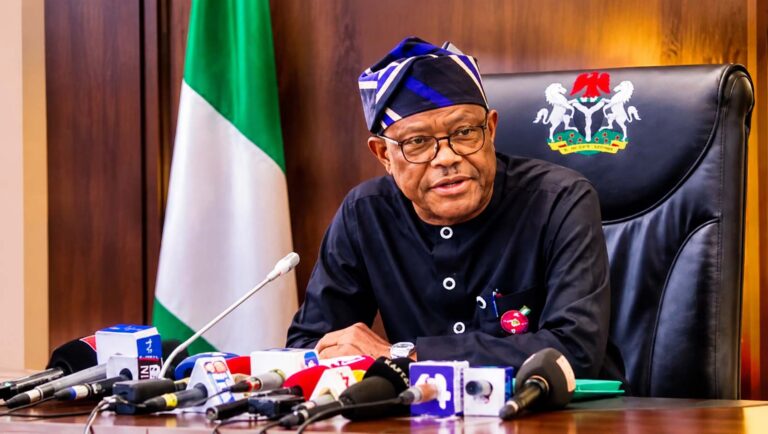
At the Public Private Partnership (PPP) Summit which was held at the Eko Hotel, Lagos State on Tuesday, April 25, 2023, Dr. Ogbuku made it clear that since its inception, the NDDC has tried to faithfully deliver on its mandate to fast-track the development of the Niger Delta region as envisioned in its enabling Act.
Speaking on the theme of the Summit: “Rewind to Rebirth” and re-igniting the importance of stakeholders in the agency’s engagements, Ogbuku disclosed that as part of the efforts to renew and reposition the NDDC, the Governing Board has stepped up collaboration with various stakeholders. “We have started engagement with the key stakeholders, such as the oil companies, who contribute three per cent of their operational budget to the Commission; the state governments, traditional rulers, Civil Society Groups, youth organisations and contractors.” He disclosed that the NDDC has met with members of the Oil Producers Trade Section (OPTS), of the Lagos Chamber of Commerce and Industry, who are no doubt critical stakeholders of the Commission. “This group, which embodies the International Oil Companies (IOCs), stand out for us because we need their cooperation to get full and prompt remittances of their contributions as prescribed by law,” the MD stated.
He maintained that it is was important to engage stakeholders in projects conceptualisation and execution, adding that the oil producers work in the communities and sometimes have first-hand information of the needs of the local people. “We want them to engage with us in project selection. Also, we need the oil producers to sometimes avail us with their technical expertise in project management and monitoring. In other words, we are embarking on this journey of developing the Niger Delta with the full participation of all stakeholders.” He was categorical when he said that the NDDC cannot shoulder the enormous responsibilities of developing the Niger Delta region alone, adding that all hands must be on deck, especially to provide the necessary funds for the tasks.
He disclosed the agency’s collaboration plans with the stakeholders saying, “In working with stakeholders, we have resolved to make our 2024 budget an all-inclusive one that accommodates the interests of all key players in the Niger Delta region. To achieve this, we have charged our Budget Committee to give stakeholders the opportunity to tell the NDDC the kind of projects they want in their areas, so that they can be included in our budget.”
Of course, it was against this background that the current Board and Management of the agency, in its bid to do things differently, so as to effectively drive sustainable development in the region, decided to adopt the Public Private Partnership (PPP) model to provide alternative source of funding for key development projects and programmes. Ogbuku said: “In January, 2023, we constituted a Management Committee on Public Private Partnership to drive our vision of fast-tracking the development of the Niger Delta region. The Committee is expected to review all the Commission’s existing partnerships as well as explore new partnerships that will result in enduring regional projects.
“Our approach to partnership is to engage specific sectors in their areas of strength. For instance, the private sector is better equipped with expertise, resources, and technology to drive economic growth and development. By partnering with this sector, we can successfully leverage these resources to implement our programmes and projects.
“Another stakeholder we cannot do without is the government at all levels. The government is critical in promoting sustainable development. By partnering with government agencies and departments, participating in government-led initiatives, and advocating for policies that promote sustainable development, we can access government resources, policies, and programmes that support our development objectives. We are keen on more collaboration with state and local governments to implement programmes and projects that address their communities’ specific needs,” he added.
Ogbuku also said that Civil Society Organisations (CSOs), and Community-Based Organisations (CBOs), are essential partners to be courted. “These organisations understand the needs and aspirations of people in the Niger Delta region. By collaborating on specific programmes and projects, drawing from their knowledge and resources, and involving them in planning and implementation, we can ensure that our programmes and projects align with the needs and aspirations of people in the region.”
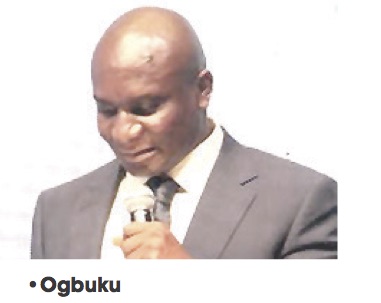
•Dr. Ogbuku, a man with the Midas touch