Follow Us on Google

JOE EFFIONG, UYO
Nigerians have been advised to effectively monitor senior secondary education if the recently resuscitated National Senior Secondary Education Commission (NSSEC) is to have any effect in repositioning the secondary education sector in the country.
Jennifer Sende, Principal, Federal Government College, Vandeikya, Benue State who said this in a lead paper: Resuscitation, Repositioning and Implementation of the National Senior Secondary Education Commission she presented to education stakeholders in South South Geo-political Zone at the weekend in Uyo, Akwa Ibom State, explained that secondary sector in Nigeria has suffered uncommon neglect leading to the emergence of exam malpractice centres as well as being nursery bed of vicious cultism.
Sende said before the resuscitation of NSSEC, it had become apparent even to the education industry players that secondary schools in Nigeria were long5er safe nor ideal for children.
“The consequent neglect of these schools sustained the issues and rendered secondary education in Nigeria to the life of an orphaned and abandoned child – Whatever any school became was or is a product of its effort and not regulations.
“With the proliferation of schools for business, education has travelled farther down the drain. The sector continued to suffer neglect and lack of political will from the previous governments of Nigeria has not helped matters.’ She said.
The school principal said the seeming agitation for the resuscitation of the NSSEC became necessary because while primary and junior secondary levels were regulated by UBEC, colleges of education, polytechnics and universities regulated by National Commission for Colleges of Educations (NCCE), National Board for Technical Education (NBTE) and National Universities Commission (NUC), respectively, the gap for senior secondary school had been left wide.
“It is this apparent gap in regulation that gave rise to the many issues hitherto highlighted and thus the clamour for the resuscitation of the National Senior Secondary Education Commission (NSSEC).”
She praised the federal government for resuscitating the commission, an action she described as revolutionary in the education sector especially senior secondary education.
To properly situate the resuscitation and repositioning of Senior Secondary Education in Nigeria, she said there is a need for robust and effective monitoring and evaluation of the implementation of educational policies as well as the processes of education.
“There is a need to properly follow through ensuring the implementation of the Commission’s mandate. To this end, the Department of Standard and Quality Assurance of NSSEC if properly funded and requisite training of personnel will go a long way in carrying out the needed evaluation to fulfill its mandate.
“As such, a robust NSSEC, adequately funded and empowered is required. This will eliminate loopholes being exploited by some unscrupulous elements who make caricature of the education sector.” Sende said.
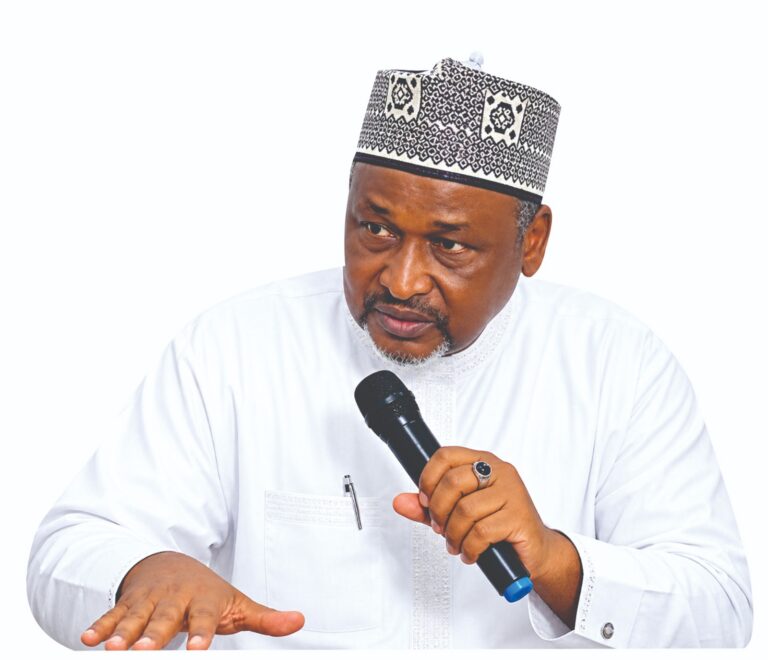
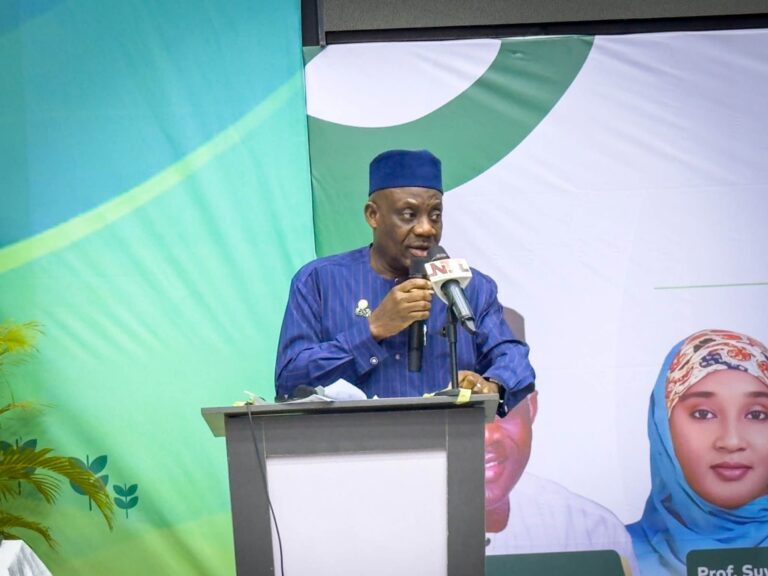
In his address, the executive secretary of NSSEC, Dr Benjamin Abakpa, said the commission serves as a regulatory and intervention agency for senior education in Nigeria, which expected collaboration and synergy with State Senior Secondary School Boards (SSSB) would improve the quality of senior secondary schools, especially, in the areas of science, technical, vocational and entrepreneurial education.
“The commission in its resolve to bring the relevant stakeholders on board, has embarked on a national advocacy and sensitization form in the six geo-political zones of the country to keep all abreast of its mandate and functions,” Abakpa said.
He appealed to all stakeholders to key into the vision and mission of the NSSEC and equally cascade the sensitization programme to all colleges and all relevant stakeholders to seek for support and acceptability of the commission towards the development of senior secondary schools in the country.