Follow Us on Google

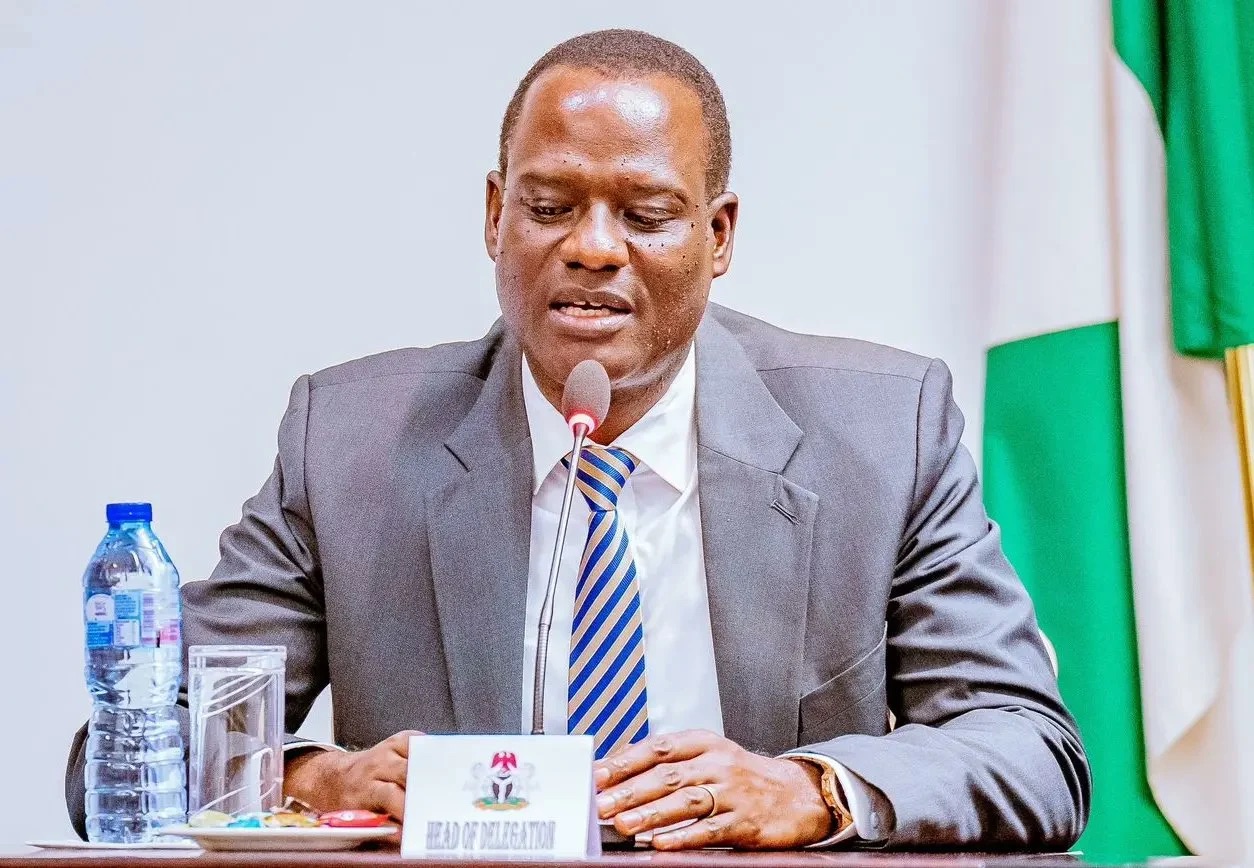
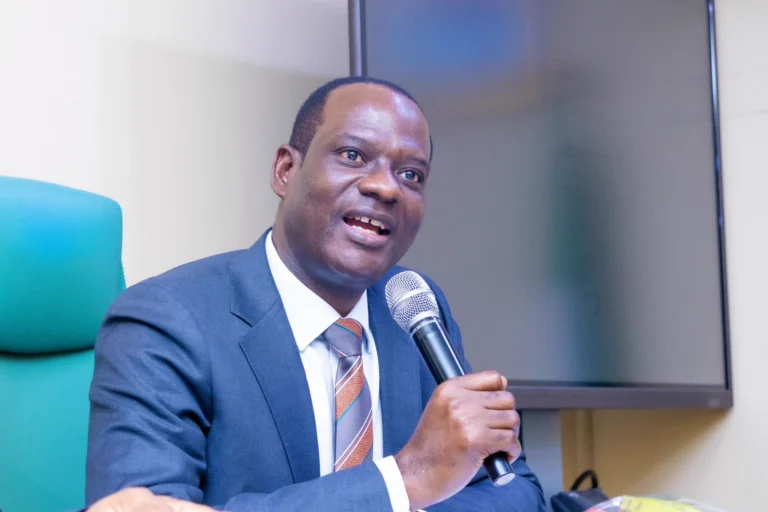
The Minister of Finance and Coordinating Minister of the Economy, Taiwo Oyedele, last week, stirred the hornets’ nest when he hinted that the Federal Government is mulling the idea of introducing five per cent tax on fuel and diesel. His stunning disclosure on the sidelines of the 2026 meetings of the International Monetary Fund (IMF) and the World Bank in Bangkok, Thailand, has put Nigerians yet again on edge, just as millions of the citizens are still reeling and riling from the government’s economic policies that have made cost of living unbearable. However, Oyedele added the fuel surcharge would not take place immediately early next year as widely speculated until the “economy stabilises, and incomes of Nigerians improve sufficiently” to accommodate the additional costs.
If implemented, the five per cent surcharge will be for every litre of fuel produced locally or imported. It includes a N500 levy for every N10,000 spent on fossil fuels and diesel under the Nigeria Tax Administration Act, which President Bola Tinubu signed last June. According to projections, the government would raise an estimated N796billion annually from the tax, which according to the Finance Minister, would be used to fund “road infrastructure and cushion future price shocks.”
The implementation of the tax will require a ministerial order published in Government’s Official Gazette. However, the proposed tax exempts cleaner alternative energy such as Compressed Natural Gas (CNG), Liquefied Petroleum Gas (LPG), also known as cooking gas, household kerosene, and renewable energy designed to nudge consumers away from fossil fuels. The debate over the proposed fuel tax has become a contentious issue ahead of the 2027 general election. It is also coming amid persistent concerns about the cost of doing business in the country, especially multiple taxation.
Surprisingly, the new fuel tax is coming despite the recent tax reform, which was aimed at simplifying revenue collection and eliminating illegal levies. Exactly nine months after the new tax laws purportedly consolidated more than 100 subnational taxes into nine revenue heads, abolished revenue roadblocks and prohibited cash collection, businesses continue to face significant fiscal and operational pressures.
According to the September 2026 Business Expectation Survey of the Central Bank of Nigeria (CBN), multiple taxation was identified, more than insecurity and interest rates, as the major constraint confronting effective business operation in the country. It may be recalled that the fear of further increases in prices of petroleum products that sparked resistance from Organised Labour in September 2025, during which the Trade Union Congress (TUC) rejected the proposed five per cent fuel surcharge and threatened nationwide industrial action.
The union had argued that additional levy on fuel would deepen economic hardship in the country, arising from the removal of fuel subsidy without providing adequate measures to cushion its impact. The contemplation of a fuel tax at this point in time is insensitive and should be shelved. The government should be thinking of how to improve the welfare of Nigerians and drastically reduce the rising cost of living in the country. The government should come up with other measures to revamp the economy instead of the new fuel tax. Over-taxing the people won’t solve any problem for the government.
We urge the government to jettison the new fuel tax proposal, whether the economy improves or not. We say this because the new fuel tax is anti-people and anti-development. It will never enhance the welfare of Nigerians. It will further impoverish them. It will increase the cost of transportation, food, house and daily needs of Nigerians. It will exacerbate the inflation rate.
Besides, the proposed fuel tax if not shelved, will strain Small and Medium Enterprises (SMEs). Already, many manufacturers are grappling with high credit costs, unreliable power supply, and expensive logistics that will further raise production costs and threaten their survival. More businesses will likely relocate to other neighbouring countries, while more foreign investors will exit the country. The argument that government will generate more revenues from the proposed fuel tax is lame and unsustainable. The government’s inability to explain how the subsidy windfall was utilised makes this line of thinking more porous and unbelievable.
The government should not overstretch the patience of Nigerians. The #EndSARS protests should serve as a rude awakening of how not to fan the embers of violence. Beyond the fuel tax proposal, we advise the government to address the myriad of problems that undermine businesses, production, investment and employment in the country. There is also urgent need to strengthen domestic industrial capacity.