Follow Us on Google

From Adesuwa Tsan, Abuja
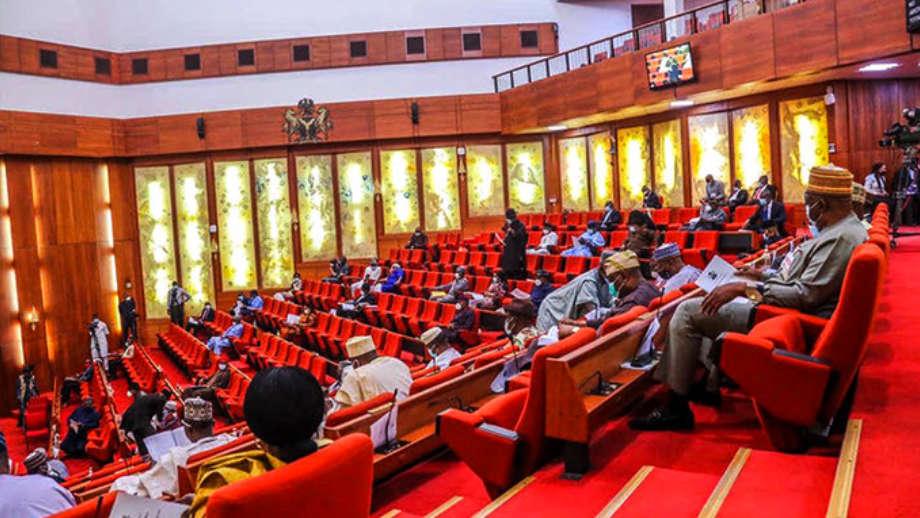
THESenate has called for stricter tenancy regulations, closer monitoring of short-let apartments and investigations into suspected human trafficking networks and recruitment agencies, as part of measures to curb the exploitation of Nigerians at home and abroad.
The upper chamber also demanded stronger enforcement of existing anti-trafficking laws and improved protection and rehabilitation of victims, particularly Nigerians trafficked to Libya and other destinations.
The resolutions followed consideration of a joint report by the Senate Committees on Diaspora and NGOs; Judiciary, Human Rights and Legal Matters; Foreign Affairs; and Special Duties on measures to protect Nigerians from trafficking, modern slavery and abuse abroad.
Presenting the report, Vice Chairman of the Diaspora Committee, Senator Anthony Yaro, said the committees had consulted relevant stakeholders and examined an earlier motion concerning the trafficking and exploitation of Nigerians in Libya.
The Senate consequently recommended a review and stricter enforcement of the Trafficking in Persons (Prohibition) Enforcement and Administration Act, 2015, and the Child Rights Act, 2003, alongside stronger investigation and prosecution of trafficking offences.
It urged the National Agency for the Prohibition of Trafficking in Persons (NAPTIP), Nigeria Police Force, Nigeria Immigration Service, Economic and Financial Crimes Commission (EFCC) and other relevant agencies to investigate suspected trafficking networks and travel agencies implicated in the recruitment and exploitation of Nigerians overseas.
The investigations, according to the lawmakers, should examine recruitment channels, financial transactions, travel arrangements and other evidence capable of exposing criminal networks and supporting prosecution.
The Senate also called for increased funding for NAPTIP and related institutions to strengthen investigations, prosecution, victim protection and rehabilitation.
It recommended a national protection and reintegration programme for rescued victims, to be coordinated by the National Commission for Refugees, Migrants and Internally Displaced Persons in collaboration with NAPTIP.
On international cooperation, the chamber urged the Ministry of Foreign Affairs to intensify diplomatic engagement with Libya, particularly on intelligence sharing, border management, dismantling trafficking networks and repatriation of victims.
Other News
However, the debate widened to security lapses within Nigeria when Senate President Godswill Akpabio recounted the abduction of three children in Akwa Ibom State, who were reportedly moved through Aba, Katsina and Lagos before being rescued as they were about to be trafficked to Ghana.
Akpabio disclosed that the children had been missing for 93 days before their rescue, commending the Inspector-General of Police and the Akwa Ibom State Police Command for their roles in recovering them.
He also pledged a university scholarship for the eldest of the rescued children.
The incident prompted calls for stricter tenancy regulations, including a “Know Your Tenant” arrangement and closer supervision of short-let apartments to assist security agencies in identifying and tracing suspects involved in trafficking and other criminal activities.
Former Sokoto State governor and former Speaker of the House of Representatives, Senator Aminu Tambuwal, recalled an earlier attempt to introduce tenancy registration legislation during his tenure as Speaker, which did not secure the required support at the state assembly level.
He cited Sokoto State as an example where a similar arrangement was subsequently introduced through a Rent Control and Management Commission.
Tambuwal urged other states to consider comparable measures to strengthen monitoring and accountability within the rental sector.
However, Senators Neda Imasuen, Babangida Hussaini, Adams Oshiomhole and Mohammed Aliero cautioned that the enactment of additional laws would not, on its own, end human trafficking without effective enforcement.
They called for stronger implementation of existing legislation, improved public enlightenment and employment opportunities to reduce the economic pressures that push Nigerians towards irregular migration and expose them to traffickers.
The lawmakers maintained that sustained cooperation among security agencies, state governments and relevant institutions was essential to dismantling trafficking networks and protecting vulnerable Nigerians.