Follow Us on Google
• FCT parents in season of struggle, resilience
From Charity Nwakaudu, Abuja
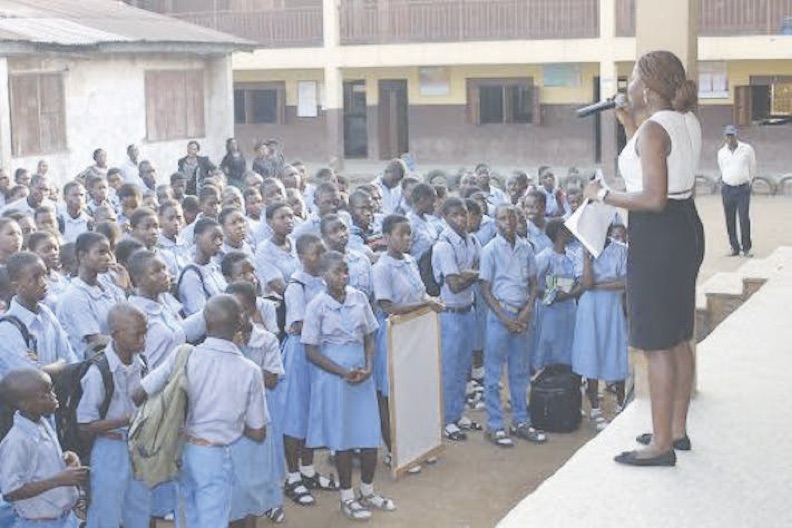
With the long break over, many would assume parents would be adequately prepared for their children’s school fees come September resumption in the Federal Capital Territory (FCT), Abuja. But the harsh reality on the ground is a far cry from that expectation.
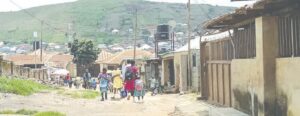
Economic hardship compounded by soaring rents, medical bills, foodstuff prices and others continue to make matters worse for families, throwing many into pains and chaos. Loveth Attah, a public servant and mother of three, voices a frustration shared by many parents: “Last year, we experienced increases in school fees, and transportation costs almost doubled.
“Now, we face the same challenge. Though petrol prices have not risen significantly, school materials have tripled in prices. Between school fees, transport and other costs, preparing my children to return to school has been an uphill battle.”
This sentiment is echoed by businessman, Chima Ikechukwu, of Kubwa Central Market: “Since the day my wife reminded me of the resumption, I have been sick. It’s a monetary sickness, constantly calculating how and where to get money. We have one child in secondary school and two in primary.
“New uniforms and supplies are needed and prices in the market are high. Even second-hand items cost more than new ones in some cases. I had to borrow heavily from friends just to cover some costs. I haven’t even paid transportation fees for my child in secondary school. The roads are bad and using normal transport would be risky and costly.”
Liliana Ugwu: “The calculation has finished me. For two weeks, I’ve been trying to manage with the little available money to send the children back to school. I stocked the kitchen because food prices are somewhat cheaper now, but tuition, books, transportation—those are what’s killing me.”
Madam Beauty, a mother of three: “I’m contemplating transferring my children to public schools because of the constant fee increases in private schools. But I fear the strikes that often disrupt learning there.”
Joyce Ameh from Dutse Alhaji: “Things are very tough. Though some food items have reduced in price, I am worried about meeting all the demands for school resumption. One thing that frustrates me most is the compulsory purchase of books each year, even when children have just passed a class and already possess those books. Is that not a waste of scarce resources? Government needs to look closely at this. It’s making life unbearable for parents.”
The burden of rising costs comes at a time when families are also grappling with other pressing expenses like rents, medical bills and maintaining their vehicles. Yet, not all parents are caught unprepared.
John Obed, a civil servant at the Ministry of Science and Technology, said: “I have always prioritised school expenditure. I anticipated the 2025 resumption despite the long break and have settled all fees and supplies. Many parents lament because they don’t not plan ahead.”
Anthony Osuji from Lugbe: “Although times are tough, we made education a priority. My husband and I have settled school fees and related costs, ensuring our children are ready for the new session.”
However, these stories of preparation are the exception rather than the rule. Many families in Abuja face sleepless nights and anxious days as they confront the triple challenge of school fees, uniforms and transportation costs amid Nigeria’s biting inflation and economic struggle.
Ifeoma Okoye: “My two sons’ school fees amount to over N1.2 million. With rising house rent, food prices and medical expenses, it has been very difficult to raise the money. Sometimes, we have to borrow just to meet payment deadlines.”
Moji Francis, a civil servant and father of three: “Nearly half of my monthly salary goes into school fees. By the time I add transport, uniforms and books, there’s little left for household expenses. Many parents are in the same position. It’s exhausting.”
School administrators understand the strains but stress the need for earlier resumption to stay on track academically. Collins Aondo, a private school teacher in Abuja, explained: “We need to finish the syllabus on time to prepare students for WAEC and NECO. The early start ensures students are not disadvantaged in exam preparation, even though parents may feel the financial pinch.”
The economic reality leaves little choice for many families. Some parents are withdrawing children from expensive private schools or seeking cheaper alternatives. The rising cost of everything, from tuition, transport, textbooks, uniforms to school supplies, forces these hard decisions.
Innovative responses have emerged in some quarters to alleviate the burden. For instance, the KNOwledge and SKills (KNOSK) School in Kuje, Abuja, introduced a daily payment system where parents pay as low as N100 per day for school fees. Supported by donor agencies and philanthropists, the school offers free books, uniforms, lunch and sanitary pads monthly for girls to children from low-income families.
Co-founder, Kingsley Bangwell, said: “Millions of Nigerian children miss school due to poverty. We wanted to provide an affordable option and work with ‘Education Angels’ to sponsor deserving children.”
Despite this, the broader picture remains challenging. The triple threat of inflated school fees, rising living costs and competing household demands creates a cycle of anxiety. For many parents in Abuja and beyond, school resumption is anything but a joyful occasion. It’s a season of struggle, resilience and hope against daunting odds.