Follow Us on Google
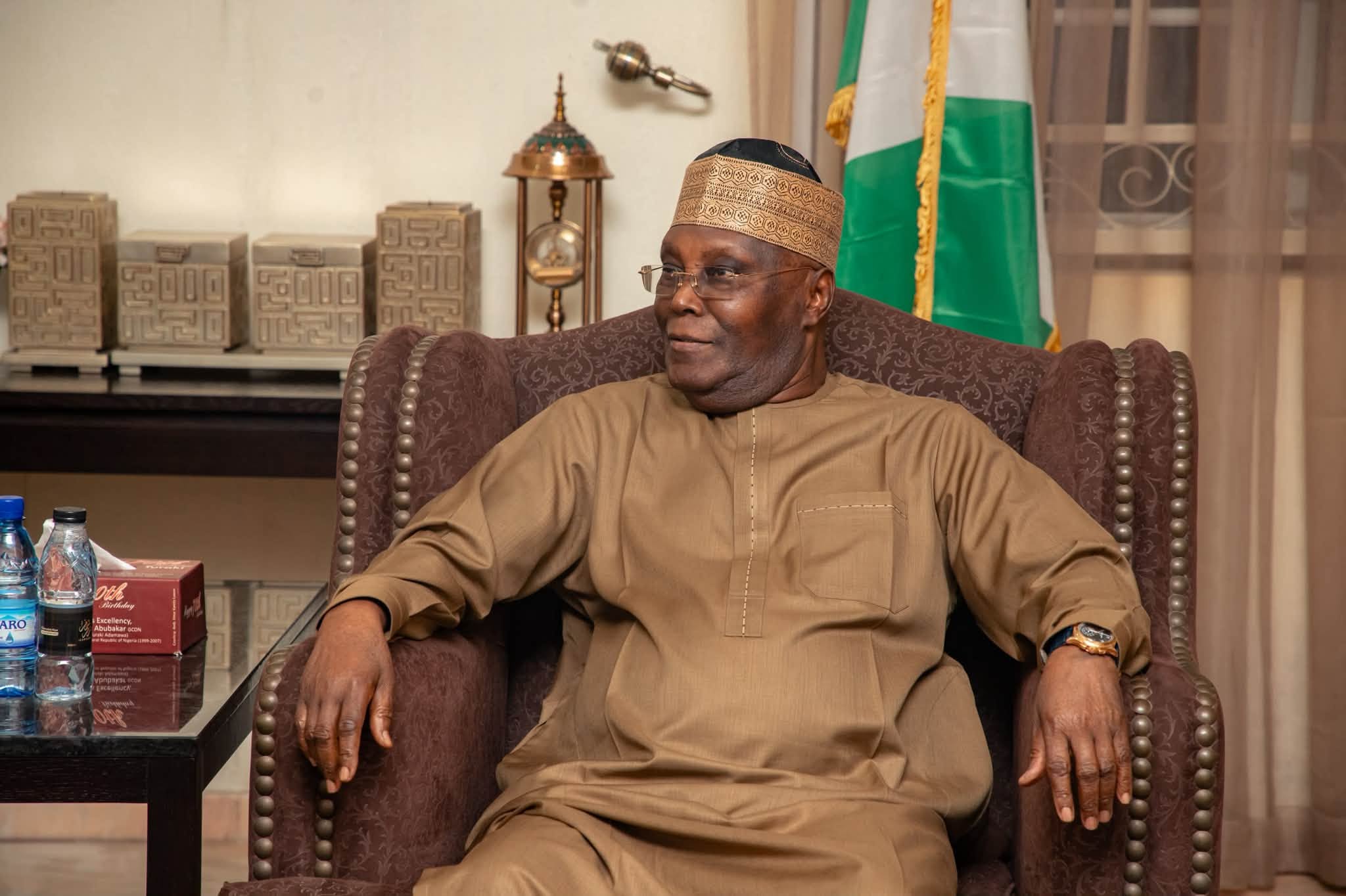
From Ndubuisi Orji, Abuja
African Democratic Congress (ADC) presidential candidate, Atiku Abubakar, has seized on a new SBM Intelligence survey showing that 67.4 per cent of respondents favour the restoration of petrol subsidy to renew his attack on President Bola Tinubu’s fuel policy.
Atiku said the finding represented growing public dissatisfaction with the impact of subsidy removal on transportation, food prices and household incomes, arguing that the government should reconsider its approach to cushioning Nigerians from high energy costs.
The Federal Government has, however, repeatedly ruled out a return to the old subsidy regime, insisting that its removal has strengthened public finances and freed resources for infrastructure, security, human capital and social protection. President Tinubu has maintained that reversing the policy would undermine the economic reforms undertaken since 2023.
SBM Intelligence’s Wave 2 Nigeria 2027 Voter Sentiment Tracker found that 67.4 per cent of respondents supported restoring petrol subsidy, while 19.2 per cent opposed it. Petrol was also the second-most cited national problem at 18.2 per cent and recorded the government’s lowest rating among the issues tested.
Reacting to the findings in a statement by his Senior Special Assistant on Public Communication, Phrank Shaibu, Atiku described the result as a “damning public verdict” on the administration’s handling of subsidy removal.
“This survey is no longer merely about economic policy. It has become a democratic question. When an overwhelming majority of Nigerians declare that a government policy is destroying their lives, responsible leadership must listen,” he said.
According to the former Vice President, the figures reflected the experiences of families struggling with food costs, workers spending more of their incomes on transportation, farmers facing higher logistics costs and businesses grappling with energy expenses.
“For three and a half harrowing years, Nigerians have suffered under Tinubu’s reckless ‘subsidy is gone’ experiment. Transport costs have exploded. Food prices have soared. Businesses have collapsed. Purchasing power has been destroyed, and millions of families have been pushed deeper into poverty,” Atiku alleged.
“The survey simply confirms what Nigerians already know: Tinubu’s fuel policy has caused far more harm than good.” Atiku also drew attention to variations in the survey, saying 32.4 per cent of rural respondents identified petrol as their primary concern, compared with 11.7 per cent among urban respondents.
He said petrol emerged as a leading concern in the South-West at 30.5 per cent and South-South at 29.1 per cent, which, according to him, demonstrated that concerns over fuel costs cut across different parts of the country.
Other News
Atiku accused the administration of removing subsidy without adequate arrangements for domestic refining, mass transportation, wage protection and small businesses dependent on affordable energy.
“President Tinubu removed subsidy with a slogan, not a strategy,” he said, arguing that the consequences had included higher transportation and food costs and weaker purchasing power.
The ADC candidate also criticised the administration’s reliance on macroeconomic indicators and its Compressed Natural Gas (CNG) programme as evidence that its reforms were working.
“Nigerians do not eat GDP figures. A mother cannot take FAAC allocations to the market. A worker cannot fuel his vehicle with presidential promises. Any economic reform that does not improve the lives of the people has failed,” he said.
Atiku said his alternative would focus on domestic production and targeted intervention to lower energy costs rather than expose households and businesses fully to market shocks.
He has proposed what he calls a “production subsidy” for locally refined petrol, arguing that support should be directed at domestic production rather than imported fuel.
The Presidency has challenged him to explain the legal, fiscal and operational basis of the proposal, including how it would be funded and implemented under the Petroleum Industry Act.
In its defence of subsidy removal, the Federal Government said the policy mobilised N15.8 trillion in resources for the federation between June 2023 and December 2025 and helped avert a deeper fiscal crisis. It has acknowledged that the reform imposed significant costs on households and businesses but maintains that restoring the previous subsidy regime would reverse the gains recorded.
Atiku, however, said the SBM findings strengthened his case for a different approach to fuel pricing and economic protection.
“The people have spoken,” he said, describing the 67.4 per cent finding as support for an alternative to the administration’s current policy.