Follow Us on Google
Reaffirms FG’s commitment to access to safe sanitation
From Charity Nwakaudu, Abuja
Vice President Kashim Shettima has projected that Nigeria’s sanitation economy could grow to $14.23 billion by 2030 if the country embraces innovation, stronger partnerships, and greater private-sector investment.
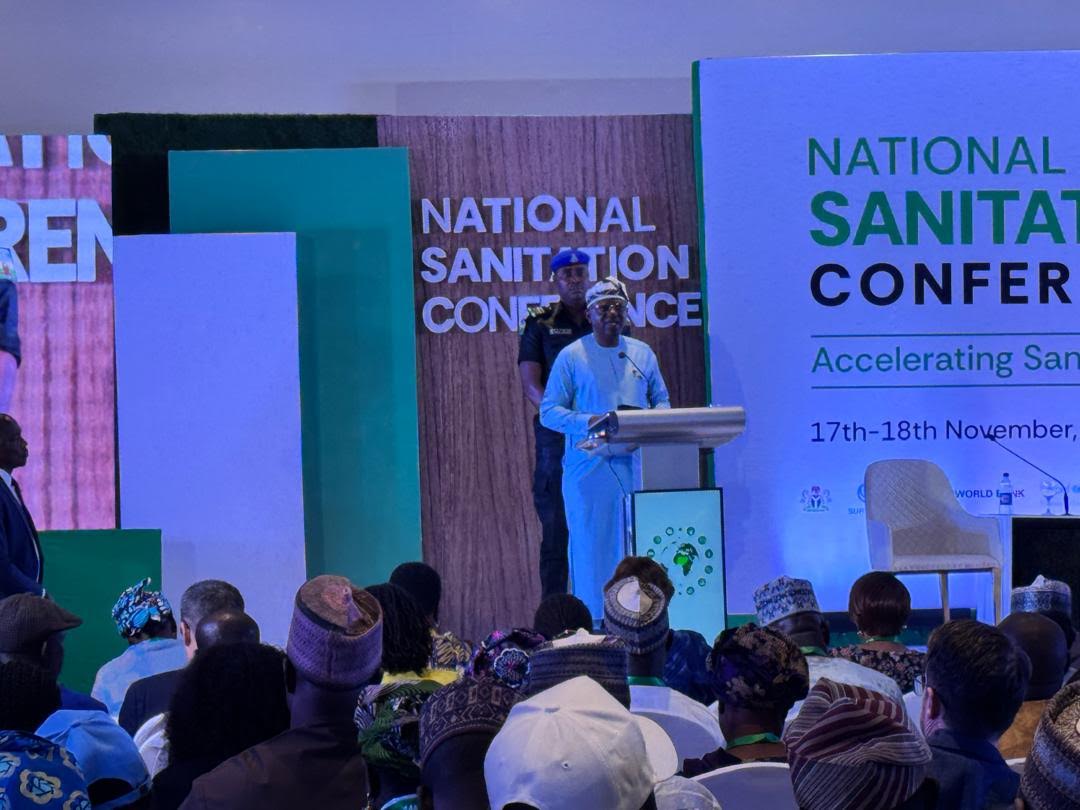
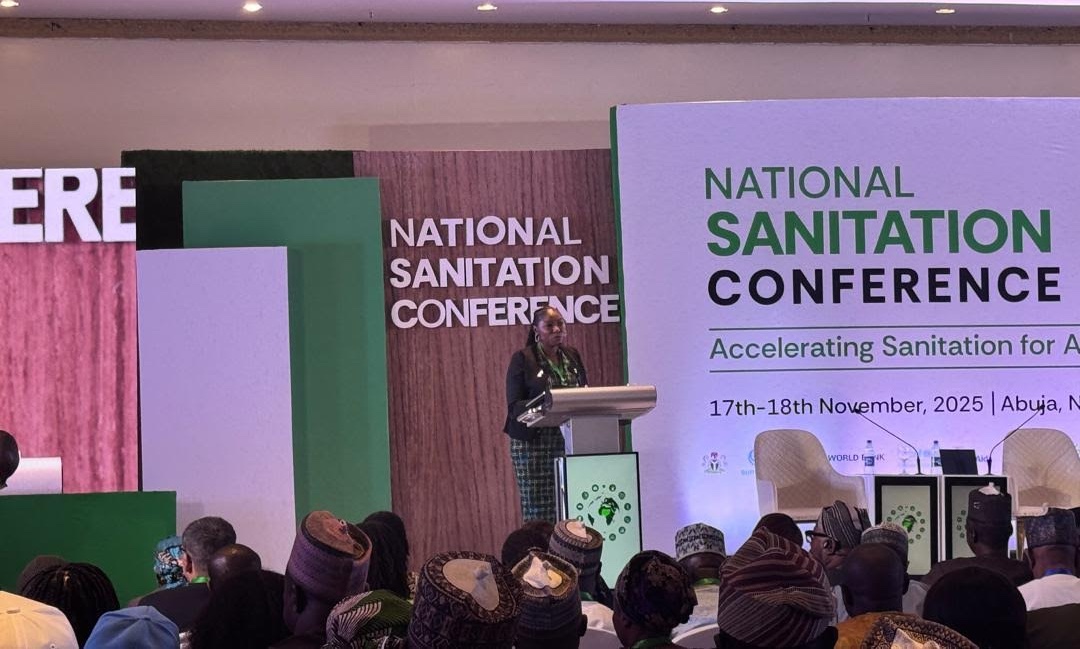
Speaking at the 2025 National Sanitation Conference in Abuja, Shettima, represented by the Senior Special Assistant to the President on Humanitarian Affairs, Inna Binta Audu, said the Federal Government remains committed to accelerating access to safe sanitation for all Nigerians.
He described the conference as timely, lamenting that millions of Nigerians still lack access to safely managed sanitation services despite sanitation being central to public health, human dignity, and national development.
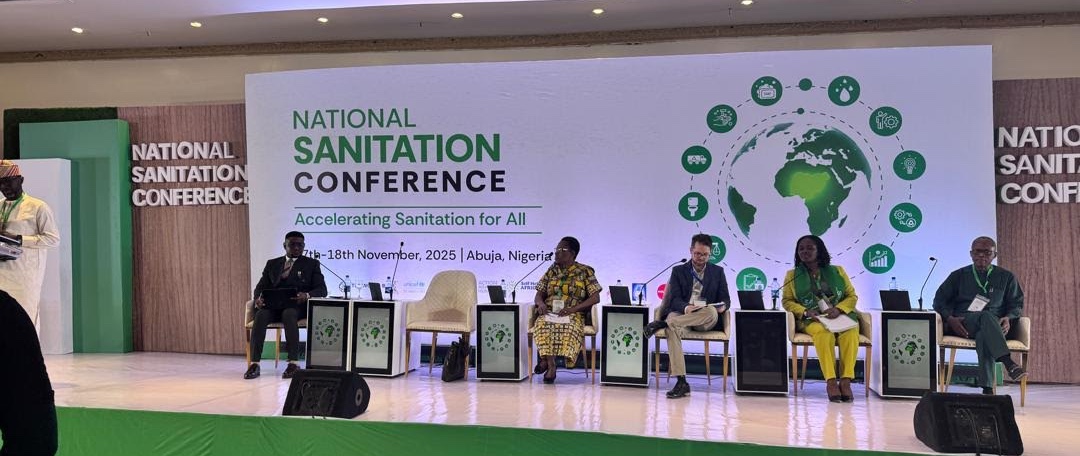
The Vice President raised concern over the rise in open defecation, saying it continues to endanger communities, contaminate drinking water, and weaken national productivity. He referenced a World Bank estimate which puts Nigeria’s annual loss to poor sanitation at $3 billion.
Shettima rolled out several government interventions aimed at boosting Water, Sanitation and Hygiene (WASH) services, including the National Action Plan, P-WASH, School and Health WASH, SOAR-WASH, and the Clean Nigeria: Use the Toilet Campaign.
He announced that 158 Local Government Areas across the country have now attained Open-Defecation-Free (ODF) status. He also applauded Katsina State for joining Jigawa as the second state to secure full ODF certification.
According to him, President Bola Tinubu’s administration has placed WASH at the centre of Nigeria’s development priorities, noting that the creation of the Federal Ministry of Water Resources and Sanitation demonstrates this commitment.
Other News
He urged state and local governments to take full ownership by domesticating national sanitation policies and investing in community-led solutions. He also called on the private sector to tap into emerging business opportunities in waste-to-wealth initiatives, sanitation marketing, and green technologies.
Beyond government action, the Vice President stressed the need for citizens to embrace behavioural change, saying sustainable sanitation depends not just on infrastructure but also on mindset and community responsibility.
Reaffirming Nigeria’s commitment to meeting SDG 6.2 by 2030, Shettima said the Federal Government will continue to scale up financing, strengthen partnerships, and push implementation to guarantee universal access to safe and dignified sanitation services. He urged participants to turn the conference discussions into concrete action.
Earlier, the Minister of Water Resources and Sanitation, Prof. Terlumun Utsev, described sanitation as a key driver of national prosperity. He noted that sanitation goes beyond infrastructure — it is a cornerstone of human development and productivity.
He said the conference, convened under President Tinubu’s Renewed Hope Agenda, aims to provide a national platform for dialogue, innovation, and partnerships to fast-track progress on sanitation.
Also speaking, Nigeria’s WASH Ambassador, Ebele Okeke, said sanitation is fundamental to human dignity, public health, and national development.
“As the WASH Ambassador for Nigeria, I remain wholeheartedly committed to advocating for inclusive and sustainable sanitation and hygiene practices, especially for women, children, and vulnerable groups,” she said.