Follow Us on Google
By Fidelis Ugbomeh
Abuse of drugs and illicit substances along Nigerian Railway Corporation’s corridors and its effect on addicts roaming around the tracks has remained a source of concern to the public.
Looking at railway corridors along Iddo, Oyingbo, Yaba, Oshodi, Agege, Iju and Agbado among others, it is common place to observe males/females (some cuddling their babies) either sitting or standing in clusters at night/day times while smoking and exchanging illicit drugs.
Oftentimes, the activities of these elements and their cohorts within the system, despite restricted access and periodic raids, have led to collision and untimely deaths, disruption of train service, exchange of harsh words/blows and pockets of arrests/prosecutions of culprits by security operatives.
All these, perhaps, informed management’s decision to join the global community to create awareness on danger of drug abuse across its corridors and workplace.
During the recent campaign to commemorate this year’s “International Day Against Drug Abuse and Illicit Trafficking”, managing director of the corporation, Dr. Kayode Opeifa, declared zero-tolerance against the act.
Opeifa in a statement said that, as a corporate body responsible for moving millions of people and critical freight across the country, drug abuse remains a public health concern.
He pointed out that the corporation maintains zero-tolerance policy on abuse of drugs and illicit trafficking across railway corridors: stations, workshops and operational facilities
“We are strengthening collaboration with National Drug Law Enforcement Agency, Federal Road Safety Corps, Nigerian Railway Police and the in-house unions to ensure railway corridors are not used for trafficking of banned and illicit substances,” Opeifa said.
He enjoined staff struggling with use of illicit substances to access confidential support channels for counselling, adding that seeking help is a sign of strength and responsibility.
The managing director also advised staff and host communities to choose life over drugs and safety over risks.
Other News
Decarbonisation journey
In a separate development, the managing director of the NRC noted that rail transportation is a strategic national asset that promotes economic growth, environmental sustainability, regional integration and social inclusion.
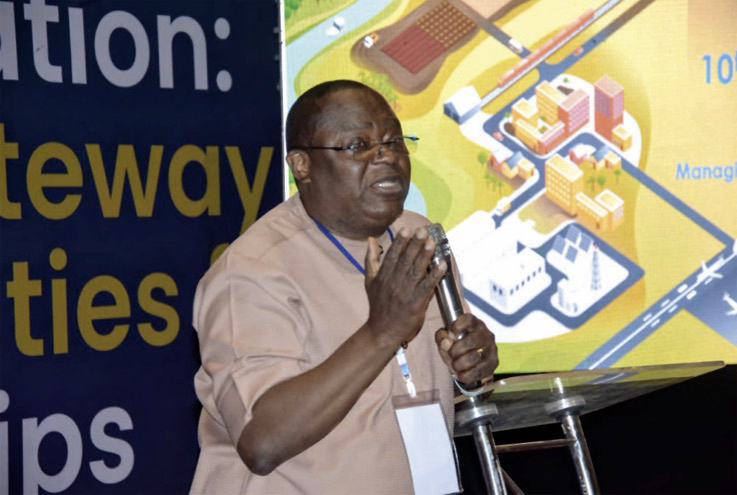
He made this remark recently at 10th Nigeria-European Union Business Forum, themed “Accelerating Nigeria’s Rail Decarbonisation Journey Through Sustainable Investment”.
According to him, rail remains one of the cleanest and most energy-efficient modes of transportation.
“By strengthening our railway network, we can significantly reduce carbon emissions, ease congestion on our highways, lower logistics costs, improve passenger mobility and stimulate industrial and commercial activities across Nigeria,” Opeifa said.
He reaffirmed that the corporation was committed to building a modern, efficient, safe and environmentally sustainable railway system adding that management was pursuing reforms that would strengthen rail infrastructure, improve operational efficiency, enhance freight services and attract greater private sector participation through sustainable investment models.
The NRC boss stated that the corporation was open partnerships that support railway modernization, green technologies, renewable energy integration, digital rail systems, capacity-building, and innovative financing that would unlock the full potential of Nigeria’s railway sector.
“Sustainable transportation is no longer an option; it is a necessity. As we work towards achieving our national development objectives and global climate commitments, investment in rail infrastructure will remain one of the most impactful decisions we can make for future generations”, he declared.
Opeifa enjoined investors, development finance institutions, technology providers and strategic partners to join in transforming Nigeria’s railway sector into a resilient, competitive and low-carbon transportation network that supports inclusive economic development to support ongoing initiated to modernize the country’s rail system in line with global best practices.
He said further that partnerships stakeholders can accelerate Nigeria’s rail decarbonisation journey, strengthen regional connectivity, create jobs, facilitate trade, and build a more sustainable future for the country.
The European Union’s Global Gateway initiative presents a unique opportunity to deepen collaboration between Nigeria and international partners.