Follow Us on Google

From Ndubuisi Orji, Abuja
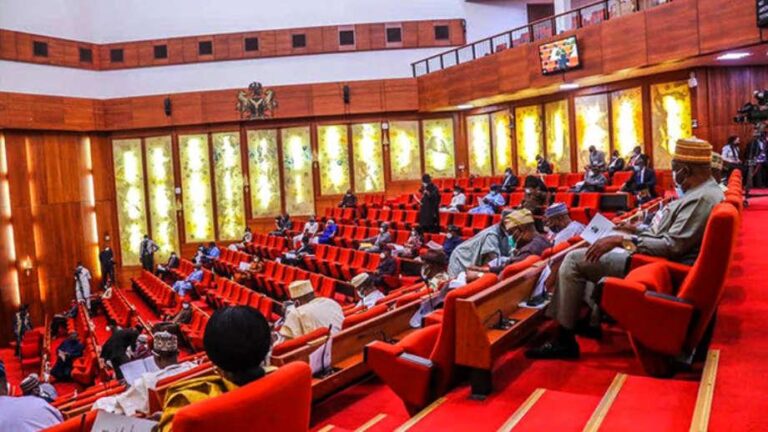
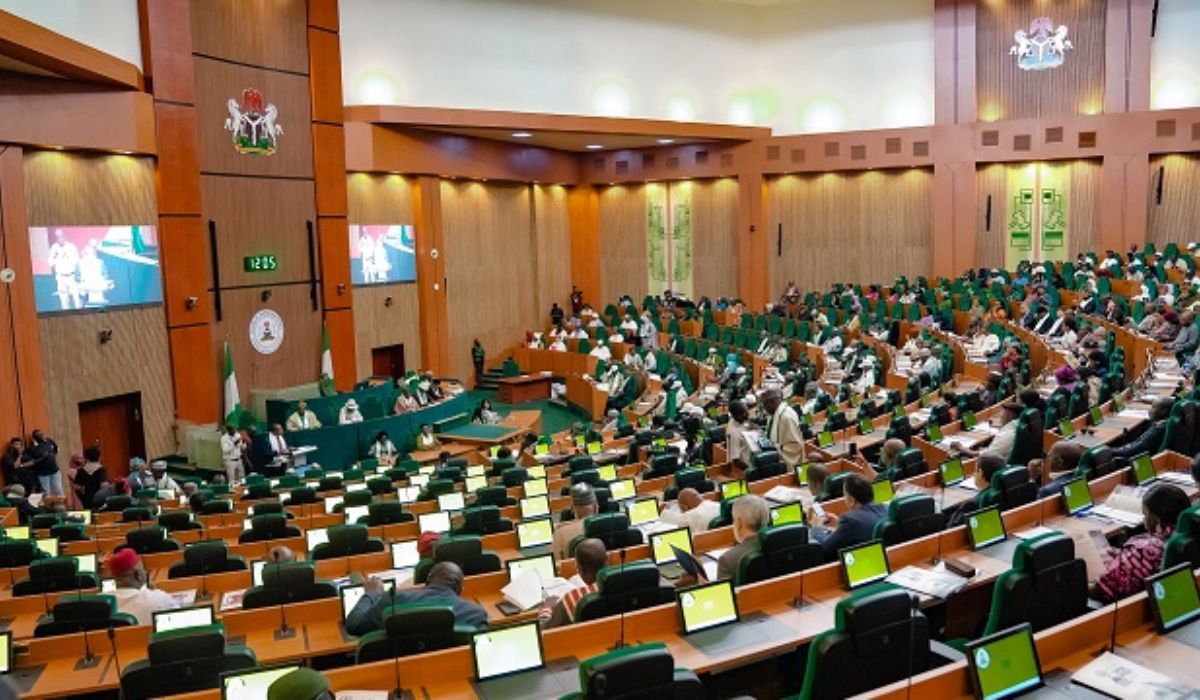
The House of Representatives has called for the suspension of recent increases in school fees by public tertiary institutions across the country, warning that the development could undermine the Nigerian Education Loan Fund (NELFUND) and deny students from poor families access to higher education.
The House also called for a comprehensive regulatory framework for the importation of electric vehicles (EVs), Compressed Natural Gas (CNG) vehicles and related infrastructure, insisting that government incentives must be tied to investments in maintenance facilities, spare parts, technical capacity and other critical infrastructure.
The resolutions followed the adoption of two separate motions at plenary, sponsored by Ifeoluwa Ehindero and Ademorin Kuye, respectively.
In the motion on school fees, the House urged the Federal Ministry of Education and the National Universities Commission (NUC) to engage the management of public tertiary institutions with a view to suspending recent increases in tuition and other mandatory charges.
It also called for a comprehensive review of tuition structures to reflect prevailing economic realities, while urging the Federal Government to consider increasing subventions to public tertiary institutions to reduce their dependence on internally generated revenue through student charges.
The lawmakers mandated the House Committees on University Education, Federal Polytechnics and Higher Technical Education, and Federal Colleges of Education to investigate the extent and justification of recent fee increases across public tertiary institutions.
Leading debate on the motion, Ehindero expressed concern over what he described as widespread increases in school fees and other compulsory charges by universities, polytechnics and colleges of education, noting that some institutions had raised their fees by more than 100 per cent. He argued that the increases were allegedly implemented without adequate consultation or consideration of the economic difficulties confronting Nigerian families.
According to him, the development threatens the sustainability of NELFUND, which was established to provide financial assistance to students who might otherwise be unable to afford tertiary education.
“The NELFUND loan scheme was designed based on existing tuition benchmarks and institutional cost structures, and arbitrary or sudden hikes in fees by institutions threaten to undermine the sustainability, equity, and effectiveness of the loan programme.”
Ehindero warned that allowing the increases to continue unchecked could place additional pressure on the student loan scheme and worsen educational inequality.
“If allowed to continue unchecked, these fee increments may create significant disparities in the allocation of education loans, crowd out students from less affluent backgrounds, and frustrate the objectives of NELFUND in bridging access to higher education,” he added.
Other News
In a separate resolution, the House urged the Federal Government to establish a transparent and competitive licensing framework for the commercial importation of electric vehicles, CNG-powered vehicles and associated clean mobility equipment.
It directed the National Automotive Design and Development Council (NADDC), in collaboration with the Bureau of Public Procurement (BPP), Standards Organisation of Nigeria (SON), Nigeria Customs Service (NCS) and other relevant agencies, to develop objective qualification criteria for import approvals.
The lawmakers also called for the establishment of certified vehicle service and maintenance centres, adequate supplies of genuine spare parts, warranty support and investment in EV charging stations and CNG refuelling facilities across the country.
The House further urged the government to link tax incentives, import duty concessions and other fiscal benefits to compliance with the proposed regulatory framework, with a view to encouraging sustainable investment in local infrastructure.
It specifically asked the NADDC to “maintain a public register of approved importers and infrastructure providers to enhance transparency and consumer confidence and ensure that the approval process remains open, competitive, transparent, and non-discriminatory so that any qualified company that meets the prescribed standards may obtain approval without undue preference.”
The House mandated its Committees on Industry, Commerce, Gas Resources, Environment and Legislative Compliance to monitor implementation of the resolutions and report back within four weeks for further legislative action.
Moving the motion, Kuye noted that the Federal Government had introduced policies and fiscal incentives to encourage the adoption of electric, CNG and Liquefied Petroleum Gas (LPG) vehicles as part of its energy transition and economic diversification programmes.
He said the incentives, including import duty and tax reliefs, were intended to attract investment in cleaner transportation technologies and the infrastructure required to support their deployment.
According to him, the success of the policy would depend on the availability of charging facilities, CNG refuelling stations, maintenance centres, spare parts, technical expertise and reliable after-sales services.
Kuye argued that the absence of a clearly defined regulatory framework could undermine the objectives of the government’s clean mobility initiative.
“Nigeria has the opportunity to encourage local investment, technology transfer, employment generation, and domestic value addition by linking import incentives to measurable investments in infrastructure and technical capacity,” he said.