Follow Us on Google
From Ndubuisi Orji, Abuja
The House of Representatives has directed the Minister of Finance, Wale Edun and the Governor of the Central Bank of Nigeria (CBN), Yemi Cardoso, to furnish it with detailed report on Federal Government’s financial interventions to states and local government areas, out of their statutory federal allocations, from 2023 to date, within two weeks.
The report is expected to contain the nature of each intervention, amount disbursed, dates of disbursement, recipient and conditions attached, if any.
The House also mandated its Committees on Finance, Inter–Governmental Affairs and Public Accounts to scrutinise the report, when submitted and engaged relevant stakeholders to ensure there has been transparency, accountability and value for money in the utilisation of the funds. The joint committee is expected to report back to the House within four weeks for further legislative action.
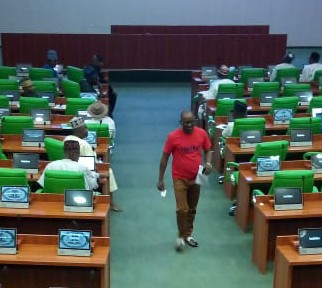
This was sequel to the adoption of a motion by Abdussamad Dasuki at yesterday’s plenary, calling for details of the Federal Government intervention to states and local government areas in the last two years.
Dasuki, in his motion, informed the House that the Federal Government, in addition to the statutory monthly allocations, which is disbursed through the Federation Account Allocation Committee (FAAC), has been providing different kinds of states and local government areas.
The lawmaker explained that the interventions are aimed at supporting the sub-nationals to address fiscal challenges, as well as support their development initiatives. According to him, the interventions include budget support facilities, infrastructure funds, ecological and emergency relief grants and other discretionary or conditional support mechanisms.
Nevertheless, Dasuki stated that while the interventions are crucial to addressing specific financial and developmental needs at subnational levels, the absence of a comprehensive record of the intervention may hamper transparency and public accountability.
He said: “Without detailed information on the nature, amounts, beneficiaries and intended purposes of these interventions, it becomes difficult for the legislature to evaluate their effectiveness, monitor utilisation and ensure alignment with national development objectives.”