Follow Us on Google

By Uche Usim
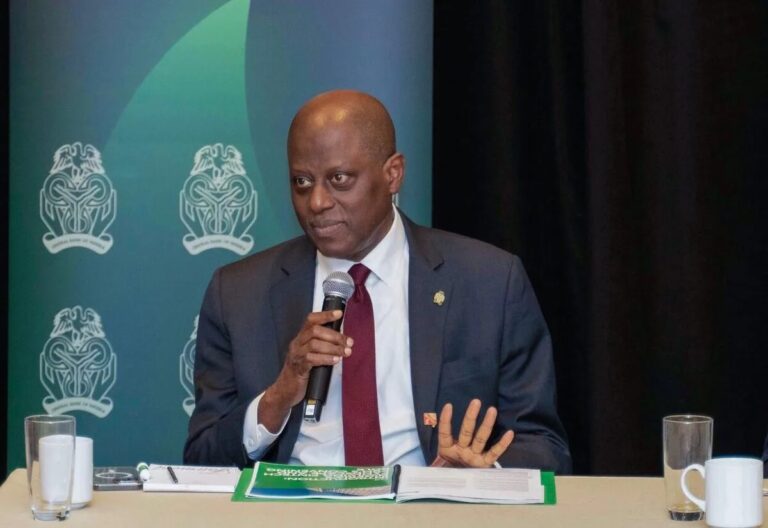
Central Bank of Nigeria (CBN) Governor, Mr Olayemi Cardoso, on Tuesday, declared that Nigeria’s financial and monetary reforms have strengthened the economy’s ability to withstand external shocks and restored investor confidence.
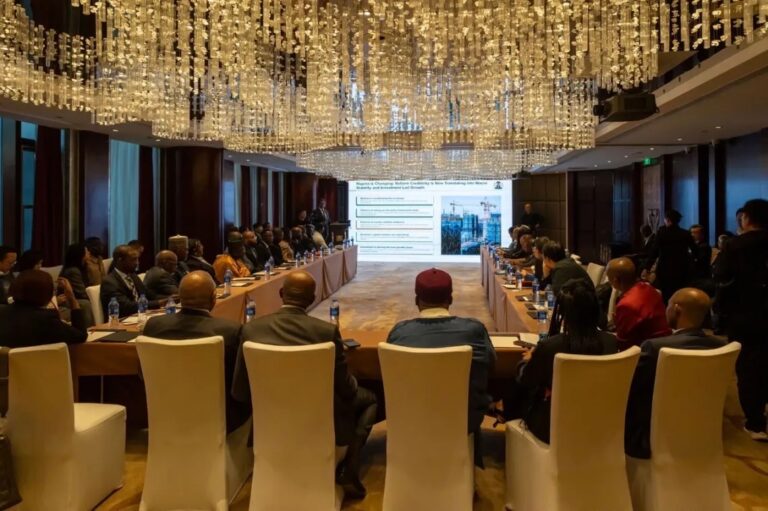
Speaking at the Africa Capital Forum in London, held alongside President Bola Tinubu’s state visit to the United Kingdom, Cardoso highlighted the transformative impact of disciplined policy measures and institutional reforms across the financial sector.
“We have created stronger capacity to withstand shocks,” Cardoso told investors and development partners. He noted that the CBN’s reforms have made the foreign exchange (FX) market more transparent and liquid, with a new FX manual eliminating many restrictive capital controls and simplifying trade and investment procedures.
Cardoso also unveiled plans for a new Payments System Vision for Nigeria, aimed at positioning the country as a regional leader in digital and cross-border payments. “We are working to ensure that Nigeria becomes a hub for fintech innovation, where digital financial solutions support inclusion and efficiency,” he said.
He reported progress in the ongoing bank recapitalisation drive, saying more than 30 banks have met new capital requirements, with verification ongoing for others. “About 28 per cent of recapitalisation investment came from foreign sources, reflecting renewed confidence in Nigeria’s financial system,” he noted.
The CBN Governor highlighted the growing importance of diaspora remittances in diversifying foreign exchange reserves, which has helped cushion the economy against global volatility. “Our focus is to protect the stability we have achieved so investors and stakeholders can plan with confidence,” he said.
Other News
Emphasising transparency, Cardoso said the CBN under his leadership would remain open, provide continuous communication, and raise expectations for institutional performance to avoid past errors. He stressed collaboration with fintech operators to remove regulatory bottlenecks and drive financial inclusion across the continent.
Cardoso also underscored the critical link between fiscal and monetary authorities, noting that the presence of fiscal representatives on the CBN Board and Monetary Policy Committee “ensures coordination essential for sustainable growth.”
He pointed to concrete outcomes of the reforms, citing declining inflation, exchange-rate stability, and a more robust banking sector. “These reforms position Nigeria for significant growth, supported by domestic investment, oil-sector reforms, and renewed global trust,” he said.
The Governor added that the CBN is reviewing policies to establish a predictable framework that reduces discretion and provides clarity for investors. “We will continue to maintain stability in inflation and the FX market through transparency and consistent reporting,” he said.
Cardoso concluded that Nigeria has transitioned from stabilisation to capital mobilisation, making the country “an economy to watch closely” as its growth drivers expand and its banking system becomes one of Africa’s strongest.
Through these reforms, Cardoso affirmed, Nigeria is laying the foundation for a resilient, inclusive, and globally competitive financial system capable of weathering shocks while inspiring confidence among domestic and international stakeholders.