Follow Us on Google
From Adanna Nnamani, Abuja
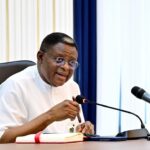
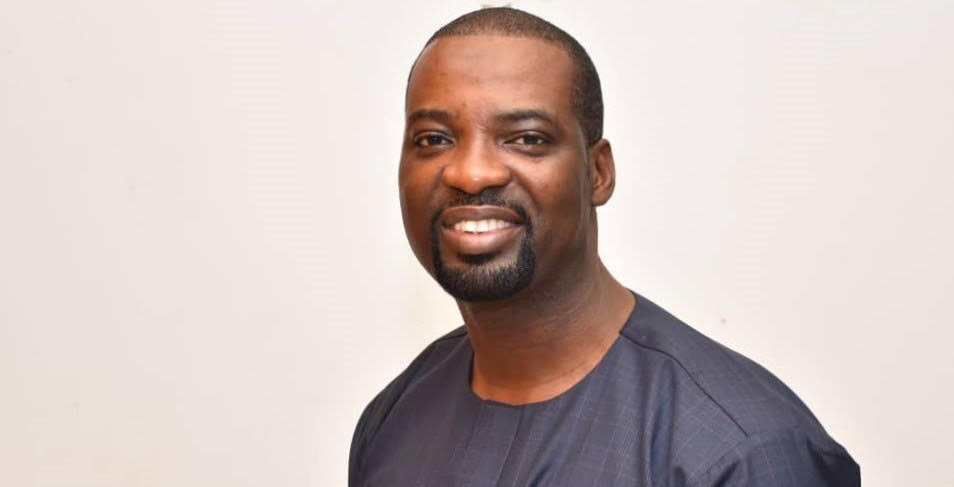
Mining governance and economic transformation expert Dr Ola Bello has stated that Nigeria stands at a critical juncture in developing its mining sector, with significant untapped potential waiting to be transformed into prosperity.
However, he noted that this transition requires bold reforms, collaborative efforts, and strategic thinking to overcome systemic challenges.
In a statement on Wednesday, Bello, who is the Executive Director of Good Governance Africa (GGA), outlined the critical changes needed in regulation and stakeholder actions to unlock the immense potential of Nigeria’s mining sector.
He referenced extensive fieldwork research recently conducted by his team in Zamfara and other areas in Nigeria’s Northwest, highlighting the devastating impact of illegal mining activities and how these operations have caused severe harm to local communities.
“Nigeria’s predicament in the mining sector mirrors that of an abuse victim. While the country projects the image of a potential great power—aspiring to emulate mining leaders like Australia and Canada—its governance, regulatory framework, and situational awareness remain comparable to struggling resource-dependent states like the Central African Republic or the Democratic Republic of Congo,” he lamented.
Bello proposed several reforms, including constitutional amendments, strengthening data sovereignty, clearly defining and regulating artisanal and large-scale mining operations, and adopting an integrated strategy to address the challenges.
Other News
According to him: “To align Nigeria’s mining governance with global best practices, the constitution must be amended to allow states a greater role in resource management. A revenue-sharing model could allocate 50% to the federal government, 33% to producing states, 10% to non-producing states, and 7% to local communities. These revenues should be ring-fenced for strategic investments in geological surveys, technical capacity building, and community development projects.
“Nigeria must assert control over its geological data, ensuring that all partnerships prioritise the country’s sovereignty. Joint survey efforts should be conditional on hosting, ownership, and access rights remaining with Nigeria.
“Clear distinctions must be drawn between artisanal and large-scale mining operations, with stringent enforcement of regulations. Artisanal mining, while inevitable, must be formalised to protect livelihoods while curbing exploitation and environmental damage.
“The solid minerals ministry must work closely with the power ministry and other key stakeholders to develop affordable and sustainable energy solutions for mining operations. A designated Minister of Solid Minerals and Structural Economic Transformation could ensure cross-sectoral coordination for industrialisation. This coordinating minister would lead the alignment of mineral and industrialisation strategies with supportive clusters in infrastructure, power, and manufacturing.”
Bello also emphasised the need for Nigeria to play a leading role in advancing dialogue on strategic minerals and green energy within well-coordinated value chain partnerships with global superpowers such as China, as well as middle powers like Turkey and the UAE.
“The time to act is now. Nigeria’s vast mineral resources can no longer remain a curse of exploitation and missed opportunities. With constitutional reforms, strengthened institutions, and a commitment to global standards, the mining sector can become a cornerstone of Nigeria’s economic transformation,” he concluded.