Follow Us on Google
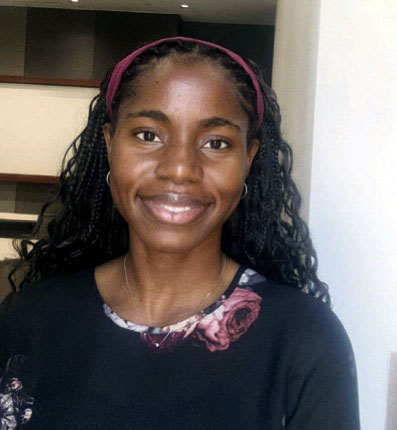
By Chinemenma Umeseaka
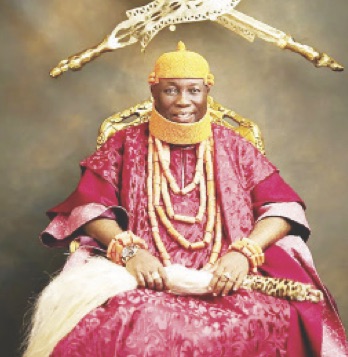
Some men are born into kingship, some are groomed into kingship, and some are born and groomed into kingship. His Royal Majesty, Obi Professor Epiphany Azinge, OON, SAN, the Asagba of Asaba, a senior advocate and Officer of the Order of the Nid encapsulates the latter to the letter.
I must begin by properly greeting the Asagba in a manner befitting his royal office: “Nna Agu! Nna Agu! Nna Agu!” In recognising the Asagba as the Father Lion, I must now begin my reflections.
Born on 13th November 1957 into royalty, the Asagba not only went on to attain sound education and embody the cultural heritage of his ancestors, but also amassed the intellectual know-how that has prepared him over the years for the kingship and service to his people and humanity at large.
When Providence, in October 2024, made Professor Epiphany Azinge the 14th Asagba of Asaba — some months after the death of his predecessor, Obi Professor Joseph Chike Edozien Umuezei CFR, JP, who reigned as Asagba from 1991 to 2024 — he ascended the ancient and revered throne, charging the ambience of Asaba and the entire Delta State with renewed hope because his coronation was not just the crowning of a new king, but also one that ushered a new way of leadership with a touch of cultural, social, and developmental innovation.
This October, it will be two years since Obi ascended the royal stool of his ancestors, and in that time, the evidence of the peace and progress associated with his reign is there for all to see. One would not be surprised at the speed with which he is bringing development to his people and positioning Asaba in its rightful place at the state and national levels.
The 137-page book, titled ‘His Royal Majesty Asagba Prof. Epiphany Chigbogu Azinge: A Chronicle of 365 Days of Enduring Legacies’, authored by Victor Amuwah, Ndubuisi Biosah, and Tony Unokanjo, and published in 2025, gave us a better understanding of the Obi’s life, coronation, reign, and the legacies he might leave behind. The Obi’s cultural heritage and traditional governance that the book portrays highlight his proven leadership philosophy, royal endeavours, and socio-economic initiatives aimed at developing Asaba better than he met it.
The Obi’s royal disposition and conviction in people-focused leadership were best encapsulated in his own words: “If I am not all about the development of Asaba, what will that make me as the Asagba?” A commentator and an observer of his reign noted that this profound question “Reveals a monarch who regards the crown not as a symbol of privilege but as a covenant with his people.”
Also, the Obi was quoted as having said, “The progress and wellbeing of Asaba must always supersede friendship, personal interests or individual considerations. Leadership demands that the common good comes first.” This brave statement has been attributed to his personal conviction and the moral foundation of his reign.
I have witnessed this conviction of Obi Professor Azinge. As someone who has served in government, as the Special Adviser on Teenage Matters to former Abia State governor, Dr Okezie Victor Ikpeazu, I can recognise leaders who espouse the true tenets of people-oriented leadership.
As a diplomat and travel journalist, in late April of this year (2026), I facilitated a cultural exchange between the Obi and Honourable Desmond Mahayei Kargobai, a chieftain from Sierra Leone. I must admit that the cultural exchange truly portrays the royal and intellectual qualities of the Obi. The exchange enabled him to inspire and influence other traditional leaders to use their thrones for higher awareness, impact, and achievement. He showed that he is a great leader amongst many leaders, ‘Eze ka ibe ya’.
It was a great honour organising such bilateral exchange between the two esteemed traditional leaders, and it is an initiative that I hope to push to the Economic Community of West African States (ECOWAS) to involve and engage African traditional rulers as part of a curative development for Africa. I believe that in Africanising our traditional institutions, we can achieve the Africa of our dreams.
Since becoming king, the Asagba stressed the importance of according more recognition and power to the traditional institution and leaders to enable them to foster peace, progress, and prosperity for their people. I believe he demonstrates this admonition not by perceiving the throne as merely a seat, but also as a duty to change the way people see the traditional institution and leadership.
Traditional leadership is not an easy endeavour. As a former governor’s aide, I have witnessed the pain and sacrifice associated with leading and managing people. I have also believed that — as leaders, especially traditional leaders — leadership should go beyond economic and political positions, to deep-rooted values that will enable people and society to sustain what is handed over to them.
But the Asagba is not a king that is new to traditional, political, or organisational leadership. Before becoming king, he held a traditional chieftaincy title of the Okilolo of Asaba, and has served in many national and international capacities. So, leadership for him combines intellect, wisdom, and service honed through decades of professional experience and love for his people. This is why his vision for Asaba goes beyond preserving customs. He made this clear when he said, “We must make Asaba the capital city of our dreams — a city that upholds its cultural identity while embracing development.”
His love for cultural heritage, unity, and community development led him to initiate plans for a Cultural Heritage Centre that will serve as a museum, research hub, and cultural tourism site. He has also initiated partnerships with the Delta State government and the Federal Government to attract new institutions, promote education, and improve infrastructure. He captured this in his words: “Asaba must be more than an administrative capital. It should be a place of innovation, discipline, and development that inspires all Deltans.”
As I pen these reflections, the seasonal movie, ‘Game of Thrones’, came to mind. Some of the moving lines in the movie worthy of quoting are: “Winning a kingdom and ruling a kingdom are rather different things”, “Power resides where men believe it resides”, and “There is nothing in the world more powerful than a good story. Nothing can stop it.”
The Obi has demonstrated that he has what it takes to rule his people, his people whose power resides in him. And who has a better leadership story than the Obi, who within two years as the Asagba of Asaba, has impacted his ancestral land and people more than was expected of him and is building an enduring legacy for generations to come.
With more decades of glorious reign that Obi Azinge’s obiship promises, Asaba and its people deservedly hope and anticipate more from his wisdom and leadership. And with his track record and wisdom, I believe he will not fail his people.
On this note, I wish His Royal Majesty, Obi Professor Epiphany Azinge; his wife, the Okpoho Eze, Dr Valerie Azinge, SAN; the entire royal family; and the people of Asaba a happy and memorable second anniversary celebration of his obiship as the Asagba of Asaba.
Nna Agu! Nna Agu! Nna Agu! Long live the Obi! May his reign be peaceful and prosperous!
• Chinemenma Umeseaka, diplomat and travel journalist, writes from Lagos.