Follow Us on Google

By Chukwuma Umeorah
Nigeria’s Securities and Exchange Commission (SEC) has taken a leading role in spearheading the recapitalization of the banking sector, aiming to strengthen financial.
As the primary regulatory body overseeing the development and regulation of this market, the SEC’s role in facilitating the success of these initiatives is both critical and indispensable.
The Strategic Importance of the Exercise
Recapitalization is a crucial process where banks increase their capital to meet regulatory requirements, improve financial stability, and expand their lending capabilities. For Nigeria, a country striving to boost economic growth and attract foreign investment, a strong banking sector is imperative. The SEC, under the leadership of Dr. Emomotimi Agama, recognizes this and in June, launched a comprehensive framework to guide the recapitalization process.
This framework is not only designed to ensure compliance with the Central Bank of Nigeria’s (CBN) capital requirements but also aims to deepen the capital market by encouraging banks to raise funds through rights issues, private placements, and other approved methods.
SEC’s Framework and Its Impact
In March 2024, the CBN issued a directive that significantly raised the minimum capital requirements for Nigerian banks. Banks with international authorization now need to have a capital base of N500 billion, national banks require N200 billion, and regional banks must reach N50 billion. The SEC’s recapitalization framework, which covers the period from 2024 to 2026, aligns with these directives and provides a clear pathway for banks to meet these targets through capital market activities.
“The framework’s emphasis on transparency and efficiency is designed to mitigate potential challenges such as share price dilution and increased debt servicing costs. By facilitating a smooth and transparent capital-raising process, the SEC is working to enhance investor confidence and promote better risk management practices within the banking sector,” the Commission explained.
Commitment to Prompt Approval and Streamlined Processes
One of the critical ways the SEC has demonstrated its commitment to the success of the recapitalization process is through the prompt approval of capital-raising offers submitted by banks. At the 2nd Post-Capital Market Committee (CMC) press briefing recently held in Lagos, Agama revealed that in the primary market, the SEC had already approved nine new issuances amounting to a total of N1.228 trillion within the year alone. “This swift approval process not only reflects the SEC’s efficiency but also underscores its dedication to ensuring that banks have timely access to the capital they need to meet the new regulatory requirements,” he stated.
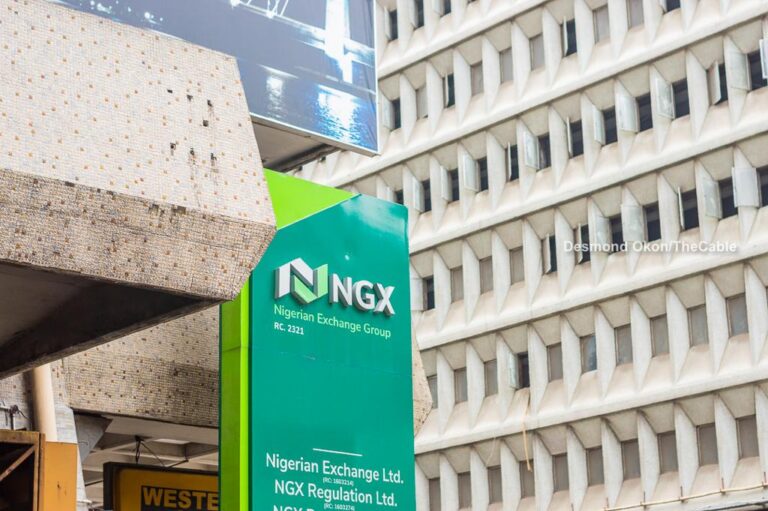
Moreover, the SEC’s collaboration with the Nigerian Exchange Limited (NGX) has further streamlined the capital-raising process. Through the approval and subsequent launch of the NGX digital platform, NGX Invest in July, the SEC has simplified the process for investors to purchase shares of banks and partake in other primary offers. This platform has been a game-changer in making the investment process more accessible to a broader segment of the population, particularly the tech-savvy generation, which makes up almost 70 per cent of the nation’s population, thereby increasing participation in the capital market.
Supporting Banks Through Flexibility and Collaboration
Understanding the challenges that banks may face in meeting the new capital requirements, the SEC has also shown flexibility by granting extensions for offers when necessary. For example, the extension granted to Fidelity Bank during their combined offer allowed more time for their capital-raising efforts. This was a clear indication of the SEC’s willingness to support banks through the recapitalization journey.
Similarly, Access Bank has been granted extension for their offer. This approach not only aids the banks in successfully meeting their targets but also ensures that the recapitalization process is as inclusive and accommodating as possible.
Other News
Agama also stated that in addition to these efforts, “the SEC’s rulebook allows banks to absorb an additional 15 per cent of the oversubscribed portion in the event that an offer is oversubscribed. However, as a commission, we are open to opportunities that exist. If we discover that there is a good reason for the absorption of more than the stipulated portion, then there may be considerations. The laws are there, and we must obey them. We would have a discussion and ensure that opportunities are provided, especially when it is regulatory-induced,” Agama explained.
Continuous Engagement and Stakeholder Involvement
A large extent of the success of the recapitalization process so far has been underpinned by the SEC’s continuous engagement with key stakeholders, including the CBN, NGX, capital market operators (CMOs), shareholders’ associations, investors, and the media. These engagements have ensured that all parties involved are aligned with the goals of the recapitalization process and are working together towards a common objective. Regular consultations and feedback sessions have allowed the SEC to address concerns, adjust strategies where necessary, and maintain transparency throughout the process.
Agama assured that by fostering a collaborative environment, the SEC has been able to navigate the complexities of the recapitalization process while ensuring that the interests of all stakeholders are adequately represented and protected.
Driving Economic Growth Through Increased Lending
A key objective of the recapitalization initiative is to increase the lending capacity of banks, particularly to vital sectors such as agriculture, manufacturing, and infrastructure. By enabling banks to underwrite larger projects, the SEC believes that the banking sector can play a pivotal role in driving Nigeria’s economic growth. For example, recapitalized banks are expected to support major infrastructure projects that are essential for economic diversification and development.
Moreover, the recapitalization process is expected to attract foreign investments by presenting Nigerian banks as stable and well-capitalized institutions. This influx of capital can further deepen the capital market, leading to a more robust financial system that supports long-term economic stability. All of these align with the objective of the Commission.
Challenges and Mitigation Strategies
Despite the positive outlook, the recapitalization process is not without its challenges. The potential for share price dilution, increased debt servicing burdens, and the complexities of raising large amounts of capital in a volatile economic environment are significant concerns. However, the SEC, in collaboration with the CBN, has introduced measures to address these challenges. For instance, the framework allows for a phased approach to capital raising, giving banks the flexibility to manage their capital requirements over time. Besides the CBN gave a 2-year window for the exercise availing the banks the required time.
Additionally, the SEC is promoting the use of technology to address issues such as unclaimed dividends, which have been a persistent problem in Nigeria’s capital market. By leveraging technology, with initiatives such as the E-dividend self-service portal and the proposed mobile application among others, the SEC aims to improve transparency and efficiency in dividend payments, thereby enhancing overall market confidence.
Agama stated that beyond that, “The Commission is also using the Capital Market Radio to spread the ‘gospel of investment’ to the public, NYSC orientation programs, and collaborating with the Nigerian Educational Research and Development Council (NERDC) to inculcate the capital market into the curriculum of schools among other viable efforts.”
Long-Term Benefits and Economic Implications
The long-term benefits of a successfully recapitalized banking sector are manifold. A more stable banking sector will not only boost investor confidence but also increase the banks’ ability to support large-scale economic projects. This, in turn, can contribute to the creation of jobs, the growth of key economic sectors, and the overall development of the Nigerian economy.
Furthermore, the SEC’s efforts to deepen the capital market through the recapitalization process are expected to encourage more companies to list on the Nigerian Exchange Limited, thereby expanding the market’s capacity to support economic growth. If successfully implemented, it will position Nigeria’s banking sector as a key driver of the country’s journey towards becoming a trillion-dollar economy by 2030.