Follow Us on Google
By Chinwendu Obienyi
While Nigerian interest rates have fallen, there remains skepticism that these levels are sustainable or appropriate given the high inflation rate.
Hence, economic experts have suggested that Nigerian rates might need to rise further to effectively combat inflation and promote stable growth.
According to them, market liquidity and government debt considerations may lead to lower rates in the short term, creating a potential disconnect between policy goals and market dynamics.
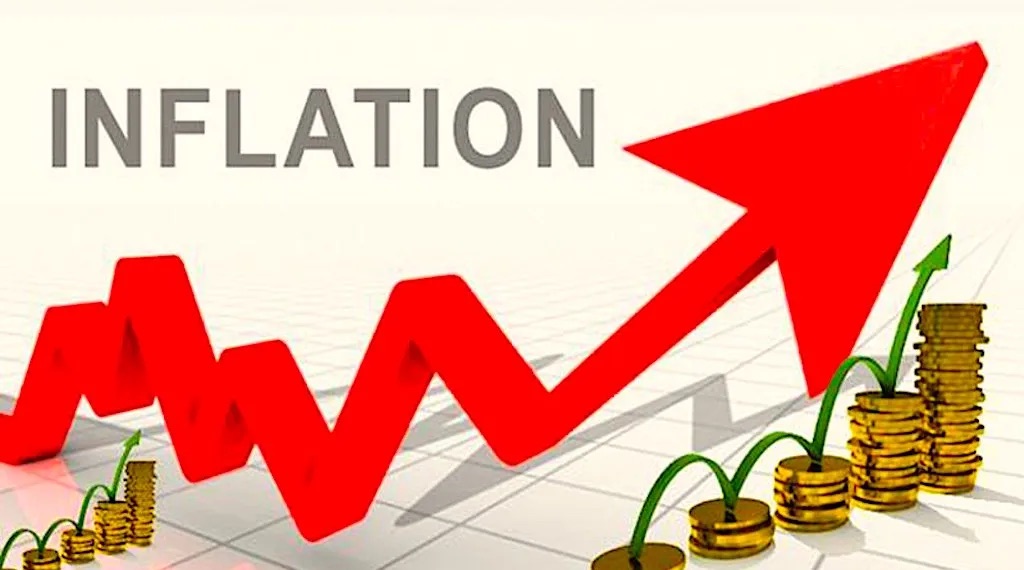
Inflation which had been on the rise, slightly declined from 34.19% in June to 33.40% in July, and market interest rates—specifically Treasury bill (T-bill) yields—have also fallen sharply, with average T-bill yields dropping by 397 basis points to 21.21%.
This in turn has created a situation where risk-free market rates (such as those from T-bills) are significantly below inflation levels. Currently, the spread between inflation and 1-year risk-free rates is nearly 12 percentage points.
International comparisons reveal that most countries have interest rates above inflation to ensure domestic stability, promote saving, and attract foreign investment. However, in Nigeria, the current market rates are below the inflation rate, which could signal that rates are still too low for proper inflation control.
Other News
A key factor for the decline in market yields is the high liquidity observed in the recent T-bill and FGN bond auctions, where a limited volume of government bonds was offered, pushing rates downward.
According to a coronation research report, August saw a big rally in the Federal Government of Nigeria (FGN) bond and Treasury bill (T-bill) markets, with average yields in the T-bill market declining by 397 basis points (bps) to 21.21% per annum (pa).
The technical reason for this was a high level of liquidity at August’s T-bill and FGN bond auctions, combined with a small volume of FGN bonds offered.
They noted that the monetary authorities are able to influence Naira market interest rates via the auctions, and it appears that they are happy with market rates moving downwards, even though they raised the Monetary Policy Rate (MPR) from 26.25% to 26.75% in July.
There is a belief among business leaders that high interest rates can stifle economic growth. However, Economic expert and Head, Research at Coronation Research, Guy Czartoryski argued that countries like Ghana, Kenya, and Indonesia, which have much higher market interest rates than inflation, still project strong economic growth.
Czartoryski said, “Some business people argue that high interest rates kill off growth. Yet there is little evidence of this. Ghana has higher market interest rates than Nigeria yet it has comparable economic growth prospects for 2024. Two countries forecast to enjoy high GDP growth this year, Kenya and Indonesia, have 1-year risk-free rates much higher than their respective inflation rates. We argue that getting inflation under control is the key to strengthening markets and encouraging investment.
Although this argues for putting Nigerian market interest rates up, it does not follow that they are headed that way. We sense that Naira market liquidity remains strong, that the monetary authorities are not minded to issue more government debt (debt servicing costs are an issue) and we may see rates moderate further”.