Follow Us on Google
By Ndubuisi Orji, Abuja
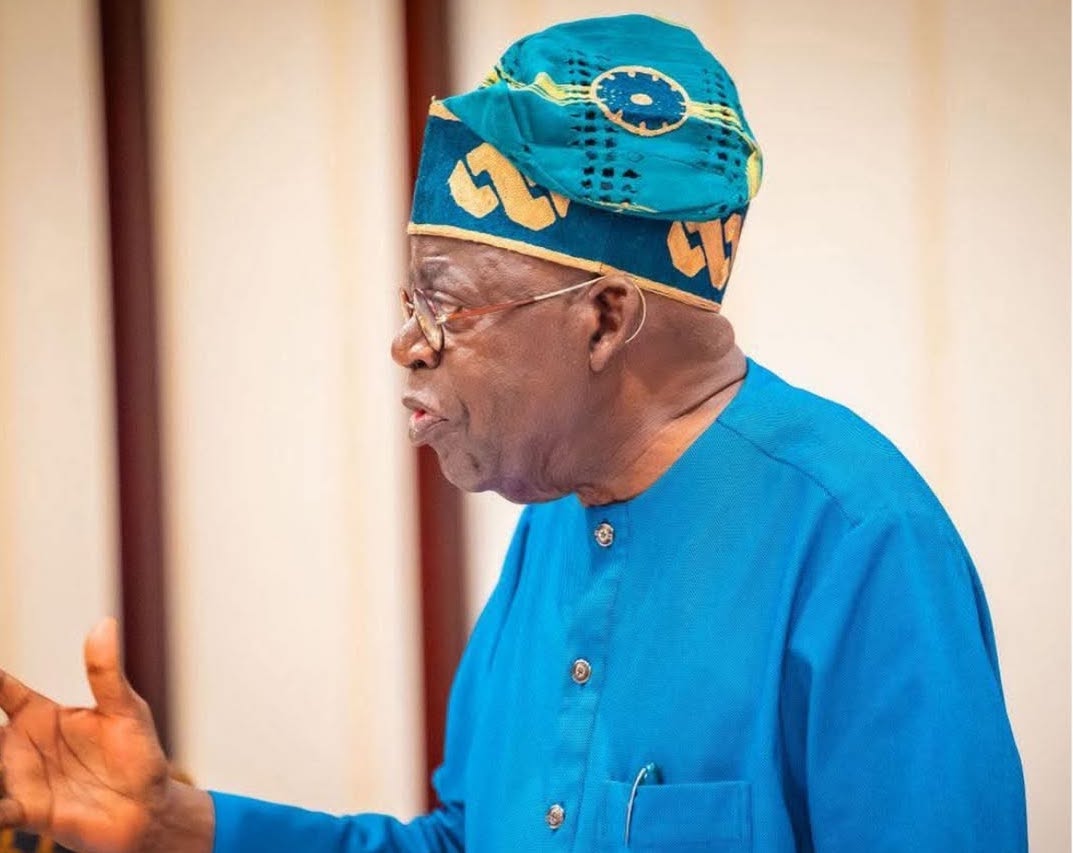
President Bola Tinubu and the All Progressives Congress (APC) are facing an unprecedented legislative mutiny in the House of Representatives as a wave of fury triggered by the just-concluded party primaries has turned the Green Chamber into a political minefield, threatening to derail critical executive agendas before the current assembly winds down.
Daily Sun has gathered that more than 60 incumbent members of the House of Representatives, drawn from various political parties, have crashed out of the 2027 race.
The mass casualty has created a volatile “lame-duck” bloc of aggrieved, politically wounded lawmakers who now hold the leverage to frustrate future executive requests from the Presidency, including crucial external loan approvals, constitutional amendment bills and other statutory instruments.
The scale of the primary election carnage does not have precedence in Nigeria’s democratic history. While the upsets cut across party lines, the devastation was most severe within the ruling APC, where state governors and party machinery ruthlessly swept away some of the chamber’s most experienced institutional heads.
The most striking casualties of the internal party purge are the House Leader, Julius Ihonbvere (APC, Owan Federal Constituency, Edo State) and the immediate past Deputy House Leader, Peter Akpatason (APC, Akoko Edo Federal Constituency).
Their simultaneous electoral defeat does not merely represent personal political setbacks; it effectively decapitates the APC’s institutional leadership on the floor and throws the power dynamics of the incoming 11th House into total chaos.
Inside sources revealed to Daily Sun that Ihonbvere was already being positioned as a formidable contender for the Deputy Speaker position, assuming the ruling party zones the legislative leadership configuration.
His elimination at the primary stage completely erases him from the equation, leaving a leadership vacuum that party strategists had not anticipated. The geographic spread of the casualties underscores a systemic, nationwide purge of incumbents.
in Imo State, three federal lawmakers lost their tickets, namely, Emeka Chinedu (Ahiazu/Ezinihitte), Mariam Onuoha (Onuimo/Okigwe/Isiala Mbano) and Chike Okafor (Ehime Mbano/Ihitte Uboma/Obowo).
In Benue State, a staggering six of 10 APC members failed to secure return tickets. In Lagos State, the President’s political base was not immune, as seven of the state’s 24 representatives were rejected at the primaries.
In Borno State, three lawmakers failed to secure their party’s nod. In Plateau and Rivers states, Daniel Asama and Ajang Alfred lost out in Plateau, while Umezuruike Munachim fell in Rivers.
In Delta and Cross River states, Ngozi Okolie (Delta) and Akiba Bassey (Cross River) both lost their reelection bids. The desperation of the cycle was perfectly mirrored in Edo State, where Esosa Iyawe (Oredo Federal Constituency) engaged in a dizzying political dance across the LP, APC, NDC and back to the APC, only to ultimately be denied a return ticket.
Other News
Meanwhile, in Anambra State, APGA’s Dominic Okafor (Aguata Federal Constituency) lost his primary, while Deputy Minority Whip George Ozodinobi (Anaocha/Njikoka/Dunukofia) reportedly withdrew from the NDC ticket race.
Adding to the bitter undercurrents, three Rivers State lawmakers, Awaji Inombek Abiante (Andoni/Opobo/Nkoro), Boma Goodhead (Akuku Toru/Asari Toru) and Anderson Igbiki (Okrika/Ogu/Bolo), were barred completely by the APC from participating in the primaries. This preemptive disqualification has deepened the animosity brewing within the chamber.
Rather than going quietly into the night, the defeated lawmakers have launched a coordinated pushback. Daily Sun reliably gathered that the APC National Secretariat is currently flooded with formal petitions and appeals against the primary outcomes.
Because the party’s leadership has yet to deliver final verdicts on these high-stakes disputes, insiders warn that the battle for survival would quickly spill over into the law courts, keeping the APC in a state of perpetual legal anxiety ahead of the 2027 general elections.
Not all departures from the Green Chamber were driven by defeat; a significant faction of veteran lawmakers voluntarily vacated their seats to chase higher executive portfolios.
House Minority Leader, Kingsley Chinda (Obio/Akpor Federal Constituency, Rivers State) has clinched the APC’s gubernatorial ticket in Rivers State, shifting his political weight from the floor to the campaign trail.
Similarly, Jonathan Gbewfi, chairman of the House Committee on Solid Minerals, gunned for the Nasarawa State governorship under the Labour Party (LP) while PDP Caucus chairman, Fredrick Agbedi, has opted to exit the House to run for a senatorial seat in Bayelsa State.
Conversely, the fluid nature of the chamber is highlighted by two dramatic political comebacks. Former Minority Leader, Ndudi Elumelu and former Minister of State for Labour and Employment, Nkeiruka Onyejeoch, both influential principal officers of the 9th House who lost their 2023 reelection bids, have successfully clawed their way back, securing the APC’s primary tickets for 2027.
Should they win the general election, the return of Elumelu and Onyejeocha is expected to trigger a fierce, high-stakes battle for the principal offices of the 11th House, given their historical ambitions for top-tier legislative leadership.
As the APC’s national secretariat struggles to manage the mountain of appeals, the immediate reality remains perilous for the executive arm of government.
The primary outcomes have proven that incumbency in the House offers very little protection against the whims of state governors and entrenched party structures.
With 60 lawmakers realising they have nothing left to lose, the internal balance of power has shifted. For President Tinubu, passing critical national policies through a bruised and resentful legislature over the next few months will require intense political horse-trading or risk complete executive gridlock.