Follow Us on Google
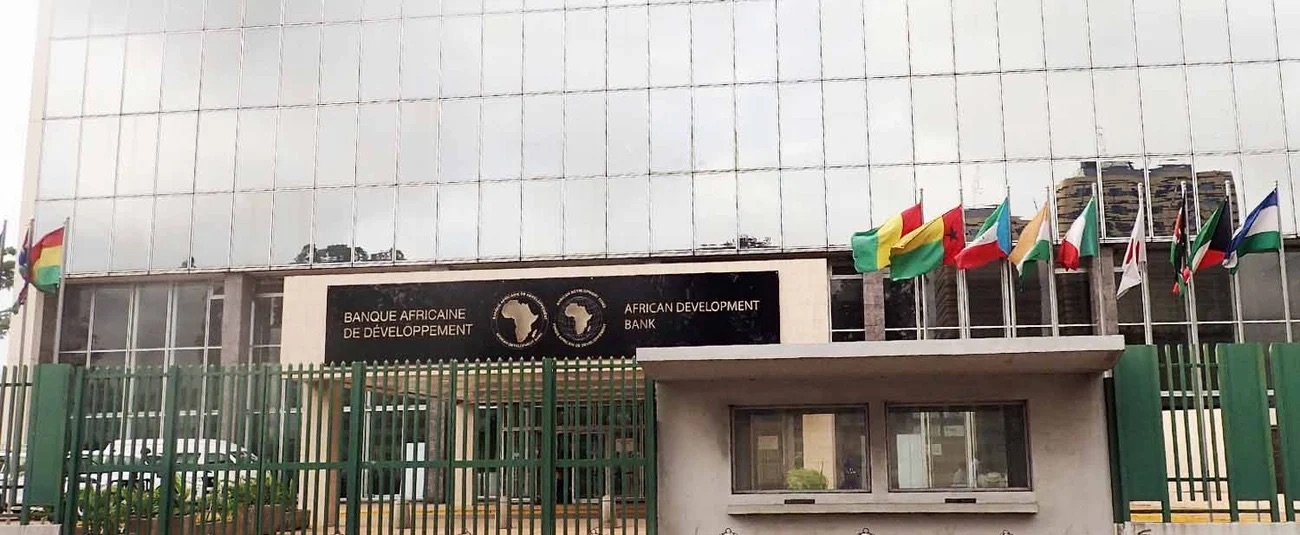
Nigeria’s chronic electricity shortages are exacting a growing toll on businesses, with more than 70 per cent of firms now relying on generators and power disruptions wiping out an estimated three per cent of annual sales, according to the African Development Bank Group.
The disclosure, contained in the bank’s 2026 African Economic Outlook report, underscores how unreliable public infrastructure is quietly inflating the cost of doing business in Africa’s largest economy while eroding productivity and investor confidence.
“Electricity outage losses amount to three per cent of annual sales in Nigeria, and because of this, generator reliance is widespread, with 70.7 per cent of firms in Nigeria owning or sharing generators,” the report stated.
The AfDB warned that Nigeria’s power deficit reflects deeper structural and governance challenges that are forcing businesses and households to shoulder costs typically borne by the state. Across Africa, firms and citizens are increasingly paying out-of-pocket for essential services such as electricity, water, security and logistics—expenses the bank describes as “parallel levies.”
These hidden costs, it said, are squeezing disposable incomes and raising operating expenses, effectively acting as an informal tax on economic activity. “Higher domestic resource mobilisation without corresponding improvements in public service delivery imposes large implicit tax burdens on households and firms, which undermines the legitimacy and effectiveness of taxation and leads to a breakdown in the social contract,” the AfDB stated. In Nigeria, the consequences are particularly stark. Widespread reliance on self-generated power has become a survival strategy for businesses grappling with erratic grid supply, but it comes at a steep price—higher fuel costs, maintenance expenses and reduced competitiveness. The bank noted that this trend is also fuelling informality, as firms seek to cut costs and avoid regulatory burdens, ultimately weakening tax compliance and shrinking government revenues.
To reverse the cycle, the AfDB stressed the need for significant improvements in public service delivery, especially in electricity, healthcare, education, water and sanitation.
“By reducing the need for households and firms to self-provide these services, strengthening performance in these priority areas can enhance taxpayer trust, improve voluntary compliance, broaden the formal tax base, and reinforce the fiscal social contract,” the report added.
Other News
Beyond Nigeria, the report paints a broader picture of fiscal strain across the continent. Rising debt service obligations, limited access to external financing and mounting development needs are stretching government finances, even as revenue mobilisation remains weak.
The AfDB estimates that Africa is losing nearly $469bn annually in potential revenue due to poor tax compliance, weak administration and ineffective policy frameworks. It also revealed that inefficiencies in public spending are draining resources that could otherwise drive growth. “More than 40 per cent of public investment is currently lost to inefficiencies, and closing this gap could generate up to $299bn each year for growth-enhancing investments,” the report stated.
In total, the bank said Africa could unlock up to $1.43tn in additional annual financing by addressing leakages in both revenue collection and expenditure.
Looking ahead, AfDB President, Sidi Tah, emphasised the scale of the challenge, noting that the continent must sustain rapid economic expansion to tackle unemployment and poverty.
“Africa must raise annual growth to 7 per cent or higher, sustained over decades, to enable large-scale job creation and accelerated poverty reduction,” he said.
The report also highlighted structural imbalances in Africa’s tax systems, with heavy reliance on indirect taxes such as VAT, excise duties and customs levies, which accounted for nearly 60 per cent of total tax revenue in 2023. In Nigeria and other resource-rich economies, corporate income tax—largely tied to extractive industries—remains a major revenue source, reflecting the uneven and narrow nature of direct taxation across the continent.