Follow Us on Google
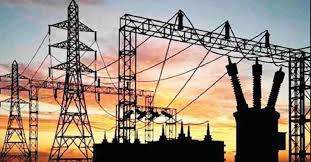
Parts of Nigeria have been thrown into darkness following the destruction of six transmission towers on the critical Apir–Lafia 330kV transmission line in Nasarawa State, in a fresh attack on the country’s power infrastructure.
The Transmission Company of Nigeria (TCN) confirmed that the incident, which occurred on May 30 at about 1:15 a.m. during a heavy downpour, has disrupted electricity supply along the corridor serving parts of the North-Central and surrounding regions.
The development was disclosed in a statement issued in Abuja on Wednesday by TCN’s General Manager of Public Affairs, Ndidi Mbah, who said the vandalism severely affected key transmission infrastructure.
According to the company, the disruption began when one of the transmission lines tripped unexpectedly. Initial attempts to restore supply through a trial reclosure operation failed, prompting a detailed inspection of the line.
“Subsequent investigations and a physical trace of the transmission line revealed extensive damage to key components on towers T125 to T130, confirming acts of vandalism along the affected section of the transmission corridor,” Mbah said.
The discovery confirmed that six towers along the Apir–Lafia line had been destroyed, forcing the shutdown of both Apir–Lafia 330kV Transmission Lines I and II. TCN said the lines will remain out of service until reconstruction works are completed.
In response, the company has deployed engineers to the site to assess the full extent of the damage and begin restoration planning.
“TCN engineers have been mobilised to site to assess the extent of damage and ascertain materials required to commence to restore normal transmission along the corridor,” Mbah said.
Other News
She added that while repair works are being prepared, the company has activated a temporary arrangement to reduce the impact of the outage on affected consumers.
“Meanwhile, the Lafia 330kV Transmission Station is being supplied through the Lafia–Jos transmission line as a temporary measure to minimise the impact of the outage on affected electricity customers within the franchise areas of Abuja Electricity Distribution Company (AEDC) and Jos Electricity Distribution Company (JEDC),” she stated.
The Apir–Lafia line is a major transmission route supplying electricity to parts of the North-Central region, making the damage particularly significant for power stability in the affected areas.
Vandalism of power infrastructure continues to be a major challenge for Nigeria’s electricity sector, frequently causing widespread outages, operational disruptions, and heavy financial losses. Critical infrastructure such as transmission towers, cables, and substations has remained a recurring target for criminal activity.
Industry data indicates that the Federal Government spent about N8.8 billion on repairs of vandalised transmission infrastructure in recent years. Between January and November 2024 alone, 128 transmission towers were destroyed nationwide.
The trend has continued into 2025, with 42 vandalism incidents recorded in the first half of the year, affecting 178 transmission towers across the country.
Energy experts warn that persistent attacks on transmission infrastructure threaten efforts to stabilise Nigeria’s power supply and increase the cost of electricity delivery, as operators divert resources to emergency repairs instead of expansion and system upgrades.
For now, restoration efforts are underway, but full recovery of the Apir–Lafia transmission corridor is expected to take time due to the scale of destruction and the complexity of rebuilding high-voltage infrastructure.