Follow Us on Google
•WHO supports Nigeria’s broader efforts to protect children against disease
Nigeria is strengthening its disease surveillance system to close gaps that could delay the detection of poliovirus and other vaccine-preventable diseases, particularly among children living in underserved and hard-to-reach communities.
The move follows an independent review of Nigeria’s surveillance system for polio and other vaccine-preventable diseases, which found that more than 95 per cent of the country’s surveillance network performed strongly across assessed indicators, while also identifying critical gaps requiring targeted action.
Conducted from August 24 to September 9, 2026, the review covered 13 high-priority states, 39 local government areas and 111 health facilities across the six geopolitical zones.
The assessment was led by the National Primary Health Care Development Agency (NPHCDA) and the National Polio Emergency Operations Centre, with the World Health Organisation (WHO) and partners in the Global Polio Eradication Initiative (GPEI).
The teams reviewed surveillance records, visited health facilities, followed up reported cases and engaged government officials, health workers, traditional leaders, caregivers and community informants.
Closing surveillance gaps
The assessment identified gaps that could delay timely detection of suspected cases, particularly in secondary and tertiary health facilities and among mobile, migrant and underserved populations.
The findings are significant because Nigeria’s certification as free of wild poliovirus in August 2020 did not eliminate the threat posed by circulating variant poliovirus.
The virus remains a public health concern, particularly in communities where children have missed vaccination.
Consequently, health authorities say continued surveillance is essential to detect poliovirus early, guide rapid response and prevent transmission.
The review paid particular attention to populations that may have limited access to health services, including internally displaced persons, migrants, nomadic communities, border populations and people living in conflict-affected areas.
Among the corrective measures being developed are mapping migrant settlements and pastoral routes, improving population estimates and expanding case searches in areas where routine health services may miss children.
In conflict-affected parts of north-east and north-west Nigeria, proposed interventions include engaging retired health workers in case searches and immunisation activities.
Satellite imagery may also be used to estimate the number and location of people living in remote settlements.
These measures are aimed at improving the ability of health authorities to identify children who may otherwise remain outside the reach of conventional surveillance and immunisation systems.
Strengthening early warning
At the centre of polio surveillance is the detection and investigation of acute flaccid paralysis (AFP), which refers to sudden weakness or paralysis in a child.
AFP can have several causes and does not necessarily mean that a child has polio. However, because poliovirus can cause paralysis, every suspected case must be reported and investigated promptly.
Once a suspected case is reported, surveillance officers investigate and collect the necessary information and samples to determine whether poliovirus is involved.
This makes the surveillance network an important early-warning system, allowing authorities to identify possible transmission and respond before it spreads further.
WHO has supported Nigeria’s surveillance activities through technical expertise, field assessments, data analysis, training, coordination and community engagement.
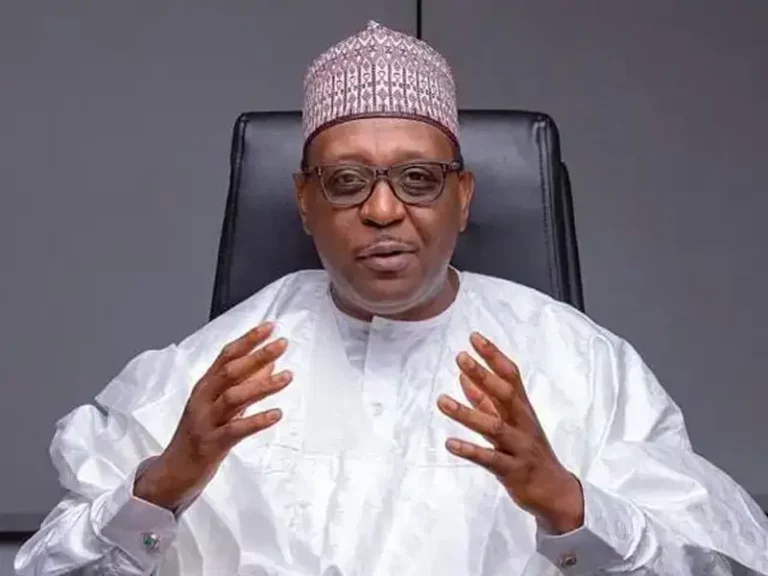
WHO Representative in Nigeria, Dr Pavel Ursu, said the review showed that sustaining the country’s progress against polio would require continuous vigilance.
“Nigeria has made important progress in protecting children from polio, but maintaining those gains requires constant vigilance,” Ursu said.
According to him, the findings would help government target resources where they are most needed, strengthen surveillance in underserved communities and detect health threats earlier.
Other News
He added that WHO remained committed to supporting government efforts to ensure that every child, regardless of where they live, is protected from vaccine-preventable diseases.
Communities as first responders
Health facilities are not the only source of information for disease surveillance.
Community members, traditional leaders and local volunteers can be the first to notice when a child develops unusual weakness or paralysis and can play a crucial role in alerting health authorities.
Disease Surveillance and Notification Officer (DSNO), Kano State, Dr Babangida Kibiya, said timely reporting could make a difference in how quickly suspected cases are investigated.
“Many suspected cases are first reported by community members, traditional leaders or local volunteers,” he said.
“When information reaches us quickly, we can investigate sooner and make sure children receive the support they need.”
The community component is particularly important in areas where families live far from health facilities or where insecurity, migration and population movement disrupt routine healthcare services.
Turning findings into action
The latest review supports Nigeria’s broader efforts to strengthen primary healthcare, immunisation, disease preparedness and health security.
It feeds into the government’s National Polio Emergency Action Plan and contributes to the Nigeria Health Sector Renewal Investment Initiative, which aligns government and partner efforts around national priorities, including stronger primary healthcare and disease preparedness.
The findings will also support implementation of Nigeria’s Integrated Disease Surveillance and Response framework and the country’s responsibilities under the International Health Regulations (2005).
Executive Director, National Primary Health Care Development Agency, Dr Muyi Aina, said the assessment provides a basis for targeted action.
“We are committed to acting on these findings and strengthening primary health care services to help protect every child,” Aina said.
For the measures to have lasting impact, however, health authorities will need sustained government leadership, adequate resources, community participation and coordinated support from development partners.
Continued vaccination, early reporting and investment in surveillance remain central to detecting poliovirus quickly, interrupting transmission and protecting children.
The external surveillance review was conducted with financial and technical support from GPEI partners.
A mother’s experience
Recalling her concern, 32-year-old Shafa’atu Isyaku said the importance of an effective surveillance system became personal when her four-year-old daughter, Maimuna, suddenly developed weakness in her left leg.
Worried by the change, Shafa’atu said she took her daughter to a primary healthcare centre in Kano State, where health workers assessed the child and reported her condition through the disease surveillance network.
“Surveillance officers subsequently investigated the case to determine whether her symptoms could be linked to poliovirus or another cause.
“I was worried because I had seen what polio could do to a child,” Shafa’atu said. “I wanted someone to examine Maimuna and tell me what was happening.”
She further disclosed that the investigation eventually ruled out polio, but Maimuna was referred for further medical treatment.
“When your child is unwell, you want someone to listen and act quickly. Knowing that health workers are looking out for children in our community gives families reassurance,” she said.