Follow Us on Google
From Juliana Taiwo-Obalonye, Abuja
Ahead of the passage of the Special Seats Bill in November, a formidable coalition of media professionals, civil society organisations (CSOs), and gender advocates have intensified the national drive to secure the bill’s approval by the 10th National Assembly before the end of 2025.
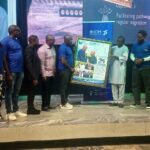
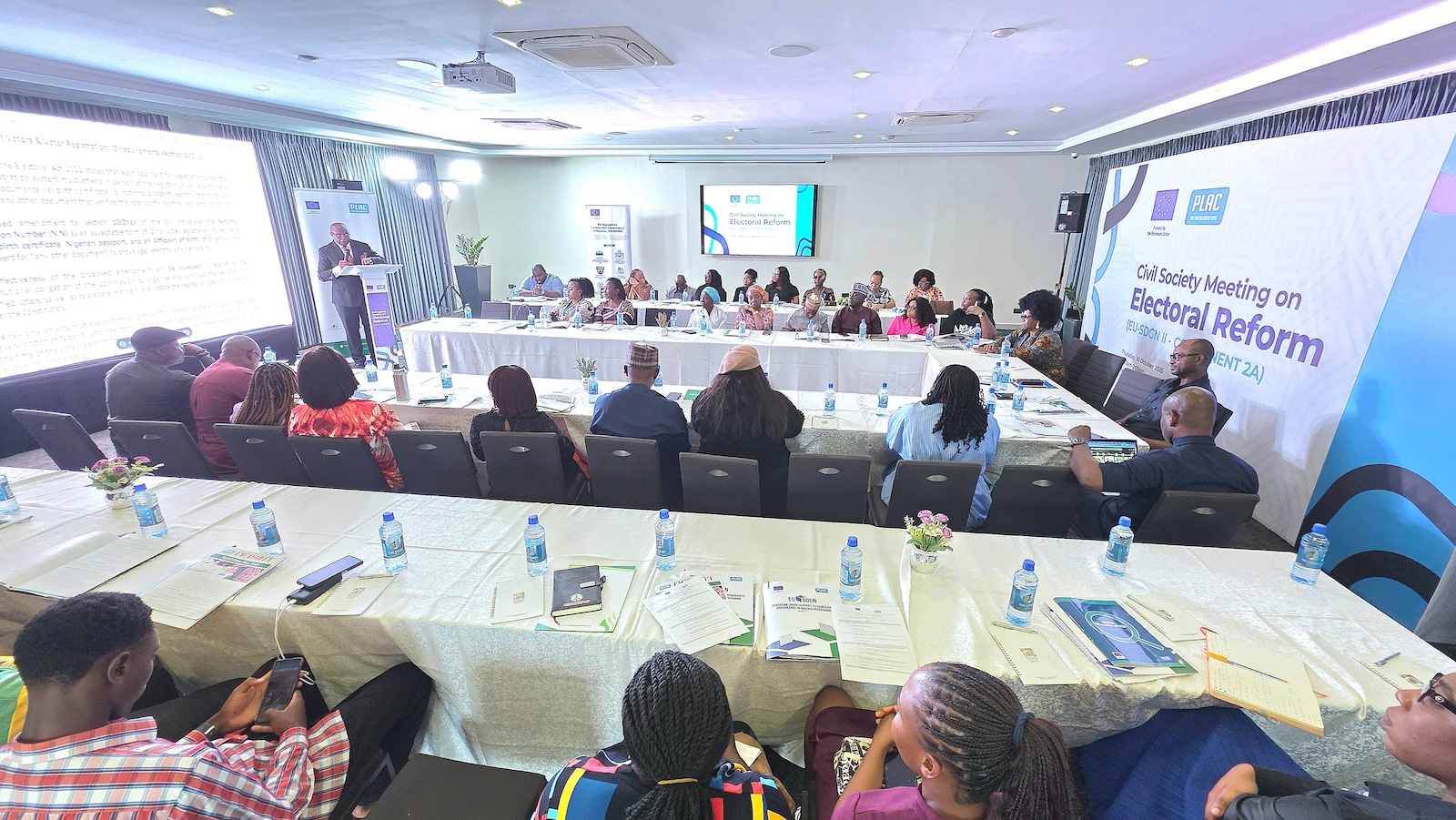
At a strategic stakeholders’ meeting organised by the Policy and Legal Advocacy Centre (PLAC) in Abuja on Wednesday, October 29, 2025, key voices hammered home the critical nature of the legislation and stressed the need for sustained, well-coordinated advocacy.
Executive Director of PLAC, Clement Nwankwo, opened with a powerful call to action: “We are here to perfect strategies that will ensure the 10th National Assembly passes the Special Seats Bill into law. This time, we must send out well-structured messages that resonate with legislators and the public.” He was unequivocal on terminology: “The correct title is the Special Seats Bill, not the reserved seats bill—and such details matter in shaping perception and support.” Reflecting on lessons from the previous assembly’s failed attempt, Nwankwo said, “This renewed push must focus on strategic communication and legislative engagement.” He detailed evolving legislative support, noting, “The Senate is advocating six special seats for women. The House supports 37 seats for women, and state assemblies back one female representative per senatorial district… Advocacy remains crucial.” On approach, he urged, “Let’s be very gentle and persuasive in our words. We are not begging; we are making them understand.”
Acting Vice Chancellor of Baze University, Kathleen Okafor, provided constitutional context and social insight: “The Constitution guarantees equal opportunities, yet many men wrongly see women as threats. Women bring critical skills in leadership, resource allocation, and sustainability. The bill is about legitimising these realities constitutionally.” She stressed women’s essential role across governance and economic sectors: “Our society must deploy resources to empower women to occupy these seats.”
Chairman of the House Committee on Media and Public Affairs, Akin Rotimi, confirmed the timetable: “Voting on the constitutional review process—including the Special Seats Bill—will take place before the end of December 2025.” He urged advocates to sharpen their messaging: “I can assure you that all lawmakers from Ekiti will support the bill. Look at the increasing number of women leaders in Ekiti—that shows Nigeria is ready for inclusive governance.”
Veteran journalist and PLAC Board Member Gbenga Aruleba underscored the wider significance, declaring, “This bill will go down in history as one of the most transformative decisions of the 10th Assembly. It is not just for women; it is for democracy itself.”
National Chairperson of the Nigeria Association of Women Journalists (NAWOJ), Aisha Ibrahim, described the bill as a “moral and political statement of Nigeria’s commitment to true democracy.” She warned, “If we fail this time, it’s not just a missed opportunity—it is a bad omen for our democracy. Success will demonstrate what collective purpose and strategic communication can achieve.”
Other News
National Secretary of the Nigeria Union of Journalists (NUJ), Achike Chude, emphasised the need for creative advocacy, including engaging legislators’ spouses. “With NUJ’s nationwide presence, journalists will be at the forefront of this advocacy. This is not a woman thing—it’s a Nigerian thing,” he said, emphasising how women’s participation reflects democratic health: “If women represent about 50% of the population but only 4 to 5% in governance, then the country cannot be said to be developed or properly cultured.”
President of the Women in Politics Forum (WIPE), Ebere Ifendu, called for stronger collaboration among CSOs: “The hardest hurdle—changing lawmakers’ mindsets—has been passed. The Special Seats Bill is scheduled for passage this November. We cannot work in silos; we must seize every opportunity to lobby effectively.” She highlighted remarkable shifts: “People we thought would never speak for women are now speaking up.”
Ene Obi clarified misconceptions about alleged threats to the 9th Assembly by women activists, urging direct engagement with current legislators: “Women reacted to the news of bills being thrown out by peacefully locking the National Assembly gates. Everyone should engage their representatives at the 10th Assembly.”
Campaign strategist Esther Ijeaku of SkillsHub Consulting outlined the advocacy approach: “Focus on the end goal. Sometimes you have to swallow what’s on your mind to keep the bigger picture in focus. We must ensure people are informed, desirous, and knowledgeable. Going door-to-door advocacy is critical because public statements alone won’t sway voters.” She acknowledged challenges of limited time and competing priorities, noting, “Language and framing are critical… a legislator who initially didn’t want to read the bill is now a strong supporter—this signals shifting minds.”
The Special Seats Bill proposes creating an additional legislative seat per state and the Federal Capital Territory in the Senate, House of Representatives, and state assemblies exclusively for women. It is designed as a temporary measure to boost women’s political representation, addressing Nigeria’s very low female participation—currently only four women in the 109-member Senate and minimal House presence—thus enhancing inclusivity in governance.
Meeting participants endorsed PLAC’s comprehensive advocacy framework involving media campaigns, town halls, and targeted outreach to political parties, religious and traditional leaders, and youth groups. They agreed the forthcoming days are pivotal for success.
This bill is scheduled for voting between November 4 and 6, 2025, marking a critical juncture for Nigeria’s democracy.