Follow Us on Google
By Chinyere Anyanwu [email protected]
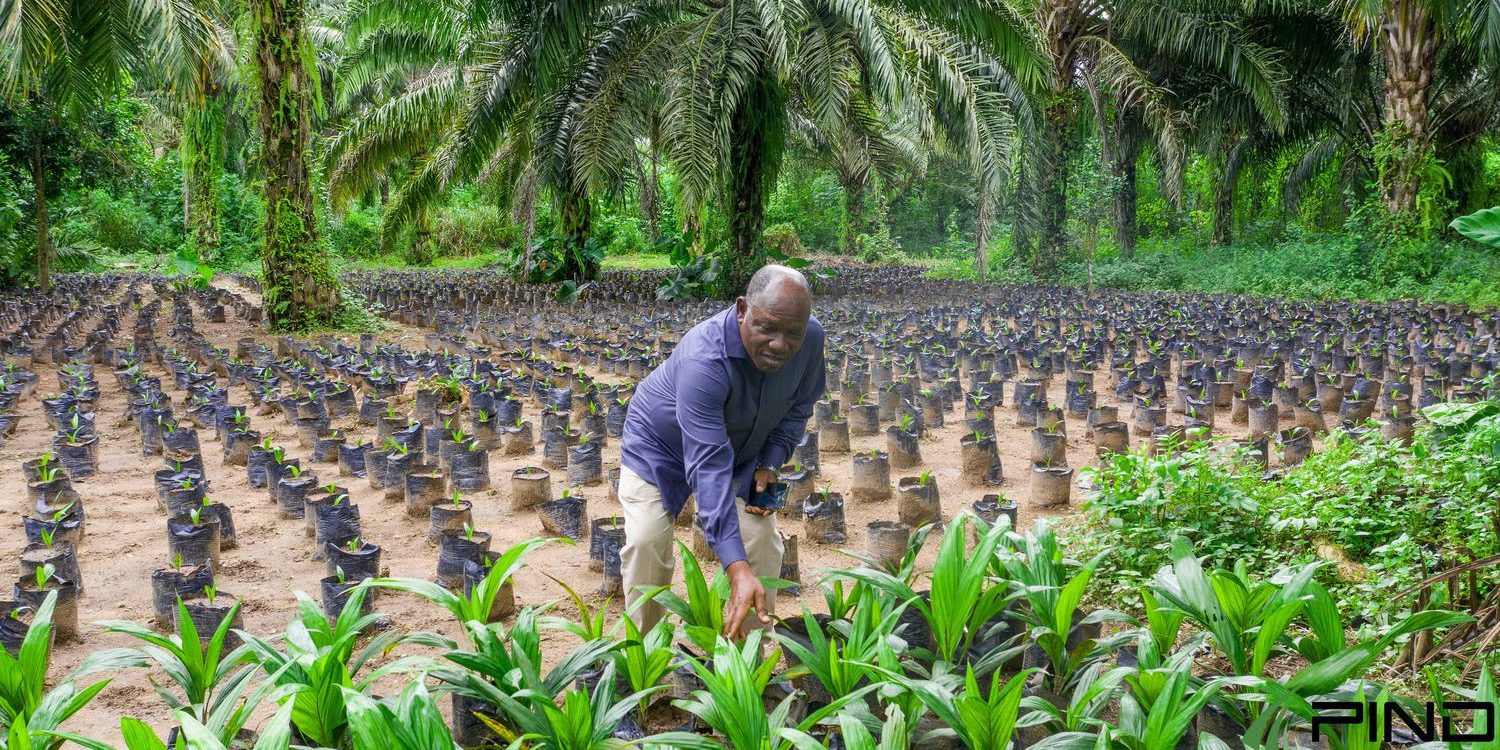
The need to boost productivity and sustainability in the country’s oil palm value chain formed the crux of discussions by stakeholders during a recent high-level Oil Palm Industry Stakeholders meeting in the Niger Delta.
The event, hosted by the Foundation for Partnership Initiatives in the Niger Delta (PIND), was aimed at increasing awareness and demand for improved oil palm seeds in the Niger Delta. It brought together over 80 key players from across the oil palm value chain, including farmers, seed producers, government officials and financial institutions, to discuss the future of oil palm cultivation in the region and strategies to improve productivity and profitability.
During the event, which took place in Port Harcourt, the Rivers State capital, participants engaged in in-depth discussions about the challenges faced by the oil palm sector, particularly the widespread use of low-quality seeds, which has led to suboptimal yields and reduced profitability for smallholder farmers. They emphasised the critical role that improved seeds – certified for higher yields and pest resistance – play in enhancing the sector’s sustainability and economic impact.
“The oil palm industry is a vital part of the Niger Delta’s agricultural economy and the adoption of improved seeds is key to unlocking its full potential,” said Misan Edema-Sillo, Economic Development Manager, PIND. “By bringing together diverse stakeholders, we are laying the foundation for a more productive and sustainable oil palm sector that benefits smallholder farmers and the broader economy.”
Key highlights of the event included showcasing of PIND’s Development Model comprising its decade-long work in catalysing economic growth in the oil palm sector by addressing market and productivity constraints, particularly through partnerships with private nursery operators and seed producers; peer learning sessions, which saw government stakeholders learning from Edo State’s ESOPP project on unlocking 50,000 hectares of land for oil palm cultivation and Cross River’s efforts to promote the planting of 3.5 million seedlings; and panel discussions on Access to Finance and Markets where experts from the Bank of Industry (BoI), Central Bank of Nigeria (CBN), NIRSAL, among other institutions, discussed financing opportunities for farmers, while representatives from OPGAN and the Nigerian Export Promotion Council (NEPC) focused on enhancing access to international markets for oil palm products.
The event also featured exhibitions where seed producers, nursery operators and service providers showcased their products and services, fostering networking and potential partnerships.
Expected outcome from the event include increased awareness of the benefits of improved seeds, enhanced demand driven by advocacy and partnerships, and the development of concrete action plans for stakeholders to promote the adoption of improved seeds within their states and networks. The event further underscored the importance of collaborative efforts to address barriers such as seed accessibility, affordability and distribution.