Follow Us on Google
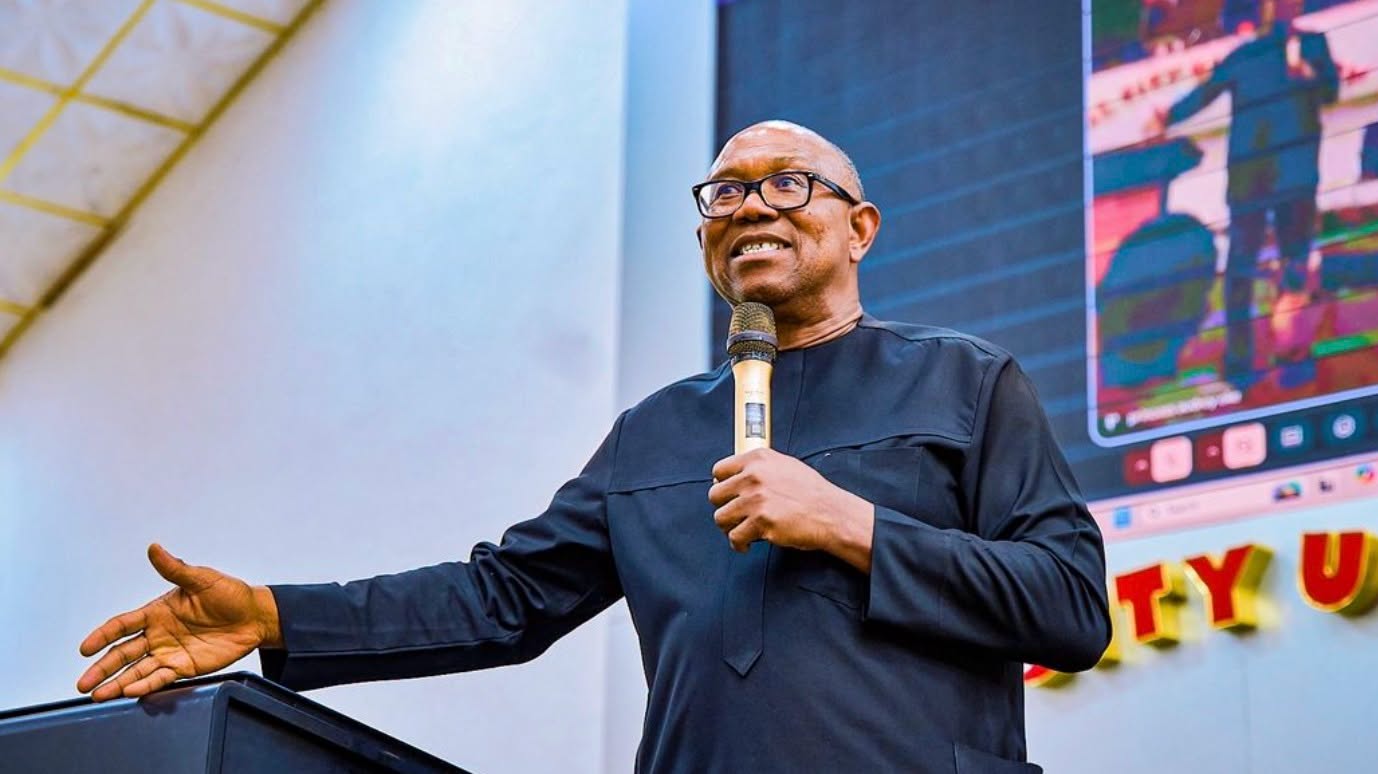
Presidential candidate of the Nigeria Democratic Congress (NDC), Peter Obi, has reaffirmed his support for the removal of petrol subsidy, but criticised the Federal Government over what he described as poor management of the funds recovered from the policy.
Obi spoke on Monday at a conference organised by the Nigerian Bar Association (NBA) in Port Harcourt, Rivers State, where he argued that subsidy removal was necessary but should have been accompanied by measures to cushion its impact on Nigerians.
The former Anambra State governor said mismanagement of the funds generated from the policy should not be used as an argument for reversing subsidy removal.
“I subscribe and maintain that you need to remove subsidy. Mismanagement of the proceeds shouldn’t be the reason for not removing it,” Obi said.
According to him, the major problem was that the government failed to provide Nigerians with meaningful alternatives after removing the subsidy.
He argued that the resources saved should have been channelled into critical sectors capable of improving living conditions, particularly healthcare.
“What we should have done is that when we removed the subsidy, we would have given the people alternative usage for the subsidy,” he said.
Obi claimed that the government had reported recovering about N16 trillion from subsidy removal, but alleged that the funds had not been deployed effectively.
“What we have today is that, that removal and the attendant resources being recovered is also being mismanaged and stolen. For example, we have received, according to them, N16 trillion,” he said.
The NDC presidential candidate said his economic plan would have involved removing the subsidy in a structured manner while directing the resulting savings towards projects that would benefit ordinary Nigerians.
Other News
He identified healthcare as one of the sectors that should have received significant investment from the savings.
“The number one thing a nation needs to develop is health. But today, our health is very poor, our primary care is very poor,” Obi said.
He suggested that just five per cent of the N16 trillion in reported savings could provide about N800 billion for primary healthcare infrastructure.
According to him, such funding could support the establishment of primary healthcare centres across the country’s wards.
Obi also proposed greater investment in kidney treatment facilities, arguing that the country had a shortage of dialysis centres and machines.
He further suggested that the government could have invested the savings in Nigeria’s sovereign wealth fund rather than spending them without sufficient accountability.
The former governor maintained that Nigerians should not be asked to endure economic hardship while public resources were allegedly being poorly managed.
“People in government have asked Nigerians to fast. Okay. They cannot be feasting when Nigerians are fasting,” he said.
Obi’s position comes amid continued debate over the impact of petrol subsidy removal, with political leaders divided over whether the policy should be sustained, reversed or modified to reduce its effect on households and businesses.