Follow Us on Google
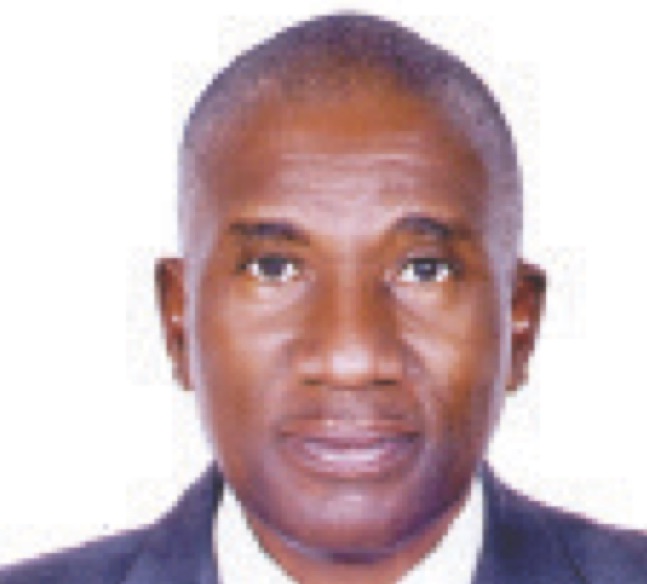
Dr. Patrick-Jude Oteh, Artistic Director of the Jos Repertory Theatre, has had a profound impact on the Nigerian theatre landscape. His journey into theatre arts began serendipitously when a family friend suggested it as an alternative to his initial aspirations of becoming a Catholic priest or a neurosurgeon. This chance encounter led him to the University of Ibadan, where he pursued a degree in theatre arts, eventually culminating in a rich and enduring career in the performing arts. Over three decades later, Dr. Oteh’s dedication to theatre continues to inspire and uplift audiences across Nigeria and beyond.
Founding the Jos Repertory Theatre came with its challenges, but Dr. Oteh’s perseverance and vision saw it through. Starting with minimal resources and a small team, the theatre company grew under the nurturing support of the Ford Foundation, which funded their programmes for eight years. This support helped establish the Jos Repertory Theatre as a significant cultural institution, known for its innovative productions and educational outreach. Today, the theatre stands as a testament to Dr. Oteh’s commitment to using art as a vehicle for social change and community development. Dr. Oteh’s extensive experience and international exposure have enriched his approach to theatre and directing. His fellowships with the John F. Kennedy Center and NANTAP have broadened his perspective, enabling him to integrate global best practices into his work in Nigeria. Damiete Braide interviewed him on the metamorphosis of the thespian and theatrical practice in Nigeria.
What inspired you to pursue a career in theatre arts?
It was a chance meeting. Initially, I aimed to become a Catholic priest or a Neurosurgeon, having studied Sciences at Loyola College, Ibadan. However, a family friend, Rev. Fr. Uba Jon Ofei, casually mentioned theatre arts during a conversation about post-slavery revolutionaries. He suggested that if I couldn’t be a priest, I could be a theatre artist, as both serve humanity. This idea fascinated me, and I began to explore theatre arts. After struggling with mathematics and making a deal with God to attend seminary after obtaining a degree in theatre arts, I enrolled in the University of Ibadan’s diploma programme. The rest is history; I stayed for my degree, then NYSC, and more degrees, solidifying my roots in Theatre over three decades.
Can you share some of the challenges you faced while founding the Jos Repertory Theatre?
Initially, there weren’t significant challenges. My wife suggested formalising a theatre structure while we were already performing plays in schools, filling a gap for literature and English language teachers and students. The real challenge was setting up a formal structure, as registration hurdles were daunting. We had a space in an eatery I ran, but lacked funds to set up and programme. Our initial staff consisted of just my wife and me. Despite abundant talented actors, funding was a hurdle until the Ford Foundation discovered us at the 2000 MUSON Festival. They funded us for eight years, providing our first institutionalization grant and supporting our programmes until 2008.
How has the Jos International Festival of Theatre evolved over its fifteen editions?
The festival owes its evolution to the Ford Foundation and other funders. In 2003, as part of our grant terms, we launched the Jos Festival of Theatre to celebrate actors who crossed our paths. The first festival in 2004 lasted five weeks, but this was unsustainable. It was reduced to ten days, then to one week. We considered long-term sustainability, anticipating potential withdrawal of funders. Despite crises in Plateau State affecting international participation, the festival has regained international status with local funding. Now in its sixteenth edition, the festival has grown from less than 100 attendees to over 1,000 daily. It now focuses on fostering respect, tolerance, shared values, and life appreciation through performed plays and conversations.
What insights did you gain from your Fellowships with John F. Kennedy Center and NANTAP?
The DeVos Institute for Arts Management Fellowship at the Kennedy Center transformed my career, providing world-class training in all aspects of arts management. It heightened my awareness of using arts to address all facets of human existence. The programme’s mentors, like Michael Kaiser and Brett Egan, showed that, despite different funding and arts ecologies, the challenges in the arts are universal. The NANTAP experience highlighted the importance of having a space to share ideas and practices, although it has yet to fully meet the founding fathers’ objectives. The current leadership under Israel Eboh is steering NANTAP back to its core values, indicating a potential need for new leadership generations.
How do you balance your roles as a director, festival producer, and columnist?
These roles have always been a part of me. Writing as a columnist began during my DeVos Fellowship, where I sought a wider platform to share ideas and experiences. Professionally, I’m trained as a Theatre Director, and festival production became part of my role over time. Although I direct fewer plays than desired, sourcing funds to sustain productions and festivals takes precedence. Post-COVID-19 years have been particularly challenging, but I continue juggling responsibilities to progress in my work and life.
What are some of the most memorable plays you have directed, and why do they stand out to you?
Memorable productions include The Tragedy of King Christophe by Aime Cesaire, performed at the Lagos Black Heritage Festival in 2010 and 2015. It featured a large cast and a set transported and assembled from Jos. It tells the tragic story of Haiti’s King Christophe, whose reign devolved into madness. Another is When the Arrow Rebounds by Emeka Nwabueze, an adaptation of Chinua Achebe’s Arrow of God, highlighting the abuse of power by the Chief Priest.
How has your international travel influenced your approach to theatre and directing?
International travel broadens perspectives and introduces new methodologies. Observing global theatre practices, arts management, and funding strategies helps localise and adapt these insights. Travel also emphasises the universal desire of artists to create and sustain their work. Collaborating with international peers enriches our practice, fostering mutual learning. Endowment funds in other countries offer stability, a contrast to the Nigerian struggle for funding. These experiences drive us to re-imagine Theatre’s role, ensuring it remains relevant amidst changing environments and societal challenges.
Can you discuss the themes and issues explored in the over 340 radio drama episodes you have produced?
Starting in 2010, our radio dramas initially addressed violence in Plateau and Kaduna states. Characters and stories relatable to ordinary people gradually expanded to cover radicalisation, counter-radicalisation, insurgency, counter-insurgency, gender issues, economics, agriculture, trauma, tolerance, and coexistence. These themes evolved, reflecting societal changes and contributing to broader discussions on crucial issues.
What role does improvisation play in your directing process?
Improvisation is fundamental, enabling actors to create from their innermost beings, exploring situations and circumstances. It initiates the creative process, leading to an in-depth study of the human psyche. In my directing, improvisation is key, offering a platform for free and authentic creation.
How do you approach fundraising for theatre productions and festivals?
Fundraising has become increasingly challenging, especially post-COVID. With Nigeria’s economy in decline, it’s essential to look internationally for support. Government’s involvement in the arts is minimal, focusing more on revenue generation. Our strategy, learned at the DeVos Institute, emphasises cultivating individual donours alongside institutional and government donours. Individual donours provide reliable support, crucial for sustaining our work.
In what ways do you think theatre can contribute to social change, especially in the context of counter-messaging and de-radicalisation?
Theatre’s storytelling and counter-messaging can shift perceptions and highlight our shared humanity. Plays like Sefi Atta’s Death Road and our radio drama series, Labarin Aisha, showcase theatre’s power to address social issues, including radicalisation and insurgency. Theatre can foster dialogue, promote tolerance, and contribute to societal betterment.
What are some of the key skills and qualities you believe are essential for a successful theatre director?
Training and patience are crucial. Becoming a director requires dedication and time, beyond just participating in plays. Understanding and interpreting scripts are fundamental. My mentor, ‘Bayo Oduneye, emphasised that without this skill, one can never be a director. Observing authentic directors like Chuck Mike and Segun Ojewuyi reveals the depth and artistry required for successful directing.
How do you select the plays that are featured in the Jos International Festival of Theatre?
A four-person jury handles play selection; previously, an eight-person panel when we called for new plays. The jury selects local plays, while international ones depend on factors like royalties and funding. As the artistic director, I hold the final vote, ensuring a balanced and thoughtful selection process.
What advice would you give to young theatre practitioners who are just starting out in their careers?
Theatre is a rewarding profession that requires patience, keen insight, and perseverance. Immediate rewards may come, but seeking long-lasting rewards through dedication and patience is crucial. The journey is long but fulfilling.
How do you incorporate dance into your theatrical productions?
Engaging professional choreographers ensures high-quality dance elements in productions. Collaborative decisions on what fits the script result in spectacular dance performances, as seen in productions like The Royal Chamber and The Tragedy of King Christophe.
Can you discuss a particular project or production that you are especially proud of and why?
Our collaboration with the Embassy of Spain, Nigeria, which spanned 11 years, performing one Spanish play annually, stands out. This partnership enriched our audiences with insights into Spanish culture and society, fostering cultural exchange and understanding.
What future projects or goals do you have for the Jos Repertory Theatre and the Jos International Festival of Theatre?
Personally, I seek broader platforms to reach more people. Organisationally, we aim for more international collaborations while continuing formidable local work. Upcoming projects include performing Sefi Atta’s Death Road and collaborating with Norwegians on Henrik Ibsen’s plays, among others. The 2025 festival is being planned, and we are engaged in various projects to deepen democracy through the arts.