Follow Us on Google

From Noah Ebije, Kaduna
The UK-funded Partnership for Learning for All in Nigeria (PLANE) has directly reached over two million children and trained more than 25,000 teachers and facilitators across northern Nigeria since 2019.
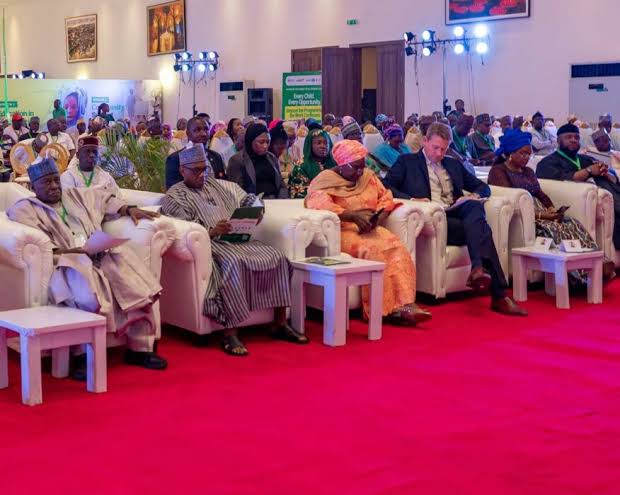
The achievements were highlighted in Kaduna at its close-out event, where stakeholders called on state governments to sustain the gains. Implemented by DAI, UNICEF, Save the Children and consortium partners, PLANE supported education reforms, foundational literacy and numeracy, child protection and learning for vulnerable children, including those affected by emergencies.
British High Commissioner to Nigeria Pete Vowles described PLANE as a partnership built on a shared commitment to ensuring more children go to school, stay in school and learn.
“While we are celebrating achievements today, the most important question is what happens next,” Vowles said, adding that the UK was encouraged that successful approaches under PLANE were being adopted by Nigerian institutions.
“PLANE is closing. The UK’s education partnership with Nigeria is not.”
Other News
Head of Development Cooperation Cynthia Rowe said: “Education is one of the most important investments any country can make. The achievements of PLANE show what is possible when evidence, innovation and partnership come together.”
Governor Uba Sani said state governments must now sustain the progress. Represented by his deputy, he said Kaduna increased basic school enrolment from 2.17 million in 2022 to over 2.57 million in 2025. Acting Permanent Secretary, Federal Ministry of Education, Dr Folake Olatunji-David, said stakeholders must focus beyond enrolment to attendance, retention, completion and foundational literacy, especially for girls, children with disabilities and displaced learners.
Kaduna Education Commissioner Prof. Abubakar Sani Sambo said over 25,000 out-of-school children returned to learning across the state’s 23 LGAs.
Commissioners from Kano, Jigawa, Borno and Yobe also commended the programme. Borno Commissioner Abba Lawan Wakilbe said: “The legacy of PLANE will not be measured by what it has done, but by what we achieve from it afterwards.”
The programme operated through interventions on foundational skills, education in emergencies and community-centred initiatives, forming part of the UK’s broader transnational education agenda.