Follow Us on Google
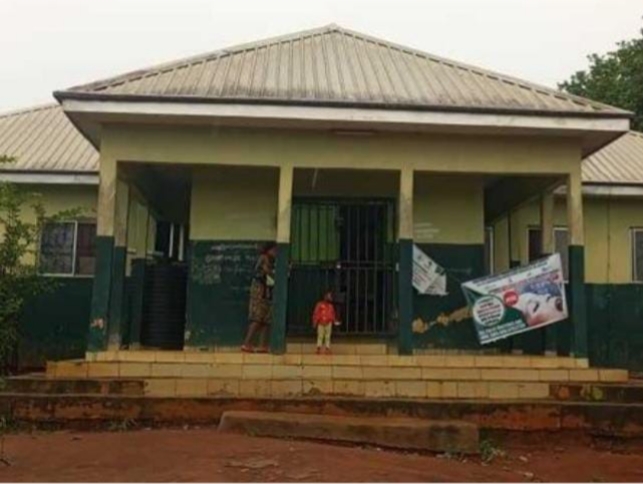
Orodata Science, in partnership with the Africa data Hub, ADH has commenced a new phase of its initiative to track government spending on 300 Primary Healthcare Centres (PHCs) across Nigeria.
The initiative seeks to move beyond government budget allocations and official documents to establish whether revitalised and upgraded PHCs exist, function effectively and serve the communities for which funds were allocated.
Orodata said in a statement that the latest phase would combine field verification, community engagement, investigative journalism and public data reporting.
The organisation said the project was being undertaken under a mandate from the Federal Government, following claims of PHC revitalisation and upgrades through relevant government health agencies.
The initiative builds on Orodata Science’s earlier work on primary healthcare data and accountability across Nigeria.
In 2023, the organisation commenced a multi-state health data collection project aimed at building a reliable repository of PHC information and supporting evidence-based healthcare planning and reporting.
The exercise covered six states — Anambra, Benue, Cross River, Osun, Sokoto and Taraba — with data collected from PHCs in underserved communities.
The initiative subsequently produced the MyPHC Report 2024, an assessment of 345 PHCs across the six states, highlighting infrastructure, service delivery and other deficiencies affecting primary healthcare.
The report was designed to provide policymakers, journalists, health institutions and communities with evidence on the actual condition of PHCs and the gaps requiring intervention.
In December 2024, Orodata and ADH announced an expansion of the data collection programme to 10 additional states and the Federal Capital Territory, targeting more than 1,000 additional PHCs.
The expansion was expected to increase the total number of PHCs surveyed to more than 1,500, following the earlier exercise in the six states.
The work also led to the development of CheckMyPHC, an open-access digital platform providing baseline information on PHCs to citizens, journalists, researchers, health professionals and policymakers.
The platform was launched in 2024 with data from more than 345 PHCs across the six geopolitical zones, while subsequent work expanded the database.
Orodata has also used the PHC data to support investigative journalism and newsroom capacity building.
In 2025, the organisation, working with ADH, trained health desks of selected newsrooms in data journalism, fact-checking, data visualisation and solutions journalism.
The programme culminated in the release of a PHC Energy Report examining the challenges of electricity supply in primary healthcare facilities.
The organisation also partnered with ADH in 2025 to promote innovation around PHC data through a hackathon, providing participants with datasets covering infrastructure, service delivery, welfare, inclusivity and telecommunications.
Orodata said the new phase would now focus specifically on tracking government funding and comparing official records with conditions on the ground.
It said specialised training had been completed for community data collectors and investigative journalists who would participate in the field operations.
Between August and October 2026, frontline data collection teams are expected to visit more than 300 PHCs across Nigeria.
The teams will collect geo-referenced data, assess physical infrastructure, examine equipment availability and verify the presence of health workers.
The exercise will also involve direct engagement with communities and local leaders to document their experiences in accessing healthcare services and the impact of the facilities.
According to Orodata, the raw data will be cleaned and validated before being published on the Africa Data Hub portal and integrated into the CheckMyPHC platform.
Investigative journalists will use the findings to produce detailed reports, supported by field observations, data analysis and interactive dashboards.
The organisation said the findings would also form the basis of a public town hall meeting scheduled for October.
The meeting is expected to bring together government officials, community leaders, health experts and citizens to discuss the findings, accountability and possible solutions.
Orodata Programme Manager, Mr Uche Oti, said the latest exercise was intended to establish what was happening beyond government figures and documents.
“We are moving beyond figures on paper to look at the reality on the ground,” Oti said.
He said matching government budgets and tender documents with conditions at PHCs would empower citizens, journalists and policymakers with evidence to demand improved healthcare delivery.
Orodata said PHCs remained critical to healthcare delivery, particularly for communities in rural and underserved areas.
It said the continued allocation of public funds to upgrade such facilities made it necessary to establish whether the resources were translating into functional infrastructure and improved services.
Orodata Science is a civic technology organisation that uses data, technology, research and journalism to promote transparency, civic engagement and public accountability across Africa.
Its PHC work is implemented in partnership with the Africa Data Hub, a network supporting data-driven journalism through access to verified data, tools, training and mentoring.