Follow Us on Google
By Adewale Sanyaolu
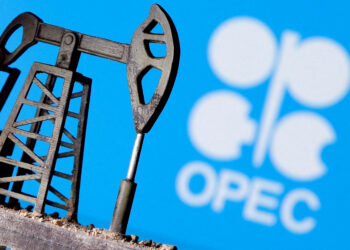
With crude markets on edge and Middle East tensions threatening a supply shock, OPEC+ is moving to steady the ship.
The oil alliance has agreed in principle to increase production by about 206,000 barrels per day next month, according to Bloomberg sources familiar with the talks. The adjustment, led by heavyweights Saudi Arabia and Russia, marks a step-up from the 137,000 barrels per day monthly increments recorded in the fourth quarter. The timing is significant. Escalating hostilities triggered by US-Israeli strikes on Iran have injected fresh volatility into global energy markets. The conflict has reportedly resulted in the death of Iranian Supreme Leader Ali Khamenei and raised concerns about the safety of oil infrastructure across the Gulf.
Particularly troubling for traders is the disruption of shipping through the strategic Strait of Hormuz — the narrow maritime corridor that handles a substantial portion of the world’s seaborne crude. Even temporary slowdowns there can tighten supply and spike prices.
Rather than waiting for markets to spiral, OPEC+ appears to be signalling readiness to cushion potential supply shocks. However, the formal quota increase may only tell part of the story. Several members — including Iraq, Kuwait and the United Arab Emirates — had already begun quietly ramping up exports last month. The approach echoes previous episodes when the group acted swiftly to offset geopolitical disruptions.
Other News
Earlier this year, the alliance had paused planned output hikes through the first quarter of 2026, citing oversupply concerns and uncertainties around Venezuelan production. That restraint was designed to defend prices in a fragile demand environment. Now, the calculus has shifted from guarding against surplus to pre-empting shortage.
OPEC+, which combines the Organization of the Petroleum Exporting Countries with key allies such as Russia, controls a sizable share of global oil supply. Its decisions ripple across economies, influencing fuel prices, inflation trends, fiscal balances and currency movements worldwide.
For Nigeria, the development carries mixed implications. While higher global supply could moderate price spikes, sustained volatility may still benefit oil exporters if prices remain elevated. Yet Nigeria has struggled to meet its own OPEC production quotas due to oil theft, pipeline vandalism and chronic underinvestment, limiting its ability to maximise gains when output ceilings are raised.
Oil revenue remains the backbone of Nigeria’s foreign exchange earnings and public finances. As such, every OPEC+ decision feeds directly into Abuja’s budget projections and currency outlook.
In essence, the latest production increase reflects a calculated gamble, boosting supply just enough to calm markets, without undermining prices in an already fragile geopolitical climate.