Follow Us on Google
Calls for more male engagement in ANC, PNC services
From Scholastica Hir, Makurdi
The United Nations Women (UN Women) has raised concerns over the poor level of male involvement in maternal and child healthcare services in Nigeria, revealing that only 3.4 per cent of men accompany their spouses to antenatal and postnatal clinic visits.
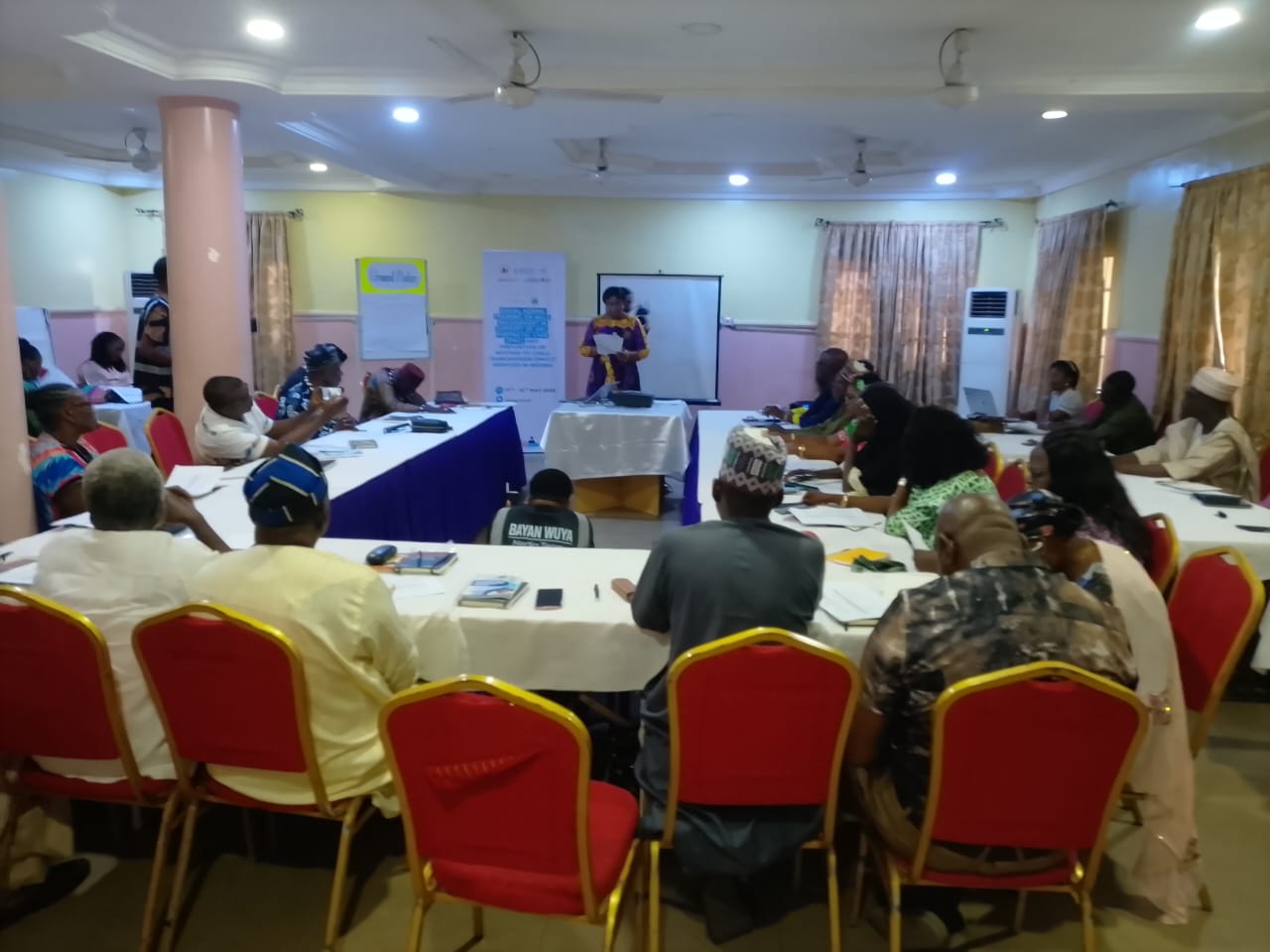
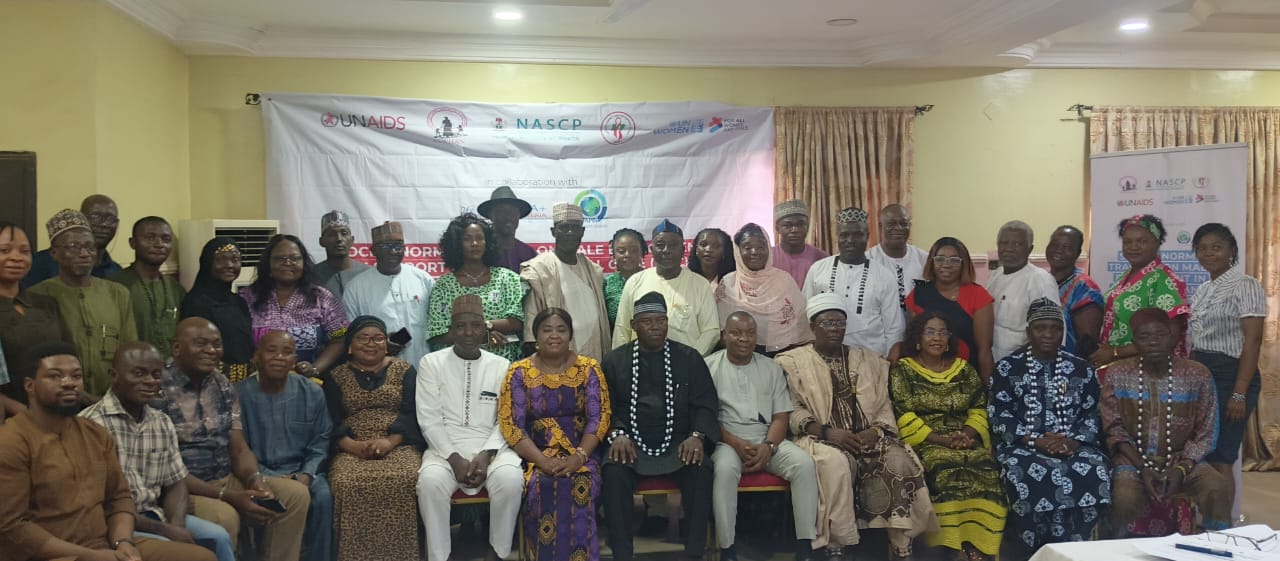
The Country Representative of UN Women to Nigeria and ECOWAS, Ms Beatrice Eyong, disclosed this during a two-day social norms training for traditional, religious and community leaders on promoting male engagement in support of antenatal care (ANC), postnatal care (PNC) and prevention of mother-to-child transmission (PMTCT) in Nigeria, held in Makurdi, Benue State.
Eyong, who was represented by the Acting Deputy Representative, UN Women, Mrs Patience Ekeoba, said findings from recent UN Women research showed that male participation in maternal healthcare remains critically low.
According to her, evidence from the study shows that while overall male partner involvement stood at only 13.8 per cent, only 3.3 per cent of men attend more than two antenatal visits with their spouses, just as the average male involvement index was placed at 19.8 per cent.
She described the statistics as worrisome, noting that the absence of men in maternal and child healthcare support systems has continued to affect the wellbeing of women and children across communities.
Eyong said the research recently conducted by UN Women shows that “Physical presence and active participation of men remain critically low. Evidence shows only 3.4% of men attend clinic visits with spouse; male partner overall involvement is 13.8%; only 3.3% attend more than two visits; average Male Involvement Index is 19.8%.”
She stressed that harmful cultural beliefs, gender norms, stigma, misinformation and lack of family support have continued to hinder effective uptake of maternal healthcare and PMTCT services.
According to her, many pregnant women still begin antenatal care late, while others deliver outside health facilities or fail to access essential postnatal care services, adding that these challenges contribute significantly to maternal and infant illnesses, preventable deaths, as well as new HIV infections among children, with Nigeria ranking high.
She therefore expressed optimism that traditional rulers, religious leaders and community stakeholders could help reverse the trend through positive social influence and advocacy, noting that community leaders occupy strategic positions that enable them to shape attitudes and behaviours within families and communities.
She stressed that “When traditional rulers encourage families to support pregnant women, when religious leaders use their platforms to promote healthy practices, and when community leaders champion inclusion and male involvement, communities become safer and healthier for mothers and children.”
Eyong explained that the training was designed to strengthen the capacity of participants as agents of change capable of promoting positive social norms and encouraging meaningful male involvement in maternal and child healthcare.
Other News
She said participants would be exposed to discussions on how social norms affect health-seeking behaviours, the importance of early and regular antenatal care attendance, postnatal care services and the role of communities in supporting PMTCT interventions.
She further emphasised that sustainable progress in maternal and child health cannot be achieved by the health sector alone, stressing the need for collaboration between healthcare providers and community leadership structures.
“The messages delivered in palaces, churches, mosques, town halls, women meetings, youth gatherings and family settings are often more powerful than formal campaigns. This is why your support and commitment are indispensable,” she added.
Eyong urged participants to use their positions to advocate for healthier families, encourage timely healthcare-seeking behaviour, reduce stigma and promote gender equity within their communities.
While she commended the organisers, facilitators and development partners for their commitment to improving maternal and child health outcomes in Benue State and beyond, the UN Women representative expressed confidence that the training would equip participants with the knowledge and skills needed to become stronger advocates for healthier mothers, healthier children and stronger communities.
In their remarks, a representative of the Christian Association of Nigeria (CAN), Benue State, Rev. Jesse Tsekeh; Chairman of Jama’atu Nasril Islam (JNI), Benue State, Mallam Ahmed Baba; the Sakin Hausawa of Makurdi, Imam Sani Yusuf; the Ter Makurdi, Chief Vincent Aule; and a traditional birth attendant, Mrs Rhoda Mbahenen, all appreciated UN Women and its partners, describing the training as timely.
Aule, who was represented by Chief Justin Terser, noted that most pregnant women in rural communities are unable to go for antenatal care and most times do not know their status. He pledged to collaborate with all stakeholders to take the messages and knowledge to the grassroots.
The Commissioner for Women Affairs and Social Welfare, Mrs Theresa Ikwue, expressed commitment to working with UN Women, CSOs and community women to turn the programme into action in boosting male participation in mother-and-child care during and after pregnancy.
A representative of the National Action Committee on AIDS (NACA), Kasali Abiola, who described the training as “a sensitive innovation”, said the nation is sustained by women and children and, as such, their health and wellbeing should be catered for. He acknowledged that men’s involvement in ANC and PNC is low and expressed optimism that the programme will boost male participation and support for their spouses.
The programme is sponsored by UN Women in partnership with the Nigeria Network of Religious Leaders Living with or Personally Affected by HIV/AIDS (NINERELA+).
The Executive Secretary of NINERELA+, Amber Itohan, said they had strategically engaged the relevant stakeholders because they have huge influence in moulding character and opinions in their areas, adding that at the end of the training, they are expected to use their positions to sensitise their people on issues of sexual and gender-based violence (SGBV) and male engagement in ANC, PNC and PMTCT services.
Also speaking, a Deputy Director of the National HIV/AIDS Programme at the Ministry of Health, Mrs Stella Ekeh, said it has been the Minister’s dream to ensure that men are involved in and support their wives’ ANC and PNC services. She urged UN Women to extend the training to other states of the country and urged the trainees to ensure they step down the messages to men and boys in their localities.