Follow Us on Google
By Adewale Sanyaolu
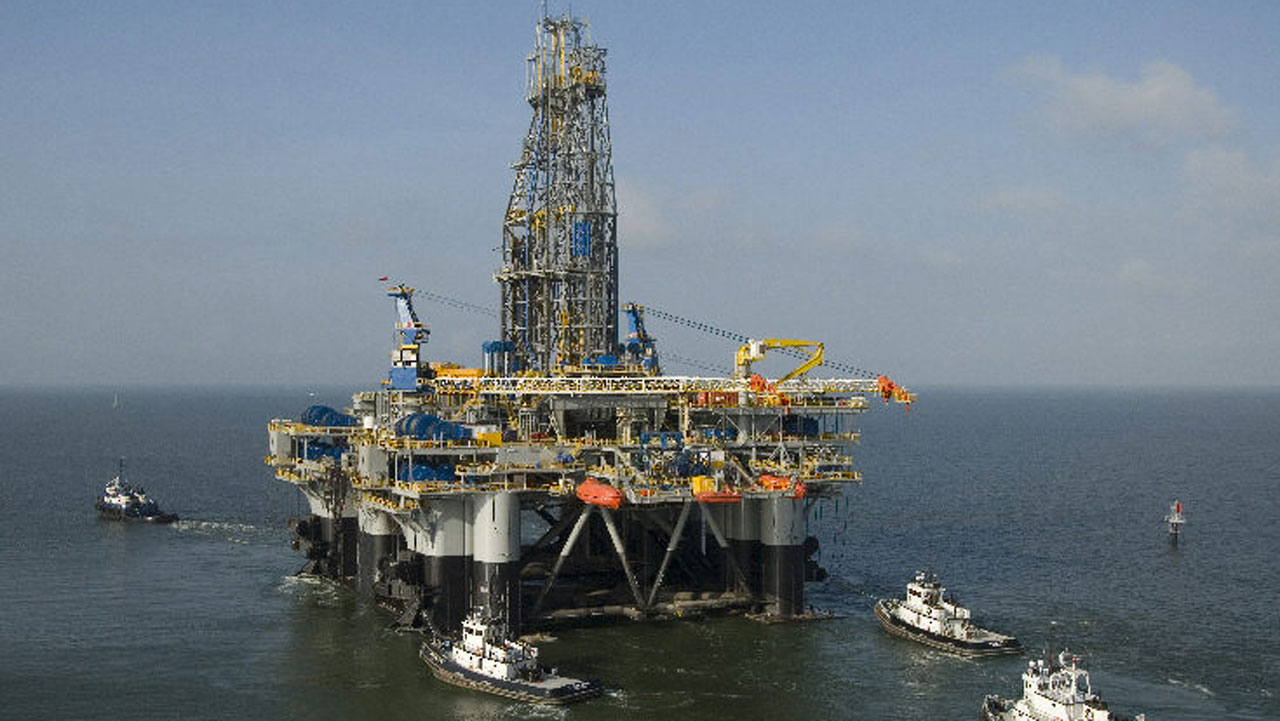
Nigeria’s oil revenue outlook is facing fresh uncertainty following a sharp decline in drilling activity, with the country losing five active oil rigs within a month.
The slump in the country’s rig count has raised concerns over future crude production, government earnings and fiscal stability.
A report by the African Energy Council (AEC) revealed that Nigeria’s active rig count dropped from 17 in March to 12 in April 2026, representing a decline of nearly 30 per cent in just one month and signalling weakening upstream investment and exploration activities.
Rig count, a key indicator of oil and gas exploration and production activities, measures the number of drilling rigs actively operating within a country or region. Industry experts often regard it as a leading indicator of future production levels. The development comes at a time when Nigeria is struggling to meet its crude oil production targets and relies heavily on petroleum earnings to finance government expenditure.
According to the report, the decline in rig activity poses a direct threat to the Federal Government’s 2026 budget benchmark of 1.84 million barrels per day (bpd), especially as actual production stood at about 1.48 million bpd in April 2026.
The AEC noted that while the Nigerian Upstream Petroleum Regulatory Commission (NUPRC) reported 31 active rigs during the period, the Organisation of Petroleum Exporting Countries (OPEC) placed the figure at 12.
It explained that the discrepancy likely reflects differences in counting methodologies, including whether rigs on standby are classified as active.
Despite the differing figures, the Council stressed that both data sets point to a downward trend in drilling activity.
The think tank warned that with only 12 active rigs operating in April, Nigeria’s future production capacity is under severe threat unless urgent measures are taken to reverse the decline.
It further observed that the country’s rig count had already fallen from 15 in 2024 to 13 in 2025, indicating that several potential barrels that should have contributed to current production were never drilled.
“AEC views Nigeria’s upstream retreat with serious concern. A 41.7 per cent single-month rig count collapse, compounding revenue losses exceeding $3.1 billion, and a widening gap between NNPC’s 2030 ambitions and ground-level drilling activity signal a sector in structural distress rather than a cyclical downturn,” the report stated.
While Africa drills forward, Nigeria drills back. Without urgent policy action, Nigeria risks permanently ceding both its relevance within OPEC and its opportunity to monetise reserves before the global energy transition narrows that window.
The warning comes against the backdrop of mounting fiscal pressures. Oil revenues account for roughly 60 per cent of government earnings, meaning lower production could translate into wider budget deficits and increased borrowing.
Other News
On the flip side, Nigeria’s debt profile has continued to rise.
Data from the Debt Management Office (DMO) showed that total public debt increased from N152.40 trillion in June 2025 to N153.29 trillion by September 2025, representing a quarterly increase of N893.87 billion.
In dollar terms, public debt rose from $99.66 billion to $103.94 billion within the same period, reflecting a $4.28 billion increase.
The federal government also borrowed N2.69 trillion from the domestic bond market in the first quarter of 2026 through a combination of competitive and non-competitive allotments.
According to the AEC, several structural challenges are responsible for the decline in drilling activity. These include ageing oil infrastructure, persistent crude oil theft and pipeline vandalism, declining investment and regulatory bottlenecks.
The report noted that many Nigerian oil fields are between 40 and 50 years old and are experiencing natural production decline. Without sustained workover programmes and fresh investments, more assets could become uneconomic and eventually shut down.
It also pointed to chronic crude theft and insecurity in the Niger Delta, which continue to discourage operators and force companies to withdraw rigs from high-risk locations.
The Council further noted that the divestment of international oil companies from onshore assets has created a gap in upstream activity that indigenous operators are yet to fully bridge.
In addition, slow implementation of the Petroleum Industry Act (PIA), licensing delays and contract approval bottlenecks continue to discourage new drilling investments.
To reverse the trend, the AEC urged the Federal Government to accelerate implementation of the PIA, particularly fiscal incentives aimed at deep offshore exploration and gas monetisation projects.
It also recommended strengthening security in the Niger Delta through greater community engagement and deployment of modern pipeline surveillance technologies, while fast-tracking approvals for indigenous operators acquiring divested assets from international oil companies.
Other measures proposed include channeling gas flare revenues into upstream field rehabilitation programmes, attracting drilling contractors through more competitive rig-rate frameworks, and harmonising NUPRC and OPEC rig-count methodologies to improve industry transparency and policy planning.
The Council warned that without decisive intervention, declining drilling activity could undermine Nigeria’s production recovery efforts, weaken oil revenues and further strain government finances at a time when the country can ill afford another fiscal shock.