Follow Us on Google
- Recommends Review of 2015/2022 Electoral act.
From Idu Jude Abuja
Civil society Organizations (CSOs) in Nigeria have recommended for a review of the 2015 and 2022 electoral act to give rooms for the protection of vulnerable people in the society while carrying out their civic responsibilities.
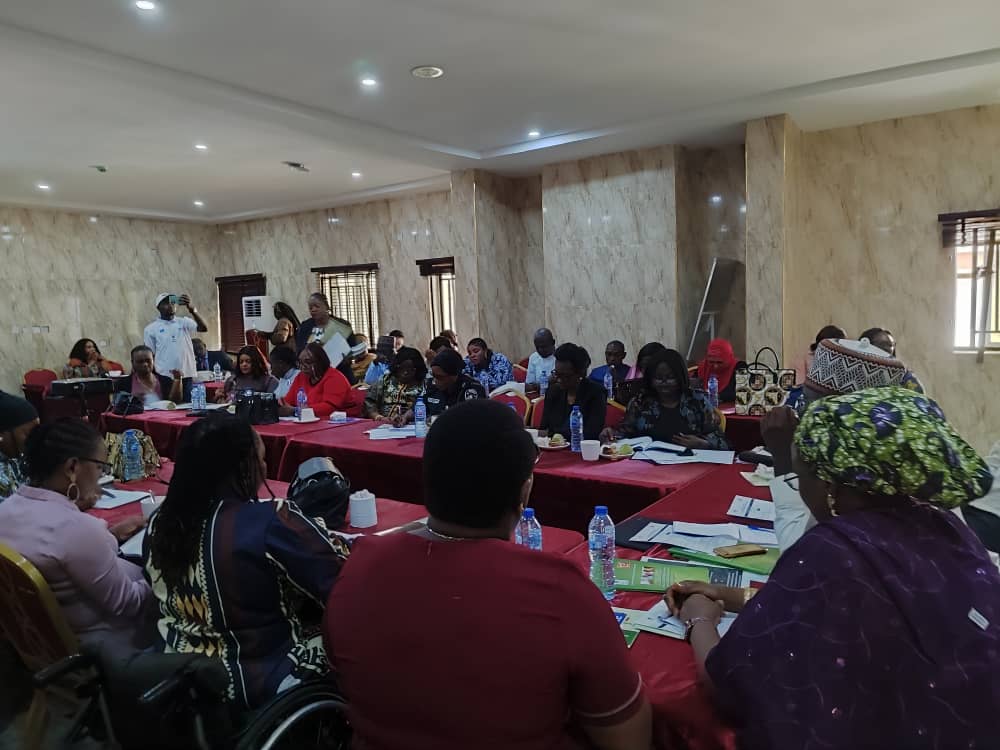
This recommendation was contained in a baseline report presented to the Independent Electoral Commission INEC, by a Civil society Organization CSO, The Electoral Hub in Abuja on Monday with an intent to addressing electoral inclusivity matters specifically, violence against women and people with disabilities (PWDs) in the 2023 Off-Cycle Governorship Elections in Bayelsa, Imo, and Kogi States.
The project was organized by a CSO, u der the aegis of Electoral Hub in collaboration with INEC, and aimed at improving electoral inclusion by addressing violence against women and PWDs in elections in Nigeria; and deepening electoral accountability and integrity through increased participation of vulnerable and marginalized groups for quality and credible elections.
In his opening remarks, Professor Ibrahim Sani, who was represented by Professor Ajayi of Gender and Inclusivity Department, in INEC, laid out the objectives of the baseline research to include, the conduct of a generic appraisal of the prevalence, manifestations, and impact of violence against women and PWDs on their participation in the electoral process. Also to form an assessment of the presence and effectiveness of responses by security agents and other duty-bearers.
He further, said that the baseline report, is also to proffer evidence-based recommendations for addressing violence against women and PWDs.
Participants during the one day appraisal worship, said the method adopted for the research is laudable for its effective combination of qualitative and quantitative techniques to ensure data triangulation and that the research objectives were met.
Some of the key findings of the baseline research includes that Violence against women and PWDs in elections was present across all three off cycle governorship elections, including Imo, Bayelsa and Kogi States.
The meeting further, highlighted the need to address underlying challenges with elections in Nigerian including, the undemocratic conduct of political parties, desperation of politicians, zero sum politics, urgent need to hold electoral duty bearers accountable.
Also part of the recommendation are, the need to mainstream VAWPWDiE into electoral planning, VAWPWDiE sensitivity and awareness creation in training for election officials and security agents, the need for electoral duty bearers to be held accountable, amongst others as right steps towards preventing violence against women and PWDs, and improving inclusivity in elections and democracy.
That Violence against women and PWDs in elections manifests in various forms, including physical abuse, verbal abuse, intimidation amongst others.
Although security measures are available, they are not specifically targeted at protecting women and PWDs from violence.
Also that duty-bearers neither reported cases of violence against women and PWDs nor effectively acted to prevent or punish offenders. It was even mentioned that security personnel and electoral staff are sometimes helpless when violence against women and PWDs are perpetrated.
The report also show that there is urgent need for actions including arrests and prosecution of perpetrators of violence as violence against women and PWDs in elections adversely impacts their participation as voters, political actors, observers and party agents.
Violence against women and PWDs is perpetrated by several actors including political thugs, party agents, security personnel in some cases, and even other voters.
Also that the need for community awareness and action is limited and there is a need for concerted efforts at getting the leadership of communities to mainstream addressing violence against women and PWDs in elections.
The report held that the security agencies should formulate policies that enhance security measures during elections, ensuring the safety of all voters, especially women and PWDs.
Extant laws like the Electoral Act 2022 and the Violence Against Persons (Prohibition) Act, 2015 should be strengthened to include specific provisions targeted at addressing violence against persons with disabilities, strict penalties for violators and clear guidelines for the punishment of violators.
That extant provisions in the Discrimination Against Persons with Disability (Prohibition) Act (2018), the Electoral Act 2022 and INEC guidelines and regulations on separate queues for women and PWDs as well as priority voting for them should be implemented in accordance with both their letters and spirit.
It also recommend that INEC and other relevant governmental bodies should conduct training programs for election officials on gender sensitivity and disability awareness, enforce anti-discrimination policies, and establish mechanisms for reporting and addressing violations.
Part of the report is that there is urgent need to conduct security risk assessments to determine the security risks faced by women and PWDs and adequate preventive and safeguarding measures put in place.
There is need to give priority to strengthening political parties to become democratic institutions and to ensure that party functionaries including polling agents manifest democratic behaviours in the course of polling activities.
That INEC and the legislature should develop a holistic policy that addresses the root causes of violence against women and PWDs in elections, including socio-economic factors and cultural norms alongside measures that mitigate the impact of these root causes.
Policies and practices that prioritize community consultation and engagement in preventing violence against women and PWDs in elections should be introduced.