Follow Us on Google
By Vera Wisdom-Bassey
A nutritionist and Senior Lecturer at the University of Calabar, Dr. Chika Ndiokwelu, has advised Nigerians who consume bitter leaf water for health benefits to exercise caution, saying there is no officially established dosage for the herbal preparation.
Ndiokwelu, who is also an academic researcher associated with the University of Nigeria, Nsukka, however, recommended certain doses of bitter leaf water to be taken.
In a WhatsApp/phone interview with Sunday Sun, he suggested the following dose: 1/4 to 1/2 cup (60-120mls) of diluted juice, two to three times a week. And to start with two to three tablespoons diluted in water and to take water thereafter.
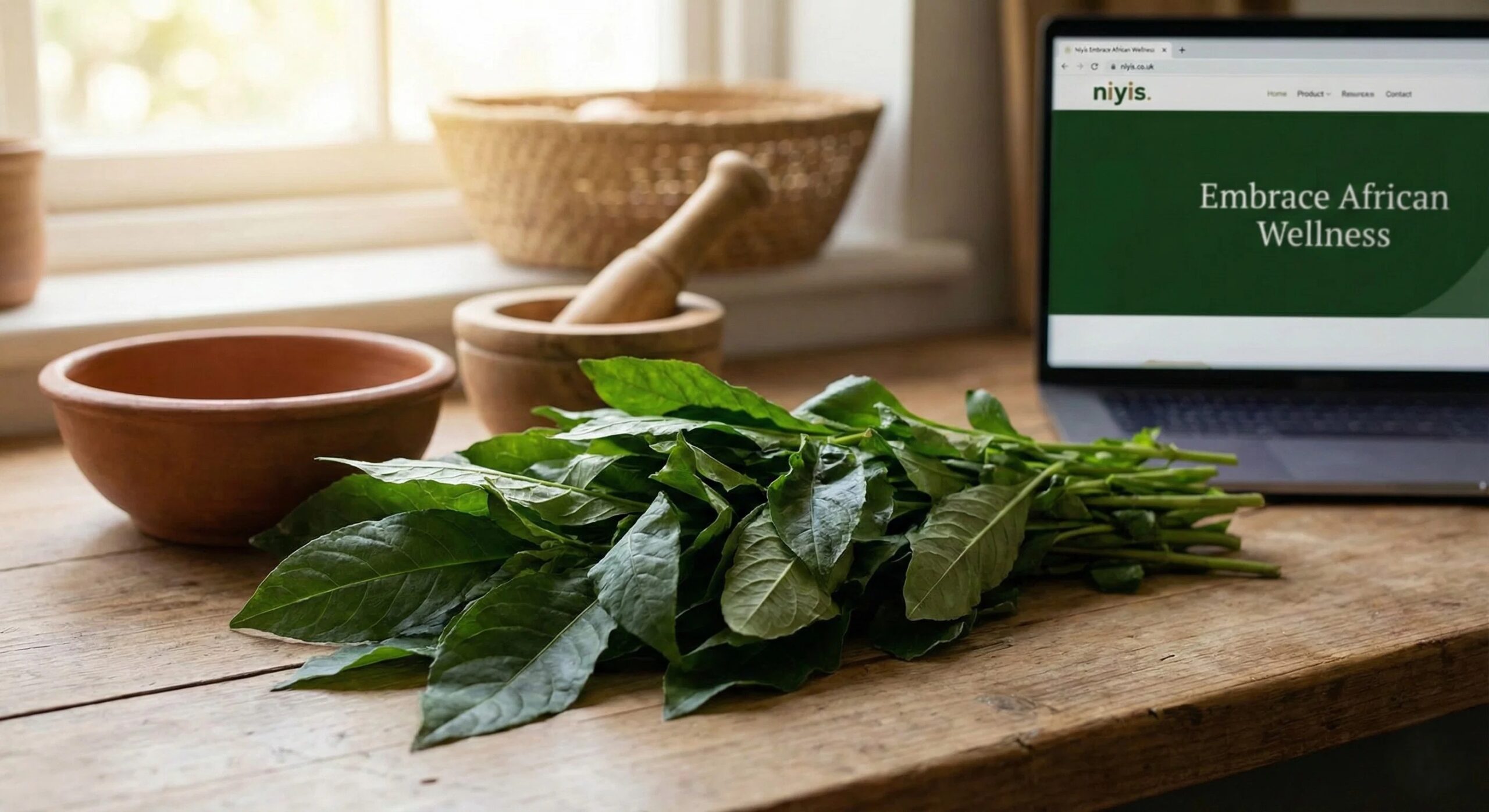
Bitter leaf water is a dark green, nutrient-rich herbal extract made by squeezing fresh Vernonia amygdalina leaves in water or boiling them. Widely used across West Africa, it is valued for lowering blood sugar, aiding digestion, supporting liver detoxification, and assisting with weight management.
The plant is widely used across West Africa and is valued in traditional practices for its perceived benefits in digestion, blood sugar management and general wellness.
According to Ndiokwelu, bitter leaf contains antioxidants and vitamins that may contribute to its reported health effects, including reducing inflammation and helping to maintain healthy cholesterol levels.
She noted that fresh bitter leaf has traditionally been used for various ailments, including fever and some skin conditions. Some people also consume the juice at night, believing it promotes relaxation and helps with sleep.
However, the nutritionist warned that the perceived benefits should not encourage indiscriminate consumption, particularly of highly concentrated preparations.
She explained that bitter leaf juice, especially when taken in concentrated form, could cause stomach upset and diarrhoea and may place additional stress on the liver and kidneys when consumed excessively over a prolonged period.
Ndiokwelu also warned that bitter leaf water could potentially lower blood sugar, making excessive consumption a concern for people taking diabetes medication.
“If bitter leaf itself has blood-glucose-lowering activity, combining large or concentrated quantities with diabetes medication could potentially produce an additive effect,” she cautioned.
She advised pregnant women to avoid consuming bitter leaf water as a medicinal preparation and urged people living with diabetes, hypertension or liver and kidney conditions to consult qualified medical practitioners or dietitians before taking it regularly.
The nutritionist also dismissed claims that bitter leaf water itself raises blood pressure, saying there was no evidence to support such a conclusion.
According to her, an increase in blood pressure could instead be associated with substances added to the preparation, such as salt, or possible interactions between herbal preparations and medications being taken by an individual.
She stressed that bitter leaf water should never be used as a replacement for prescribed medication, warning that combining herbal preparations indiscriminately with conventional drugs could create health complications.
Despite the warnings, some Nigerians interviewed about their use of bitter leaf water said they consume it regularly because of what they believe are its health benefits.
Mrs. Bassey Usoro, a pastor’s wife in Lagos, said she and her family take bitter leaf water regularly, describing it as a traditional remedy they have relied on for years.
Madam Tope also said she had used bitter leaf for years to support her blood sugar management. She stressed, however, that she continues to take her prescribed diabetes medication.
“I have used bitterleaf for years. It helps me manage my sugar level, but I still take my drugs,” she said.
Another person, Mrs. Asuquo, a cleaner living at Ikeja Army Barracks, also stated that a neighbour recommended bitter leaf water for her when she was having stomach pain. After taking it, she was able to pass out many things in her stool. From then onwards she has been taking bitter leaf water.
Favour, a male resident at Army Barracks, Ikeja stated that he gives bitter leaf water to his wife and three children weekly, first thing every Saturday morning. For this reason, they hardly fall sick. He recommended that every family should adopt taking bitter leaf water regularly.
On her part, Mary, a food vendor, said she chews the leaf from time to time, noting that this helps regulate her blood pressure and prevents other illnesses.
Other users reported consuming bitter leaf water for stomach discomfort, malaria prevention and general wellness. However, such personal experiences do not constitute scientific evidence that the preparation can prevent or cure diseases.
Bitter leaf is known by different names across Nigeria. It is called ewuro in Yoruba, onugbu in Igbo, etidot in Efik/Ibibio, oriwo in Edo and shuwaka or chusar-doki in Hausa.
Its most familiar use remains culinary, particularly in the preparation of ofe onugbu, a traditional vegetable soup. The leaves are usually washed repeatedly to reduce the characteristic bitter taste before cooking.
Traditional preparations from the leaves, roots and other parts of the plant have also been used for various ailments. Scientific studies have associated Vernonia amygdalina extracts with antioxidant, anti-inflammatory, antimicrobial and blood-glucose-lowering activities, although these findings do not establish bitter leaf water as a substitute for medical treatment.
With growing interest in herbal and plant-based products, pharmaceutical and nutraceutical companies have also explored ways of developing bitter leaf into standardised capsules and other formulations.
Ndiokwelu’s warning therefore highlights the need for Nigerians to distinguish between traditional use and scientifically established treatment, particularly when herbal preparations are consumed alongside prescription medicines.
The growing popularity of bitter leaf water raises a broader question: can one of Nigeria’s most familiar medicinal plants be developed into a properly standardised pharmaceutical or nutraceutical product while ensuring that its safety, dosage and effectiveness are scientifically established?